
In the Library
The Return of the Native
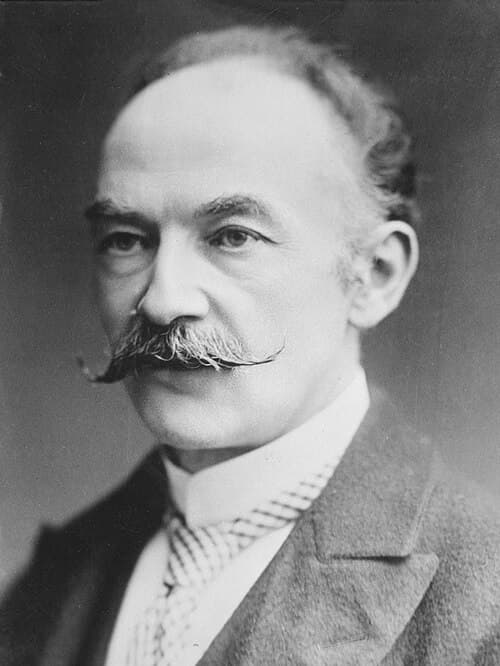
Thomas Hardy, 1878
- Form
- Form Novel
- Difficulty
- Difficulty Moderate
- Reading time
- Reading time 10 hours
- Chapters
- Chapters 49
- Length
- Length 141k words
£1.99
Read in the app, yours for good. Not yet by post.
The book unlocks on your account as soon as you buy it, so the 14-day right to cancel ends once it is unlocked.
Then Egdon was aroused to reciprocity; for the storm was its lover, and the wind its friend.
What buying means
- Yours for good, on every iPhone you sign in to.
- Read in the app’s own reader, with the original beside the translation where there is one.
- Downloaded, so it reads with no signal.
- The same price as in the app. Folio already opens every book on this shelf; buying keeps this one after Folio ends. A refund takes it back.
If you like this, try
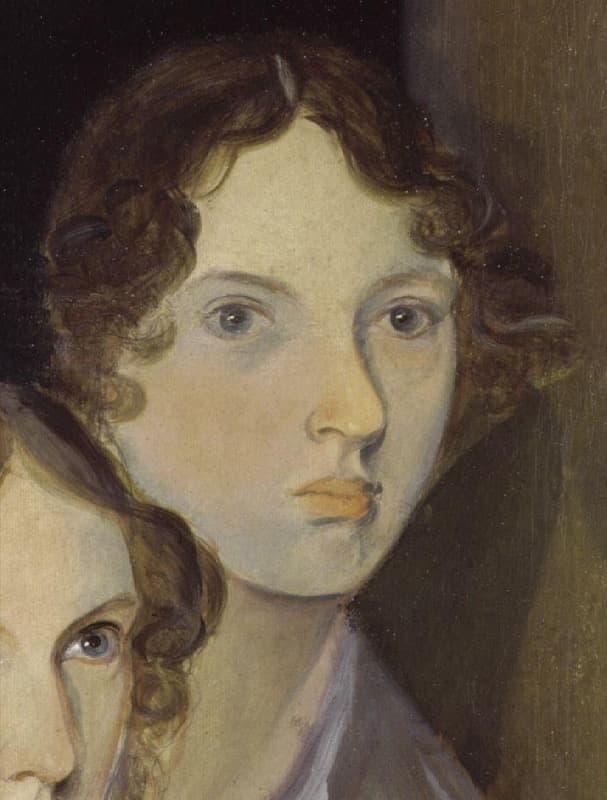
Wuthering Heights
Emily Brontë
Brontë does the same thing with a Yorkshire moor, letting the weather and the ground carry a passion far too large for the people standing on it.
£1.99
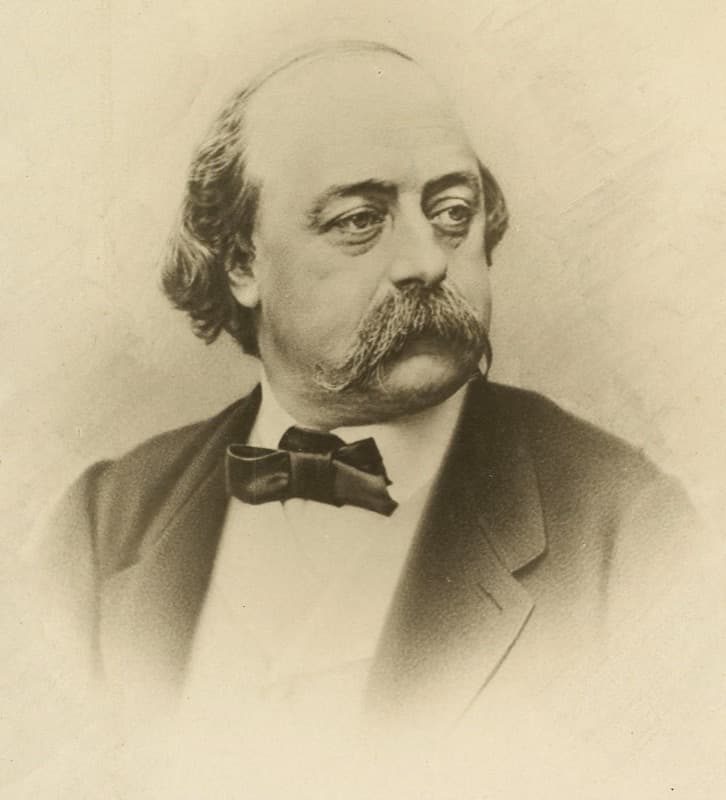
Madame Bovary
Gustave Flaubert
Flaubert strands the same woman in the same small place, dreaming of officers and esplanades, but he studies her coldly where Hardy grieves for her.
£1.99
Far from the Madding Crowd
Thomas Hardy
Hardy works this same Wessex ground with the pressure off, letting a woman choose badly among three men and still come out the other side.
£1.99
About the book
Read the first chapter and then try to put the book down. A Saturday afternoon in November is tipping over into dark, and Egdon Heath, all furze and old barrows and one white Roman road, begins to breathe. It had a lonely face, Hardy writes, suggesting tragical possibilities. Everyone who walks on it afterwards is smaller than it is. A girl with pagan eyes wants to be loved to madness and has been marooned in gorse and gossip instead; a man comes home from the diamond trade in Paris to teach the heath's children, wrecks his eyes with reading, and ends on his knees cutting furze while his marriage goes cold behind him. Hardy trusted that shape so completely that when serial publication forced a consoling marriage into his final book, he wrote it and then added a footnote disowning it, inviting readers with an austere artistic code to treat the bleaker version as the true one. The heath agrees with him.