
In the Library
The Road Into The Open
Arthur Schnitzler, 1908
- Form
- Form Novel
- Difficulty
- Difficulty Moderate
- Reading time
- Reading time 9.5 hours
- Translated by
- Translated by Horace Samuel (1913)
- Original
- Original de
- Chapters
- Chapters 9
- Length
- Length 134k words
£1.99
Read in the app, yours for good. Not yet by post.
The book unlocks on your account as soon as you buy it, so the 14-day right to cancel ends once it is unlocked.
George von Wergenthin sat at table quite alone to-day.
What buying means
- Yours for good, on every iPhone you sign in to.
- Read in the app’s own reader, with the original beside the translation where there is one.
- Downloaded, so it reads with no signal.
- The same price as in the app. Folio already opens every book on this shelf; buying keeps this one after Folio ends. A refund takes it back.
If you like this, try
The Confusions of Young Törless
Robert Musil
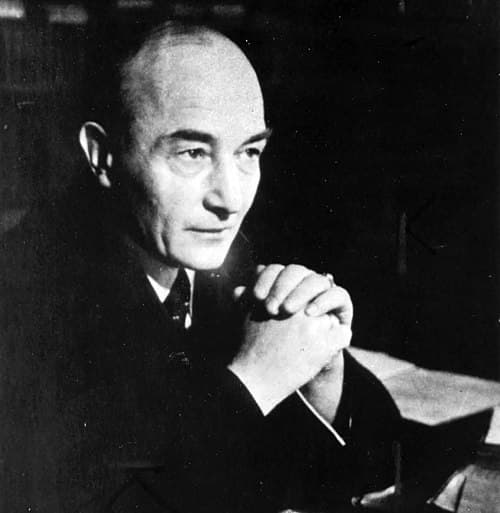
The Confusions of Young Törless does the same thing, but shrinks Schnitzler's whole imperilled Vienna into one Austrian cadet school where a boy first learns how doubt and cruelty operate.
£1.99
Confessions of Zeno
Italo Svevo
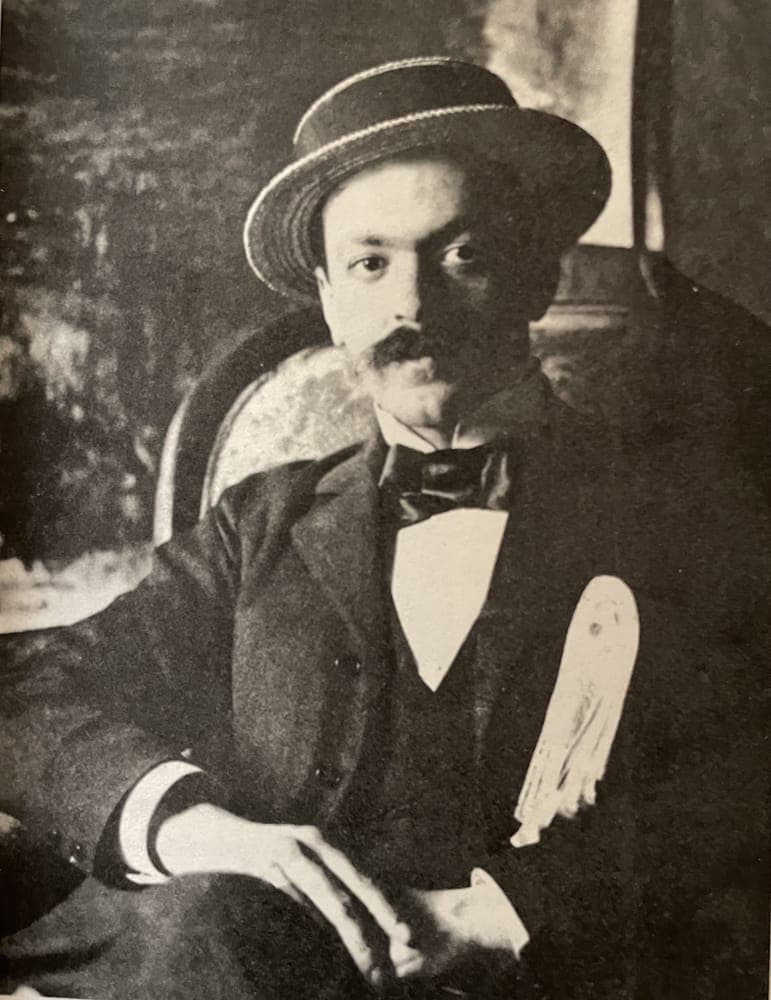
Confessions of Zeno does the same thing, but turns the self-scrutiny inward until an Italian merchant's endless self-diagnosis becomes the whole engine of the novel.
£1.99
About the book
Vienna at the turn of the century: salons and coffee houses, the Prater's green alleys, a city that fills its concert halls and consulting rooms with brilliant Jewish men and, in the same breath, lets them know they will never quite belong. Georg von Wergenthin, an aristocrat and a gifted composer who never quite composes, drifts into love with Anna, a girl from a lower drawer of the middle class, and drifts, just as gently, back out. Around this tender, dawdling affair, Schnitzler builds the most searching portrait fiction has given us of Jewish Vienna arguing with itself: the Zionist, the assimilationist, the convert, the writer who insists he belongs nowhere and everywhere, each hunting for a road into the open that the city keeps quietly closing. The title is a promise no one collects. What gives the book its ache is Schnitzler's refusal to resolve anything: his people simply fail to become free, and go on charming one another regardless.