

In the Library
The Shahnameh
Ferdowsi, 1883
- Form
- Form Poem
- Difficulty
- Difficulty Demanding
- Reading time
- Reading time 6.5 hours
- Translated by
- Translated by Helen Zimmern (1883)
- Chapters
- Chapters 18
- Length
- Length 87k words
£1.99
Read in the app, yours for good. Not yet by post.
The book unlocks on your account as soon as you buy it, so the 14-day right to cancel ends once it is unlocked.
I suffered during these thirty years, but I have revived Iran with the Persian language.
What buying means
- Yours for good, on every iPhone you sign in to.
- Read in the app’s own reader, with the original beside the translation where there is one.
- Downloaded, so it reads with no signal.
- The same price as in the app. Folio already opens every book on this shelf; buying keeps this one after Folio ends. A refund takes it back.
The reading guide, in the app
How to Read The Shahnameh
Sixty thousand couplets about the kings and heroes of ancient Persia sound like homework, but Ferdowsi's poem is a family saga at its heart, and the stories of Rostam and his son Sohrab, and of Siyavash the innocent, are as emotionally direct as anything in world literature.
The scale is genuinely imposing: the Shahnameh, "The Book of Kings," covers the mythological and legendary history of Iran from the creation of the world to the Arab conquest of the seventh century CE, across fifty kings and hundreds of episodes and something like the longest epic poem in any literature. The length makes it sound like a duty rather than a pleasure, and most Western readers approach it, if they approach it at all, as a monument to be inspected rather than a story to be inhabited. That approach misses what the poem is actually like to read, which is that Ferdowsi is a storyteller of great economy and power, that the individual episodes move quickly, and that the emotional register of the best sections, grief, pride, the specific agony of fathers and sons on opposite sides of a battle, is direct enough to feel immediate across a thousand years.
If you like this, try
Mahabharata
Vyasa
India's great national epic matches Ferdowsi's in scope and grandeur: the same divine heroes, the same cosmic battles, the same civilisation on the page.
£1.99
The Iliad
Homer
Homer's war epic is the Western mirror: the same aristeia, the same laments, the same beautiful doomed warriors.
£1.99
The Aeneid
Virgil
Virgil builds the same national epic for Rome that Ferdowsi builds for Persia, and both poets write their people into eternity.
£1.99
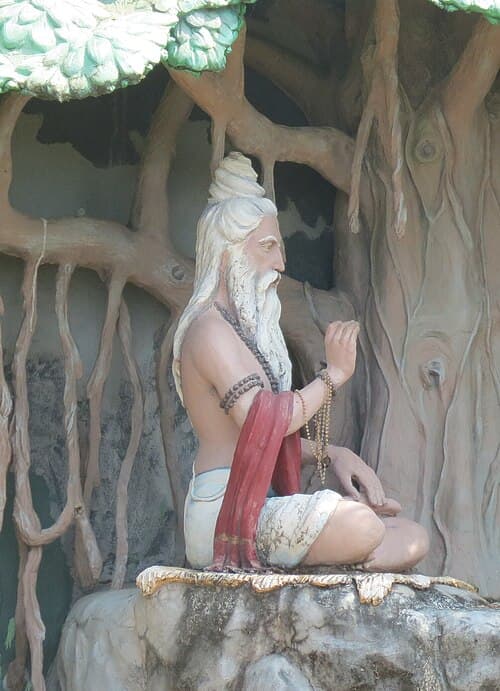
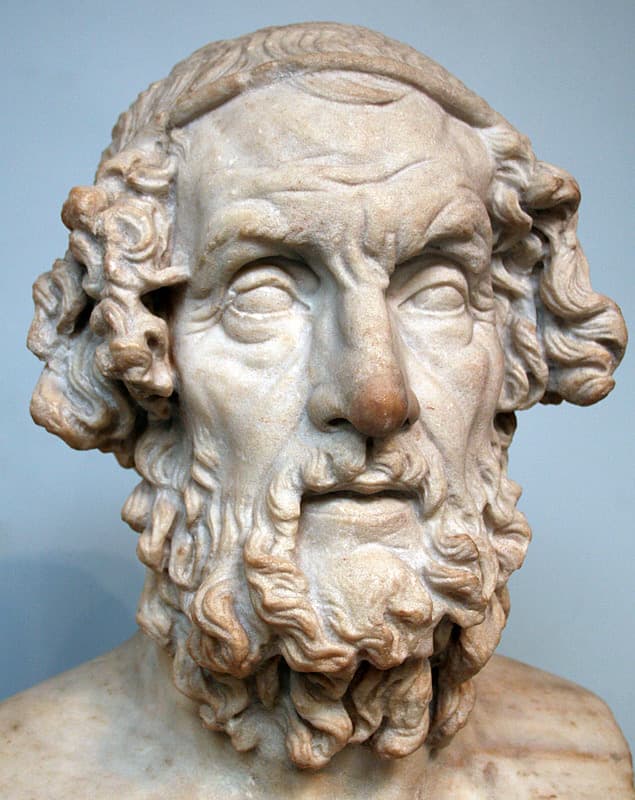
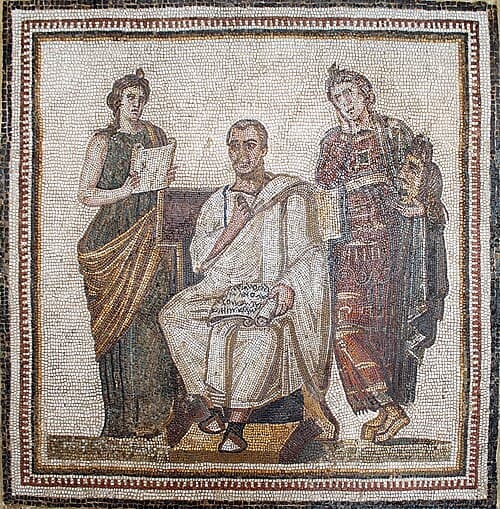
About the book
For thirty years Ferdowsi wrote in a Persian he scoured clean of the Arabic that had arrived with conquest, raising a poem the size of a library to house a civilization that had already vanished. The Shahnameh runs from the world's first king to the fall of the last, generation upon generation of kings and heroes, and it has served ever since as the memory Iran keeps of itself. Its great engine is a terrible symmetry: the mightiest are undone not by enemies but from within, the ruin always cut to the exact measure of the gift. Nowhere does this land harder than when Rostam, the unbeaten champion of the age, fights a young warrior who has crossed a continent to find the father he never knew, and learns whose blood is on his hands only as the boy dies. Because the empire it exalts was ash when Ferdowsi began, every blaze of glory arrives already shadowed by its end. The poem mourns the very thing it sings.