
In the Library
Mahabharata
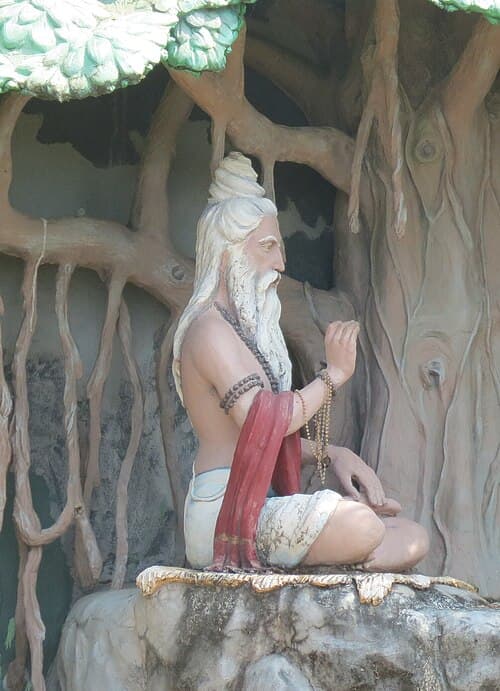
Vyasa, 400 BCE
- Form
- Form Collection
- Difficulty
- Difficulty Demanding
- Reading time
- Reading time 3.5 hours
- Translated by
- Translated by Romesh C. Dutt (1899)
- Chapters
- Chapters 13
- Length
- Length 45k words
£1.99
Read in the app, yours for good. Not yet by post.
The book unlocks on your account as soon as you buy it, so the 14-day right to cancel ends once it is unlocked.
What is found here may be found elsewhere. What is not found here will not be found elsewhere.
What buying means
- Yours for good, on every iPhone you sign in to.
- Read in the app’s own reader, with the original beside the translation where there is one.
- Downloaded, so it reads with no signal.
- The same price as in the app. Folio already opens every book on this shelf; buying keeps this one after Folio ends. A refund takes it back.
The reading guide, in the app
How to Read Mahabharata
The reputation is that this is the longest and most forbidding book ever written, and the honest truth is that almost nobody should read the whole thing, which is the most freeing piece of advice anyone can give you about it.
The Mahabharata arrives with a reputation for being unreadable, a sacred mountain of a poem so vast and so tangled with genealogies and gods and nested stories inside stories that opening it at all feels like a kind of trespass. The size is genuinely real and the tangle is genuinely there, but the conclusion most people draw from them is exactly wrong. You are not meant to climb the whole mountain on your first visit, and the single most useful thing anyone can tell you is to put the complete translation down, keep it on the shelf as the reference work it really is, and come in instead through one of the fine one-volume retellings that exist precisely to give you the story without the avalanche.
If you like this, try
The Iliad
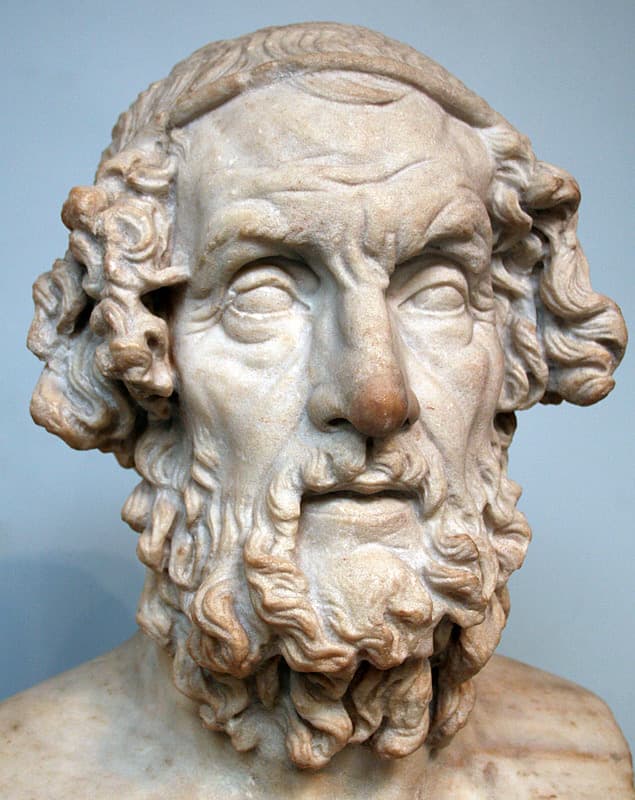
Homer
Homer's war is the Western Mahabharata: the same divine interventions, the same doomed heroes, the same question of duty on the battlefield.
£1.99
War and Peace
Leo Tolstoy
Tolstoy builds the same epic of families at war, and Arjuna's crisis of conscience on the battlefield is Prince Andrei's at Austerlitz.
£1.99
The Shahnameh
Ferdowsi
Ferdowsi builds the same national epic of heroes, dynasties, and cosmic struggle, but for Persia instead of India.
£1.99


About the book
Two vast armies face each other across the plain of Kurukshetra, cousin against cousin, and the finest archer alive lets his bow slip from his hand: the men he has been brought here to kill are his uncles, his teachers, the boys he grew up beside. Into that paralysis his charioteer leans close and begins to speak, and the charioteer is God. The Bhagavad Gita is only one current in the largest river of story ever told, a poem that swallows a dice game in which a king gambles away his kingdom, his brothers, and his wife; a thirteen-year exile; a war that ends with the earth emptied of its young men. It says of itself that whatever is found here may be found elsewhere, but what is not here exists nowhere, and after living inside it you believe the boast. It is the whole of human wanting, and the terrible bill that wanting comes to.