
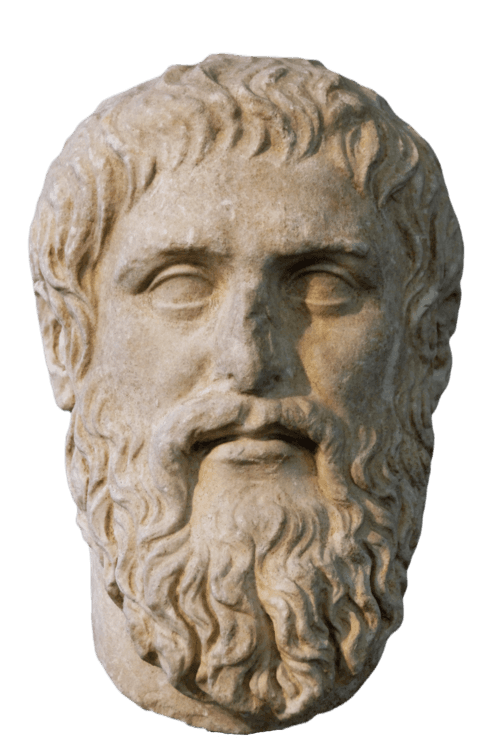
In the Library
The Symposium
Plato, 1871
- Form
- Form Philosophy
- Difficulty
- Difficulty Moderate
- Reading time
- Reading time 1.5 hours
- Translated by
- Translated by Benjamin Jowett
- Original
- Original grc
- Chapters
- Chapters 1
- Length
- Length 22k words
£1.99
Read in the app, yours for good. Not yet by post.
The book unlocks on your account as soon as you buy it, so the 14-day right to cancel ends once it is unlocked.
the desire and pursuit of the whole is called love
What buying means
- Yours for good, on every iPhone you sign in to.
- Read in the app’s own reader, with the original beside the translation where there is one.
- Downloaded, so it reads with no signal.
- The same price as in the app. Folio already opens every book on this shelf; buying keeps this one after Folio ends. A refund takes it back.
If you like this, try
The Apology
Plato
Plato's other great Socratic dialogue: the same man who defines love here defines courage there, and both end with a kind of death.
£1.99
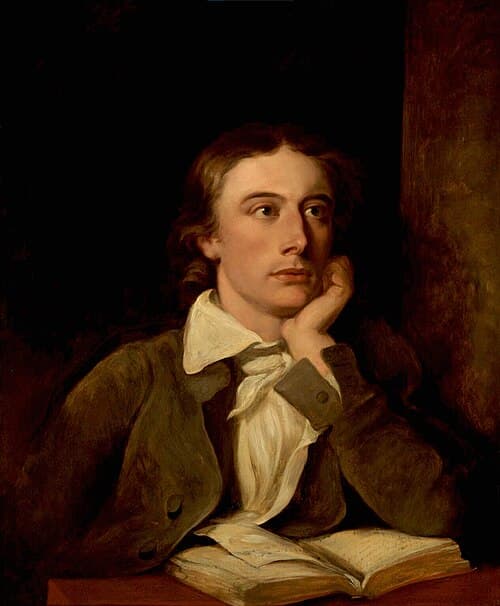
Ode to a Nightingale
John Keats
Keats reaches for the same transcendent beauty the symposium guests describe, and the nightingale is Diotima's ladder made song.
£1.99
Orlando
Virginia Woolf
Woolf plays with the same fluidity of desire that Aristophanes describes, and the centuries are as liquid as gender.
£1.99

About the book
Once, Aristophanes says, we were not single but double, round creatures with four arms and four legs, so strong the gods grew afraid and split us in two, and ever since each half has wandered the earth aching for the other. That is one speech at one drinking party in Athens, where the wine goes round and the guests agree to take turns praising Love. The speeches rise and contradict each other until Socrates repeats what a priestess once taught him: that desire is not having but wanting, that we love only what we lack, and that this same hunger, followed up its long ladder, can carry a soul from one beautiful body to the sheer idea of beauty. Then Alcibiades reels in drunk and garlanded with violets, and confesses he loved Socrates and could not have him. The Symposium is where the West first tried to say what longing is for, and it has never said it better.