
In the Library
The Apology
Plato, 399 BCE
- Form
- Form Philosophy
- Difficulty
- Difficulty Accessible
- Reading time
- Reading time 50 minutes
- Translated by
- Translated by Benjamin Jowett (1871)
- Original
- Original grc
- Chapters
- Chapters 1
- Length
- Length 11k words
£1.99
Read in the app, yours for good. Not yet by post.
The book unlocks on your account as soon as you buy it, so the 14-day right to cancel ends once it is unlocked.
The unexamined life is not worth living.
What buying means
- Yours for good, on every iPhone you sign in to.
- Read in the app’s own reader, with the original beside the translation where there is one.
- Downloaded, so it reads with no signal.
- The same price as in the app. Folio already opens every book on this shelf; buying keeps this one after Folio ends. A refund takes it back.
If you like this, try
The Symposium
Plato
Plato's other great dramatic dialogue: the same Socrates, but trading the courtroom for a dinner party and death for love.
£1.99
Antigone
Sophocles
Sophocles stages the same confrontation: one person standing alone against the state's definition of justice.
£1.99
The Consolation of Philosophy
Boethius
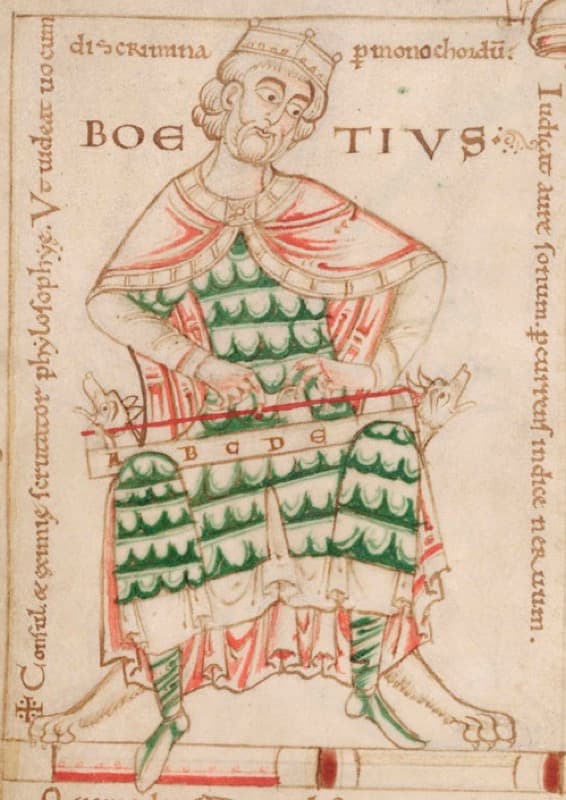
Boethius wrote it in a cell awaiting execution, another philosopher condemned by the state who meets his death with argument and no pleading.
£1.99

About the book
Invited to name his own punishment after the verdict, Socrates proposes that the city should reward him instead, with free meals at public expense, the honor reserved for Olympic champions. This is a man on trial for his life, and he refuses to pretend he fears losing it. Plato's The Apology records the defense Socrates gave before five hundred Athenian jurors on charges of impiety and corrupting the young; "apologia" means defense, not contrition, and he apologizes for nothing. He calls himself a gadfly the god has fastened to the sluggish flank of Athens, stinging the great drowsy creature awake, and claims he is wise only in knowing how little he knows. Offered silence or exile, he answers that the unexamined life is not worth living, and takes the hemlock rather than become any other kind of man. Read it and you see why no argument since has had to prove itself at quite this price.