
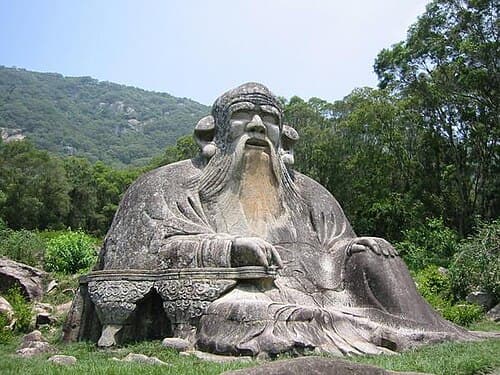
In the Library
The Tao Te Ching
Laozi, 1891
- Form
- Form Philosophy
- Difficulty
- Difficulty Moderate
- Reading time
- Reading time 45 minutes
- Translated by
- Translated by James Legge
- Chapters
- Chapters 81
- Length
- Length 10k words
£1.99
Read in the app, yours for good. Not yet by post.
The book unlocks on your account as soon as you buy it, so the 14-day right to cancel ends once it is unlocked.
The Tao that can be trodden is not the enduring and unchanging Tao.
What buying means
- Yours for good, on every iPhone you sign in to.
- Read in the app’s own reader, with the original beside the translation where there is one.
- Downloaded, so it reads with no signal.
- The same price as in the app. Folio already opens every book on this shelf; buying keeps this one after Folio ends. A refund takes it back.
If you like this, try
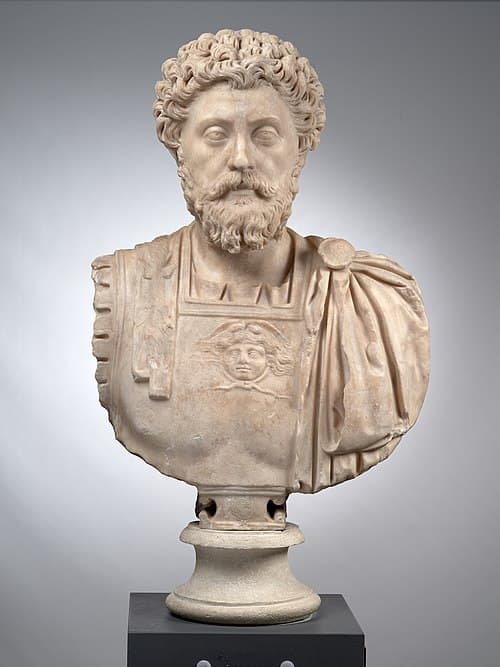
Meditations
Marcus Aurelius
Marcus Aurelius arrives at the same stillness from the Stoic tradition, and both texts can be read in an afternoon and studied for a lifetime.
£1.99
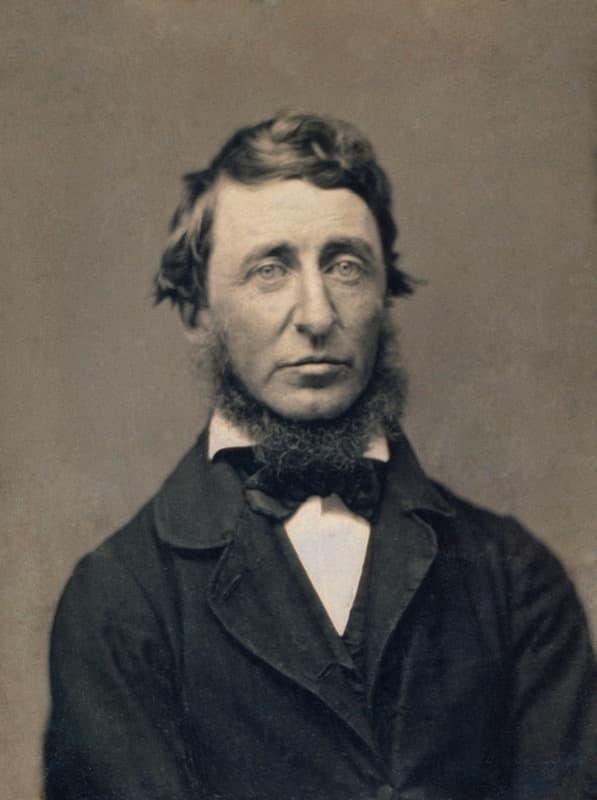
Walden
Henry David Thoreau
Thoreau practises the simplicity Laozi preaches, and the pond is a Western version of the uncarved block.
£1.99
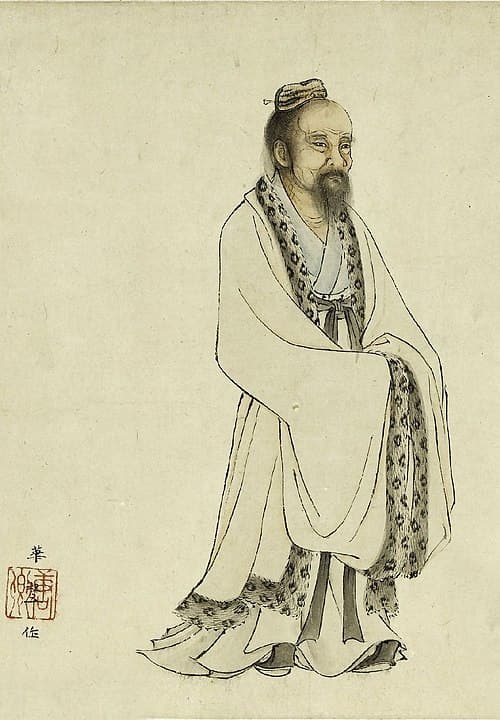
Zhuangzi
Zhuang Zhou
Zhuang Zhou takes Laozi's paradoxes and fills them with butterflies, fish, and laughter.
£1.99
About the book
The book opens by warning you off itself. The Way that can be spoken is not the eternal Way, the name that can be named not the eternal name. From that single refusal Laozi builds 81 short verses that keep circling a thing they admit language cannot hold, the Tao, the current running under everything that is. He never argues so much as shows. A wheel is useful for the empty hole at its hub, a cup for the hollow it cups, a room for the space the walls leave alone; water, the softest thing there is, wears the hardest stone away by yielding rather than striving. The Classical Chinese is so spare that each line can be turned a dozen ways, and read slowly the paradoxes stop sounding like riddles and start sounding like the truest account of how things actually move. Nothing in it raises its voice, and that is the point: it persuades the way water does, by going low and outlasting everything harder. Few books ask so little of you and rearrange so much.