
In the Library
The Waste Land
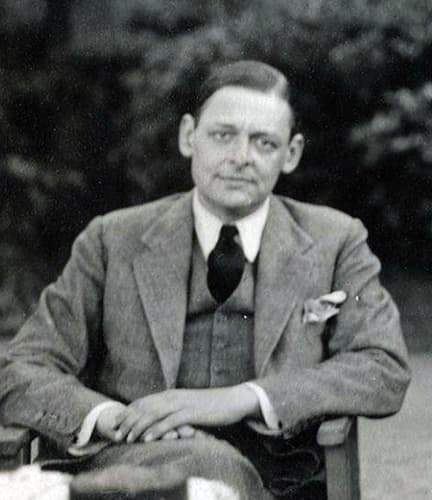
T.S. Eliot, 1922
- Form
- Form Poem
- Difficulty
- Difficulty Demanding
- Reading time
- Reading time 20 minutes
- Chapters
- Chapters 6
- Length
- Length 5k words
£1.99
Read in the app, yours for good. Not yet by post.
The book unlocks on your account as soon as you buy it, so the 14-day right to cancel ends once it is unlocked.
In the public domain in the United States only: this edition is sold and read there and nowhere else.
April is the cruellest month, breeding Lilacs out of the dead land, mixing Memory and desire, stirring Dull roots with spring rain.
What buying means
- Yours for good, on every iPhone you sign in to.
- Read in the app’s own reader, with the original beside the translation where there is one.
- Downloaded, so it reads with no signal.
- The same price as in the app. Folio already opens every book on this shelf; buying keeps this one after Folio ends. A refund takes it back.
The reading guide, in the app
How to Read The Waste Land
A poem with a reputation for needing a footnote in one hand and a dictionary in the other, which turns out, when you stop trying to solve it and start listening to it, to be one of the most hauntingly beautiful things in the language.
The reputation reaches you first, and it tells you that The Waste Land is a locked box, a poem you cannot get into without a degree in classics, several dead languages, and the patience to chase down every reference Eliot buried in it. That reputation has scared off more readers than the poem itself ever could, and it gets the most important thing exactly backwards. The poem was not built to be decoded line by line like a cryptic crossword. It was built to be heard, and a great deal of what feels impossible on the silent page becomes plain, strange, and moving the moment you read it aloud and let the sound carry you.
About the book
Everyone else calls April the kindest month; Eliot calls it the cruellest, because spring drags the half-dead back into wanting, stirring dull roots that would rather sleep. From there the poem fans out into a city of voices that never quite meet: a clairvoyante laying out her wicked pack of cards, a typist and her indifferent lover, women murmuring in a London pub at closing time, the Thames-daughters singing from a river that no longer carries anything holy. Nothing binds them but their nearness, and that is the terror and beauty of it: a whole civilization handed to you in overheard scraps, church bells fading into a snatch of song, the Grail legend crumbled to a handful of dust. It should not cohere, and it doesn't, and somehow it became the truest thing the century said about itself. At the end, in a parched land still praying for rain, the thunder speaks in a borrowed tongue and a voice gathers what is left, these fragments I have shored against my ruins, and holds them out to you like broken bread.