
In the Library
The Way of All Flesh
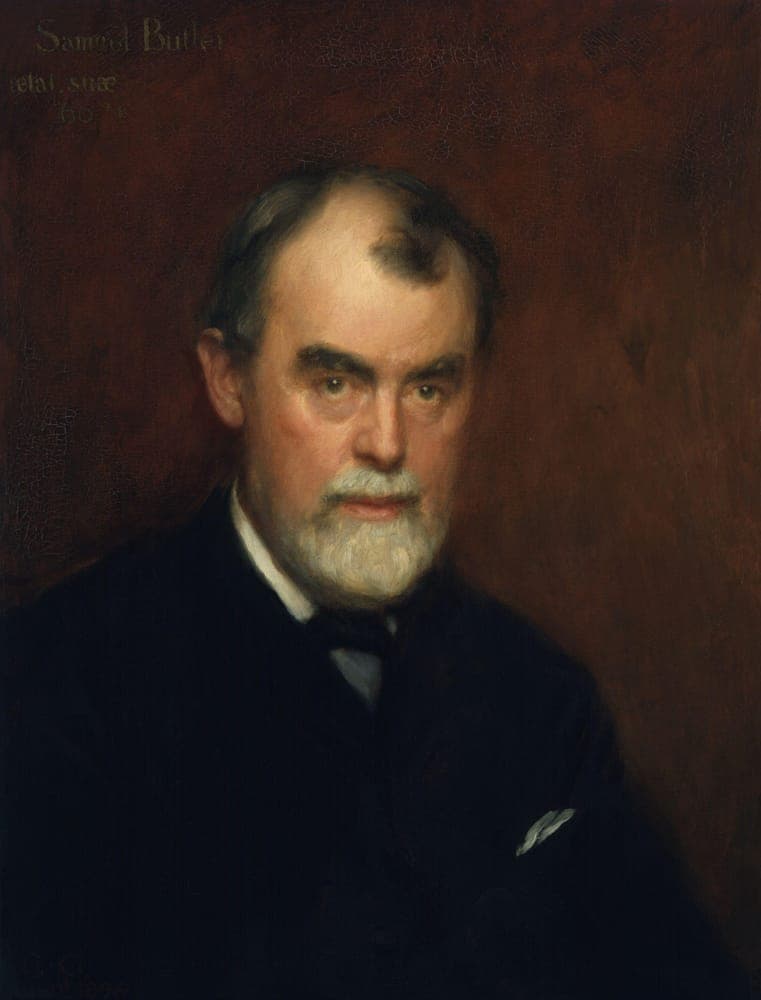
Samuel Butler, 1903
- Form
- Form Novel
- Difficulty
- Difficulty Moderate
- Reading time
- Reading time 12 hours
- Chapters
- Chapters 86
- Length
- Length 162k words
£1.99
Read in the app, yours for good. Not yet by post.
The book unlocks on your account as soon as you buy it, so the 14-day right to cancel ends once it is unlocked.
All animals, except man, know that the principal business of life is to enjoy it.
What buying means
- Yours for good, on every iPhone you sign in to.
- Read in the app’s own reader, with the original beside the translation where there is one.
- Downloaded, so it reads with no signal.
- The same price as in the app. Folio already opens every book on this shelf; buying keeps this one after Folio ends. A refund takes it back.
If you like this, try
Of Human Bondage
W. Somerset Maugham
Of Human Bondage does the same thing, but the tyrant is a clergyman uncle and the escape runs through medicine, art and one ruinous love affair.
£1.99
A Portrait of the Artist as a Young Man
James Joyce
Portrait does the same thing, but Joyce writes the escape from father, church and country from inside the young man's head rather than from a friend's armchair.
£1.99
Sons and Lovers
D.H. Lawrence
Sons and Lovers does the same thing, but the parent whose love does the damage is the mother, and Lawrence writes it with more tenderness than anger.
£1.99


About the book
For getting one word wrong, "come" mangled into "tum," a small boy is caned before evening prayers are even finished. Samuel Butler would not let this novel be printed while he lived, because it says what his century refused to say aloud: that a father's cruelty, wrapped in duty and the fear of God, is handed down a family like a bad name. Ernest Pontifex gets his from Theobald, who got his from George, and the whole machinery of Victorian piety, of catechisms and canings and Sunday faces, exists mainly to keep the transaction quiet. Butler watches it happen to Ernest in patient, pitiless detail, through disgrace, prison, a marriage that nearly finishes him, until Ernest does the one thing no Pontifex before him managed: he hands his own children to a bargeman and his wife to raise, choosing plainness over gentility, so the poison stops with him. The title is the old phrase for death, the road every mortal body walks. This is the rare, exhilarating book about the man who found another road.