
In the Library
Under the Greenwood Tree
Thomas Hardy, 1872
- Form
- Form Novel
- Difficulty
- Difficulty Accessible
- Reading time
- Reading time 4 hours
- Chapters
- Chapters 31
- Length
- Length 57k words
£1.99
Read in the app, yours for good. Not yet by post.
The book unlocks on your account as soon as you buy it, so the 14-day right to cancel ends once it is unlocked.
To dwellers in a wood almost every species of tree has its voice as well as its feature.
What buying means
- Yours for good, on every iPhone you sign in to.
- Read in the app’s own reader, with the original beside the translation where there is one.
- Downloaded, so it reads with no signal.
- The same price as in the app. Folio already opens every book on this shelf; buying keeps this one after Folio ends. A refund takes it back.
If you like this, try
Adam Bede
George Eliot
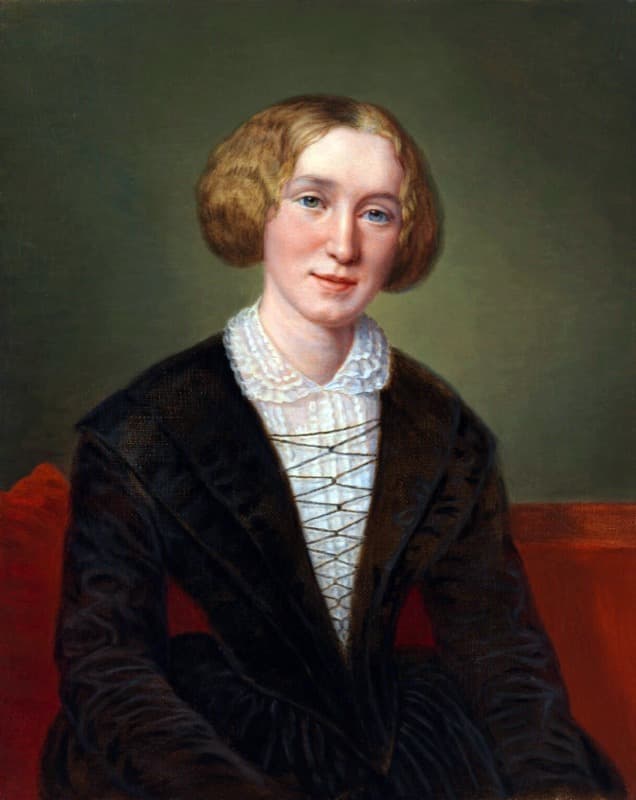
Eliot's Hayslope opens on a carpenter's workshop and a sermon on the village green, the same lovingly observed country parish as Hardy's Mellstock.
£1.99
Far from the Madding Crowd
Thomas Hardy
Hardy keeps the same Wessex sunlight two years later, but this time the courtship carries a sword, a lost flock, and consequences that stick.
£1.99
Elegy Written in a Country Churchyard
Thomas Gray
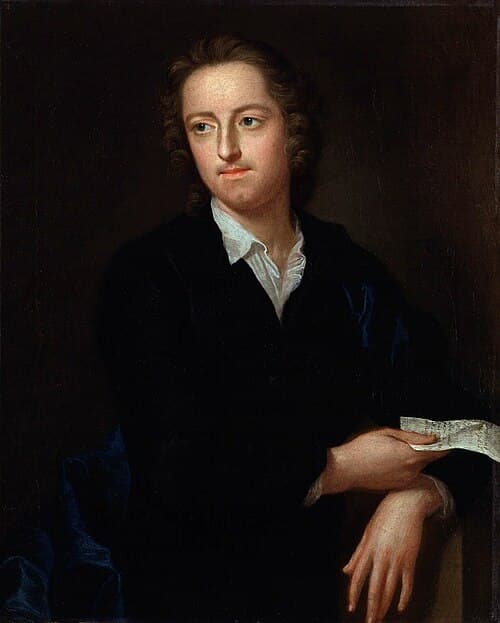
Hardy took the title of Far from the Madding Crowd from Gray's Elegy, whose churchyard keeps the same tender regard for village lives no history records.
£1.99
About the book
It is Christmas Eve, and the Mellstock parish choir is walking a Dorset lane with fiddles under their coats and wisps of hay wound round their ankles to keep the snow out of their boots. They stop at dark cottage windows and sing, as they do every Christmas, and go home to cider. They are near enough the last string band left in the county, and a cabinet organ is already standing in the vicar's study, waiting for them. Nobody in this book is cruel. The vicar is decent, the young schoolmistress who will play that organ is charming, the old music goes anyway, and that turns out to be a stranger sorrow than anything Hardy wrote afterwards. Around it he wraps the happiest courtship of his career, a carrier's son who cannot stop looking at a mended boot the shoemaker has set on the table between the cider-mug and the candle, and lets it end in a wedding. Then the last sentence quietly takes something back.