
In the Library
Vanity Fair
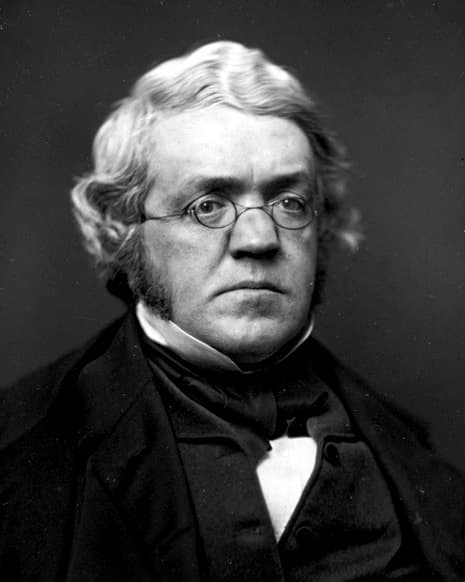
William Makepeace Thackeray, 1848
- Form
- Form Novel
- Difficulty
- Difficulty Moderate
- Reading time
- Reading time 22 hours
- Chapters
- Chapters 68
- Length
- Length 301k words
£1.99
Read in the app, yours for good. Not yet by post.
The book unlocks on your account as soon as you buy it, so the 14-day right to cancel ends once it is unlocked.
Which of us is happy in this world? Which of us has his desire? or, having it, is satisfied?
What buying means
- Yours for good, on every iPhone you sign in to.
- Read in the app’s own reader, with the original beside the translation where there is one.
- Downloaded, so it reads with no signal.
- The same price as in the app. Folio already opens every book on this shelf; buying keeps this one after Folio ends. A refund takes it back.
If you like this, try
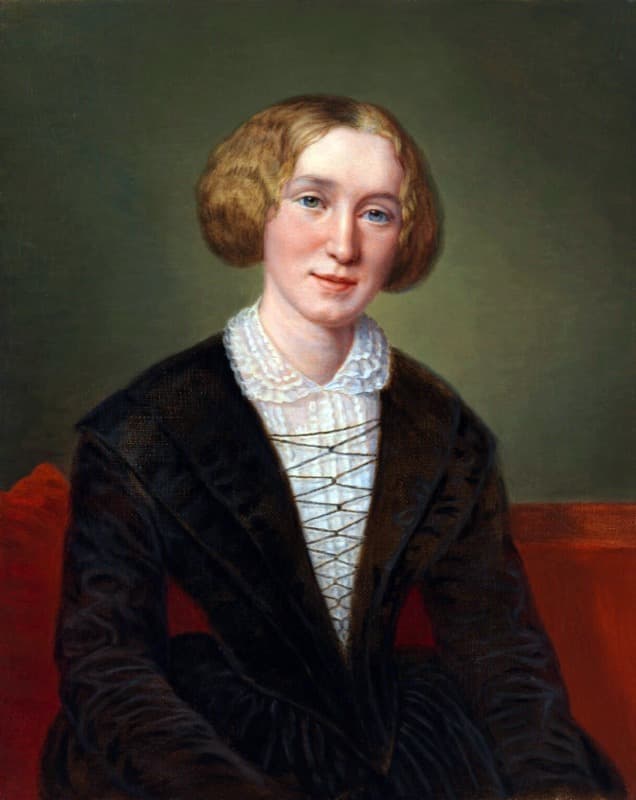
Middlemarch
George Eliot
Eliot takes Thackeray's panoramic ambition and gives it a moral seriousness that makes Becky Sharp look like a holiday.
£1.99
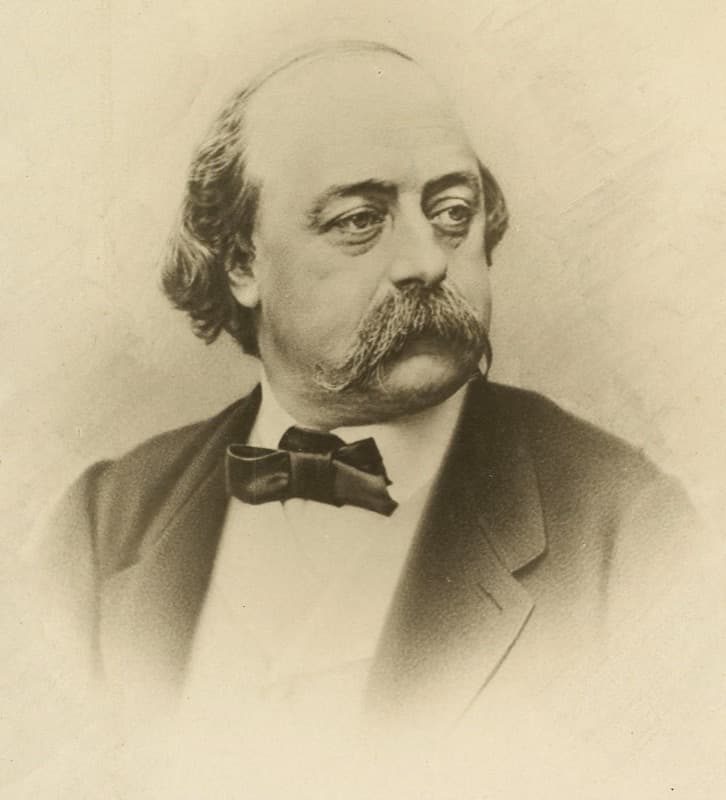
Madame Bovary
Gustave Flaubert
Flaubert strips Thackeray's social comedy to a single woman's delusions, and the satire becomes a tragedy.
£1.99
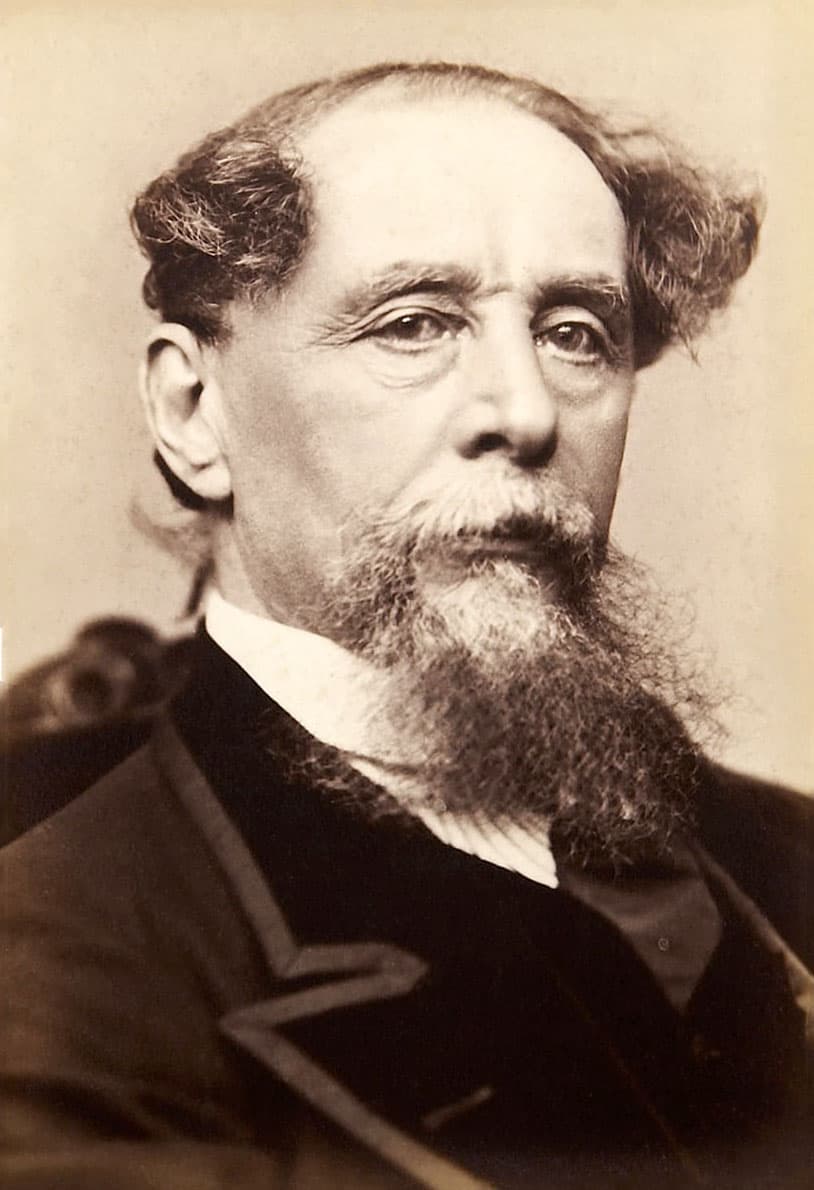
Bleak House
Charles Dickens
Dickens surveys the same society with the same scope, but his fog is institutional where Thackeray's is moral.
£1.99
About the book
The carriage pulls away from the academy and Becky Sharp, penniless and twenty and finished with being grateful, hurls the schoolmistress's parting gift, a dictionary, back into the dust. So begins the most thrilling climb in English fiction: a governess with no fortune and an absolute genius for charm, working her way into drawing rooms that would never have her, fooling everyone, owing everyone, afraid of no one. Thackeray called it a novel without a hero, and he meant it as a confession. His real subject is the whole vain market of ambition, where Waterloo is fought offstage while London frets about its gowns, where nearly everyone is for sale and most are glad of it. Becky is monstrous and you will adore her, which is precisely the trap, and the book never lets you feel clean about it. Its last words leave the carnival hanging on a question: which of us has his desire, or, having it, is satisfied?