
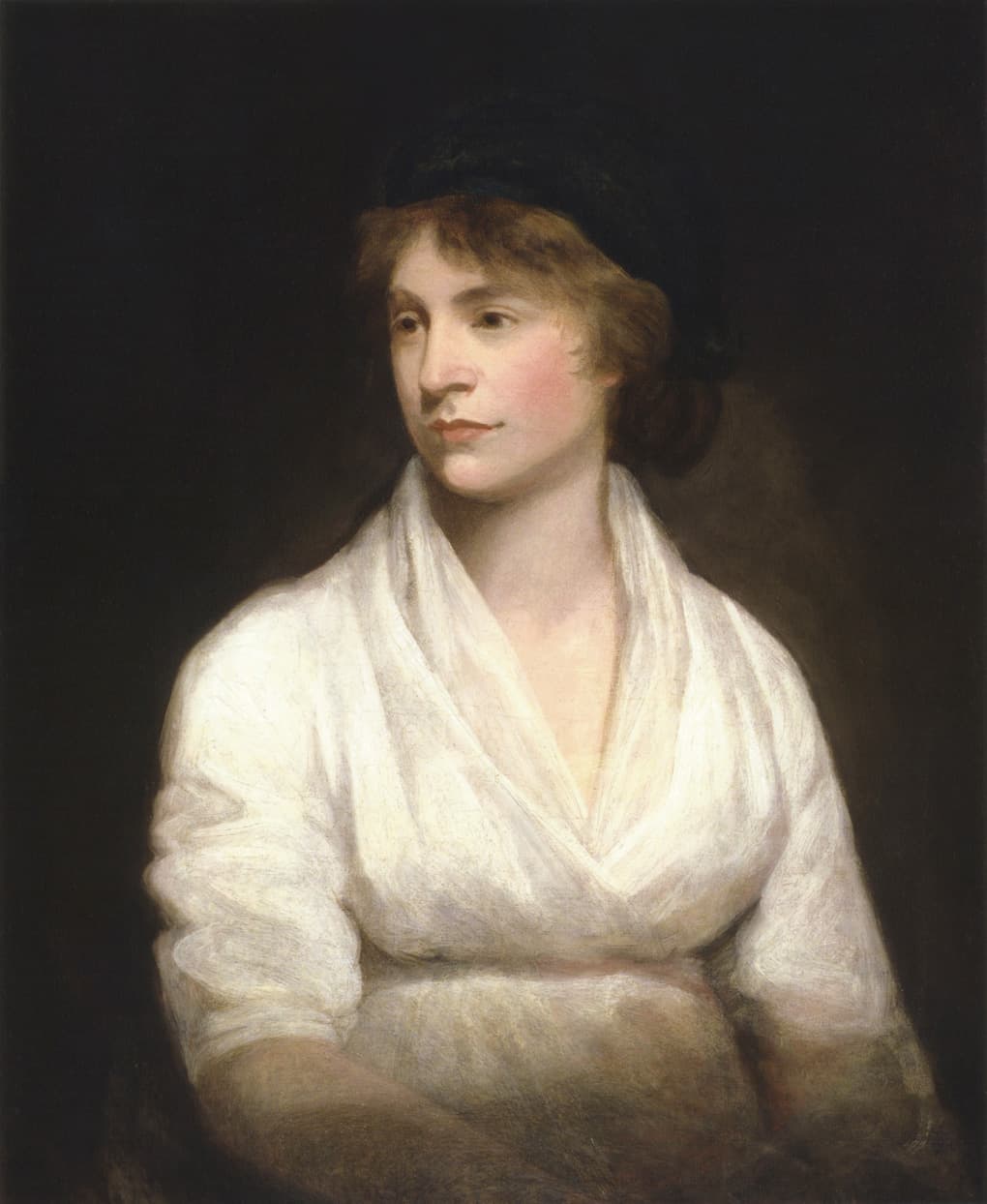
In the Library
A Vindication of the Rights of Woman
Mary Wollstonecraft, 1792
- Form
- Form Philosophy
- Difficulty
- Difficulty Moderate
- Reading time
- Reading time 6 hours
- Chapters
- Chapters 15
- Length
- Length 84k words
£1.99
Read in the app, yours for good. Not yet by post.
The book unlocks on your account as soon as you buy it, so the 14-day right to cancel ends once it is unlocked.
I do not wish them to have power over men; but over themselves.
What buying means
- Yours for good, on every iPhone you sign in to.
- Read in the app’s own reader, with the original beside the translation where there is one.
- Downloaded, so it reads with no signal.
- The same price as in the app. Folio already opens every book on this shelf; buying keeps this one after Folio ends. A refund takes it back.
If you like this, try
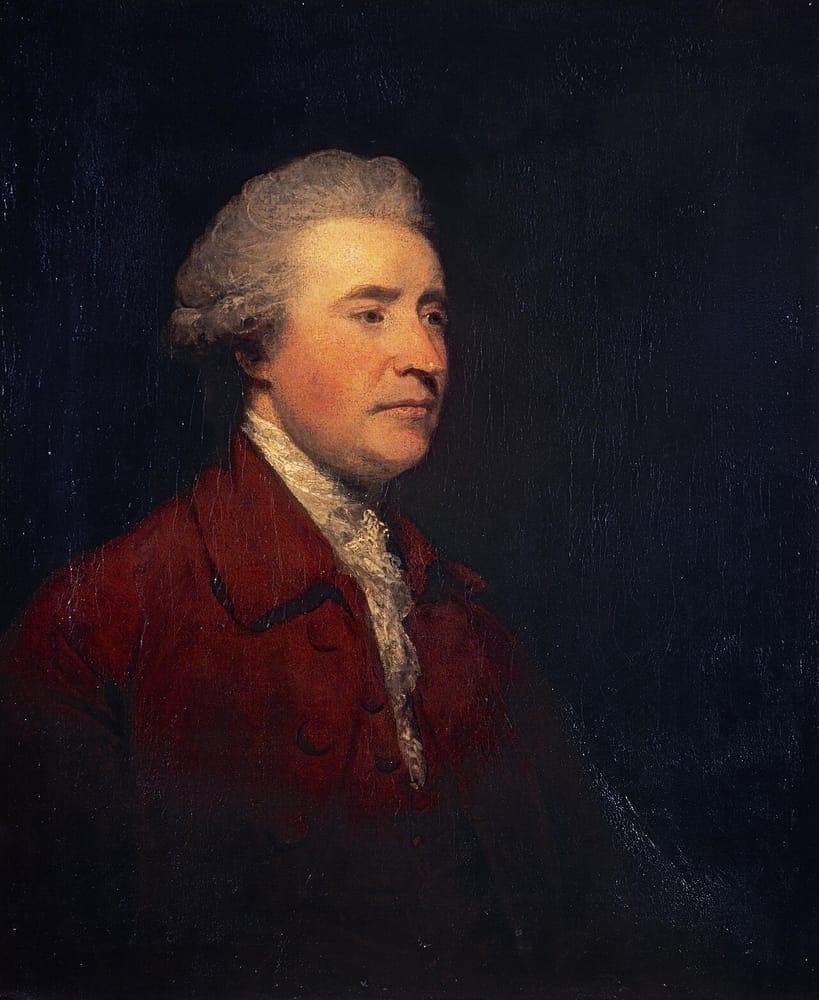
Reflections on the Revolution in France
Edmund Burke
Burke provoked Wollstonecraft into writing the Vindication of the Rights of Men, which led directly to this, her masterpiece.
£1.99
A Room of One's Own
Virginia Woolf
Woolf makes the literary argument Wollstonecraft made philosophically: women need independence before they can think freely.
£1.99

About the book
Teach a girl to be charming instead of thoughtful, then cite her charm as proof she was never built for thought: that is the trick Mary Wollstonecraft caught polite society playing, and the catching is what gives A Vindication of the Rights of Woman its heat. The fury is the argument. Her age had agreed that rational creatures deserve liberty, and she simply took the claim at its word, only to find it stopped quietly short at half the species. What looks like female frivolity, she insists, is no flaw of nature but the efficiency of the damage, an education that builds the cage and then calls the bird unfit to fly. And the harm does not stay put: women schooled to flatter rather than reason raise their children badly and make flatterers of their husbands. She wrote for contemporaries not yet persuaded, and you can hear it in the prose, combative, circling, stubbornly unwilling to please. The demand at its centre still cuts cleaner than almost anything since: not power over men, but power over themselves.