

In the Library
Democracy in America
Alexis de Tocqueville, 1835
- Form
- Form Philosophy
- Difficulty
- Difficulty Demanding
- Reading time
- Reading time 12 hours
- Translated by
- Translated by Henry Reeve
- Chapters
- Chapters 19
- Length
- Length 170k words
£1.99
Read in the app, yours for good. Not yet by post.
The book unlocks on your account as soon as you buy it, so the 14-day right to cancel ends once it is unlocked.
Nothing struck me more forcibly than the general equality of conditions.
What buying means
- Yours for good, on every iPhone you sign in to.
- Read in the app’s own reader, with the original beside the translation where there is one.
- Downloaded, so it reads with no signal.
- The same price as in the app. Folio already opens every book on this shelf; buying keeps this one after Folio ends. A refund takes it back.
If you like this, try
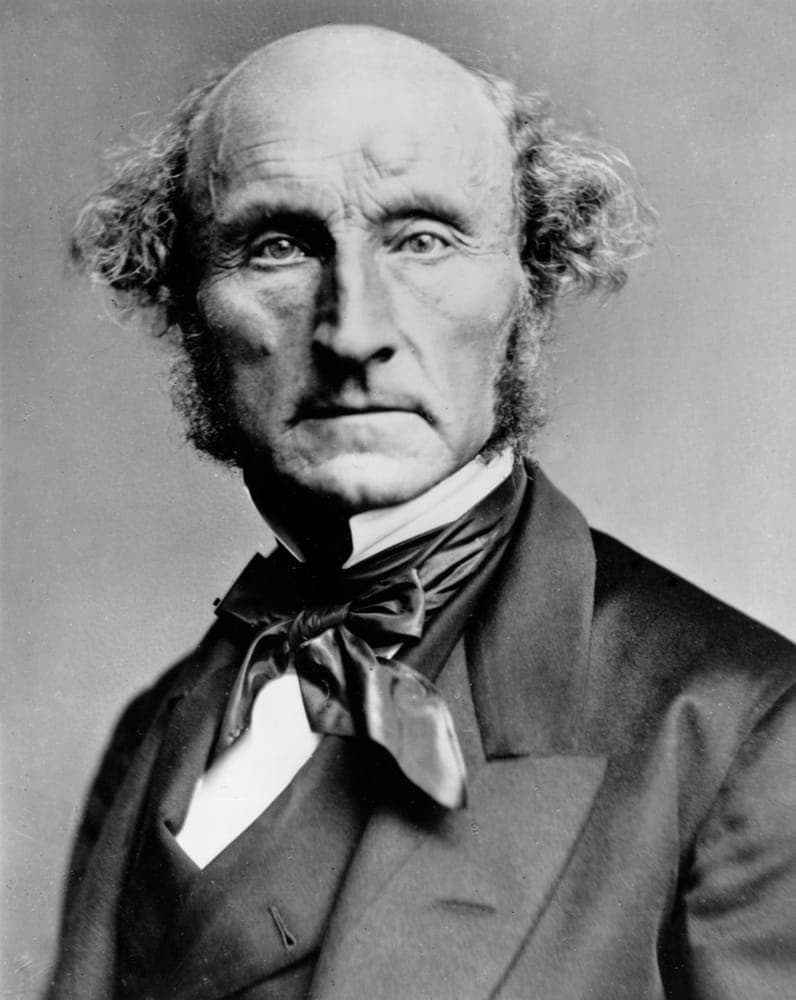
On Liberty
John Stuart Mill
Mill does the same thing, worrying over how a free majority can crush a lone dissenter, but he argues the philosophy where Tocqueville reports what he witnessed firsthand.
£1.99
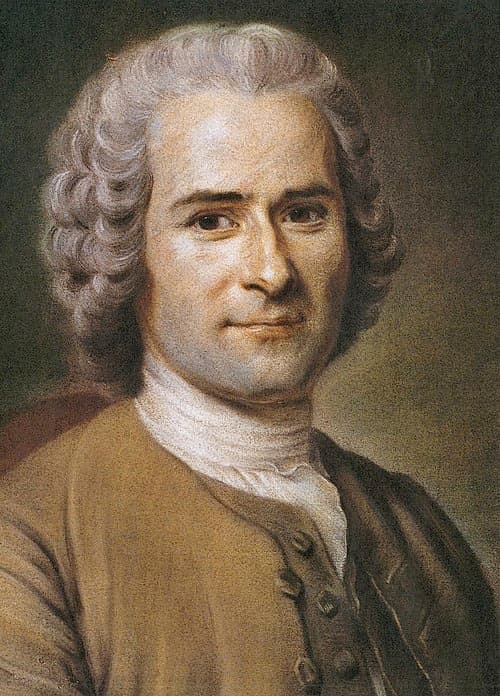
The Social Contract
Jean-Jacques Rousseau
Rousseau does the same thing, asking where a people's sovereignty truly comes from, but he builds the theory Tocqueville later watches a nation actually live out.
£1.99
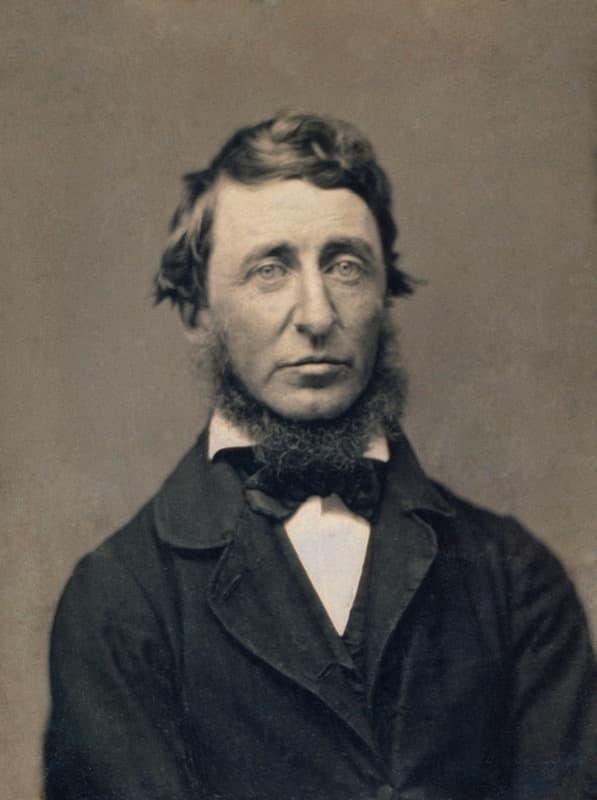
Walden
Henry David Thoreau
Thoreau does the same thing, taking the measure of American character, but he retreats to a pond while Tocqueville rides circuit through the whole young republic.
£1.99
About the book
Alexis de Tocqueville sailed to America in 1831 to study its prisons and came home with something far stranger: proof that a people could dissolve their king and never notice they had built a new master in his place. He found no crown and no ranks fixed by birth, and in their absence a force he called the tyranny of the majority, an opinion so total it could silence a dissenter without ever laying a hand on him. Beside it he glimpsed a subtler danger: a government so gentle, so attentive to its citizens' comfort, that it might reduce a free people to what he named a flock of timid and industrious animals, tended rather than ruled. He was a French aristocrat mourning a world of rank he could not save, and watched Americans build something newer in its wreckage: liberty practiced in town halls, newspapers, and endless local committees, not merely declared in a constitution. Read him now, in an age of majorities and comfortable conformity, and the mirror he built two centuries ago is still disturbingly exact.