
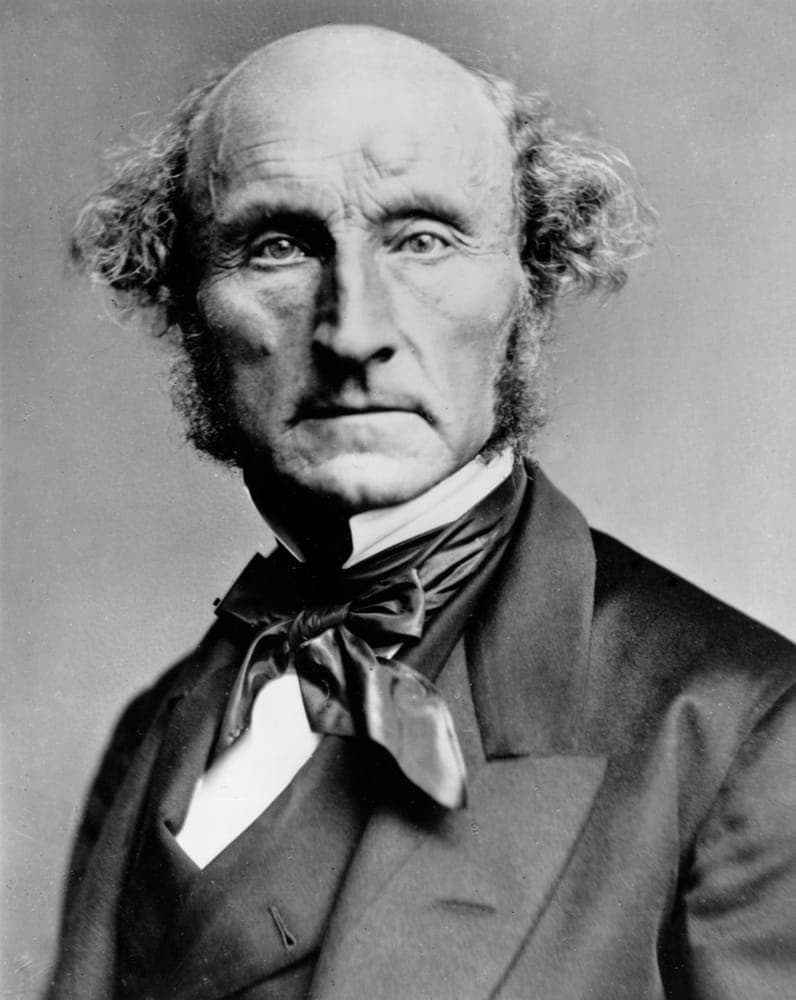
In the Library
On Liberty
John Stuart Mill, 1859
- Form
- Form Philosophy
- Difficulty
- Difficulty Moderate
- Reading time
- Reading time 3.5 hours
- Chapters
- Chapters 5
- Length
- Length 48k words
£1.99
Read in the app, yours for good. Not yet by post.
The book unlocks on your account as soon as you buy it, so the 14-day right to cancel ends once it is unlocked.
Over himself, over his own body and mind, the individual is sovereign.
What buying means
- Yours for good, on every iPhone you sign in to.
- Read in the app’s own reader, with the original beside the translation where there is one.
- Downloaded, so it reads with no signal.
- The same price as in the app. Folio already opens every book on this shelf; buying keeps this one after Folio ends. A refund takes it back.
If you like this, try
Self-Reliance
Ralph Waldo Emerson
Emerson makes the same case for individuality, but as a rousing sermon on trusting your own mind rather than a systematic argument against the tyranny of custom.
£1.99
Civil Disobedience
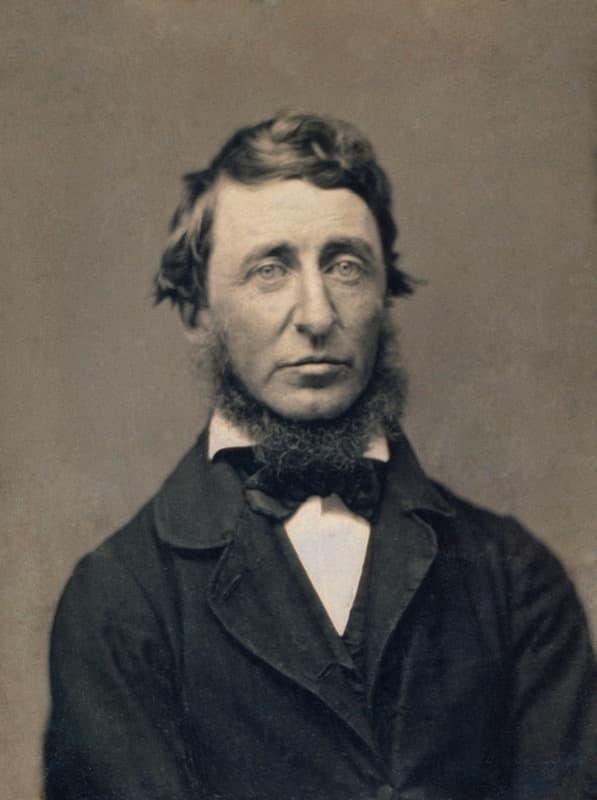
Henry David Thoreau
Thoreau draws the same line between the individual and the state, but pushes it further into a personal refusal to obey an unjust majority.
£1.99
The Apology
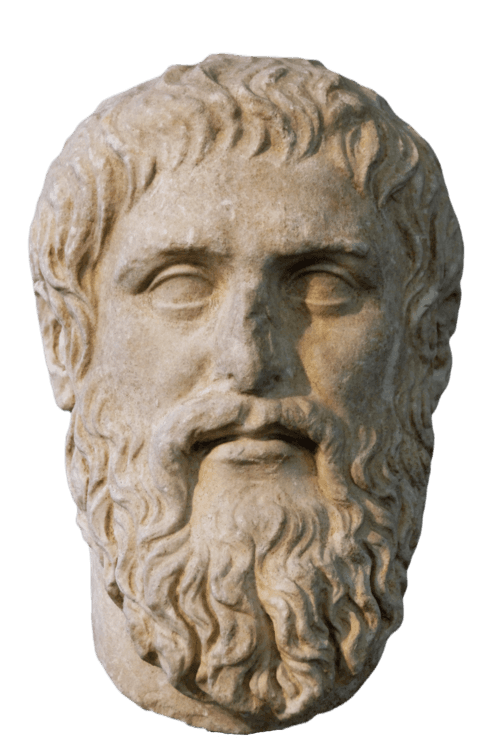
Plato
Plato dramatizes the same danger Mill warns against, but shows it already happened, in the trial that condemned Socrates for the crime of thinking aloud.
£1.99

About the book
Human nature, Mill writes, is not a machine to be built after a model, but a tree, which requires to grow and develop itself on all sides. Everything in this book grows from that image. Its principle sounds too plain to need defending: the only warrant for coercing an adult is to prevent harm to others, and his own good, physical or moral, is never sufficient. What follows is the greatest defence ever written of the opinion you find repellent. Silence an error and you lose the collision that keeps a truth alive; a belief nobody is allowed to contest hardens into dead dogma, held by people who could not say why. Mill wrote it with Harriet Taylor, his wife and, he insisted, in part its author, and she died before it went to press. Read it now and the danger he named is not the magistrate but the neighbours: the quiet, unlegislated pressure of a majority on anyone who wants to live a different way.