
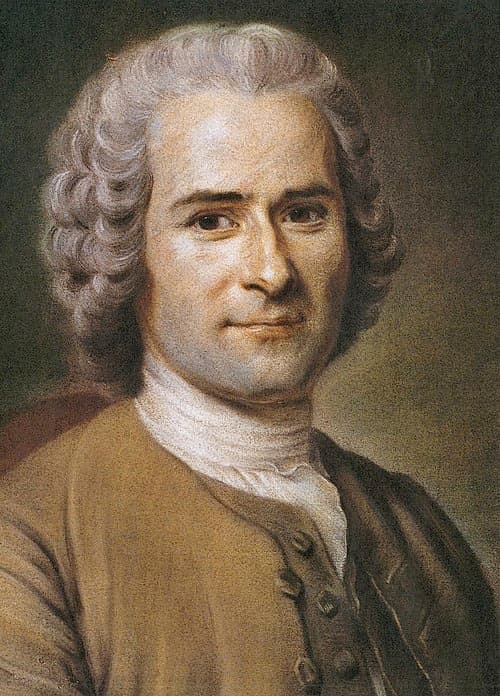
In the Library
Discourse on Inequality
Jean-Jacques Rousseau, 1755
- Form
- Form Philosophy
- Difficulty
- Difficulty Demanding
- Reading time
- Reading time 2.5 hours
- Translated by
- Translated by G. D. H. Cole (1913)
- Chapters
- Chapters 6
- Length
- Length 35k words
£1.99
Read in the app, yours for good. Not yet by post.
The book unlocks on your account as soon as you buy it, so the 14-day right to cancel ends once it is unlocked.
The first man who, having enclosed a piece of ground, bethought himself of saying This is mine, and found people simple enough to believe him
What buying means
- Yours for good, on every iPhone you sign in to.
- Read in the app’s own reader, with the original beside the translation where there is one.
- Downloaded, so it reads with no signal.
- The same price as in the app. Folio already opens every book on this shelf; buying keeps this one after Folio ends. A refund takes it back.
If you like this, try
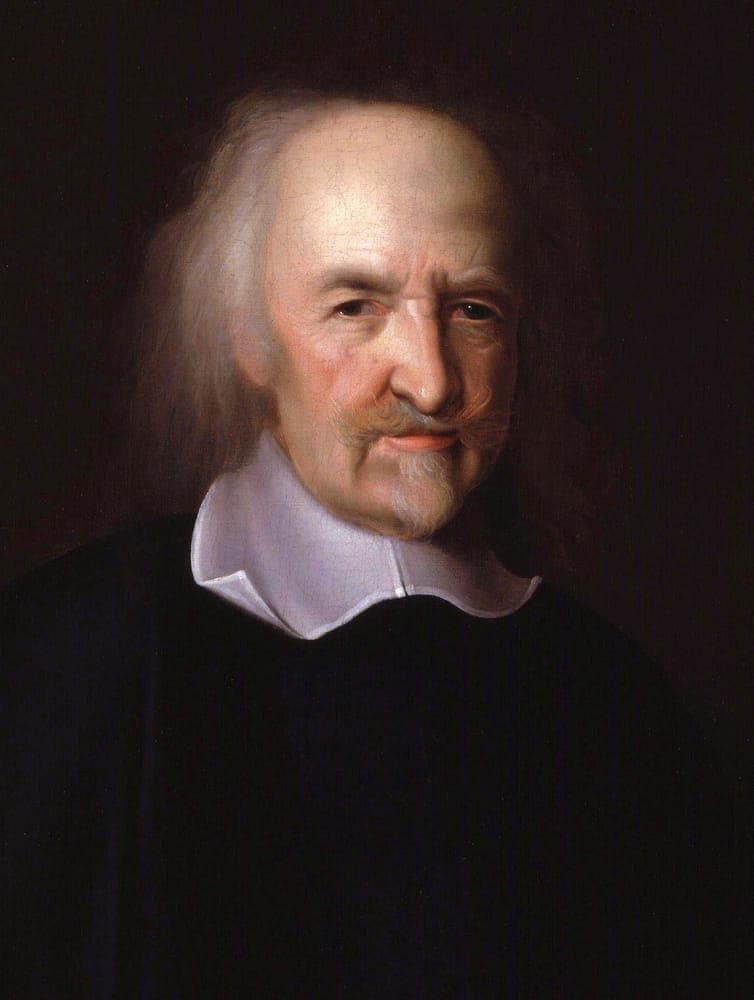
Leviathan
Thomas Hobbes
Hobbes does the same thing, imagining humanity stripped back to its natural state, but arrives at a war of all against all instead of Rousseau's gentle savage.
£1.99
The Social Contract
Jean-Jacques Rousseau
Rousseau does the same digging into how society ought to be built, but here he moves from diagnosing inequality to designing its cure.
£1.99
The Communist Manifesto
Karl Marx & Friedrich Engels
Marx and Engels do the same thing generations later, tracing how property and class divide people, but they call for revolution instead of a return to nature.
£1.99

About the book
Someone drives a stake into a field, draws a line around it, says this is mine, and finds people simple enough to believe him. Rousseau builds his entire case on that gesture, and on the man who never came, the one who might have pulled up the stakes and cried that the fruits of the earth belong to everyone and the earth itself to nobody. What makes the essay devastating is its patience. He walks man back behind language, behind property, behind shame, to a creature ambling through the woods, well fed and afraid of nothing, then shows step by careful step how the plough and the forge, and finally the wish to be looked at, manufactured masters and slaves out of equals. Voltaire read it and said it made him want to walk on all fours. He had missed the thing that still makes it dangerous: not that we should go back to the forest, but that nothing we suffer under was ever natural, and so nothing about it has to last.