
In the Library
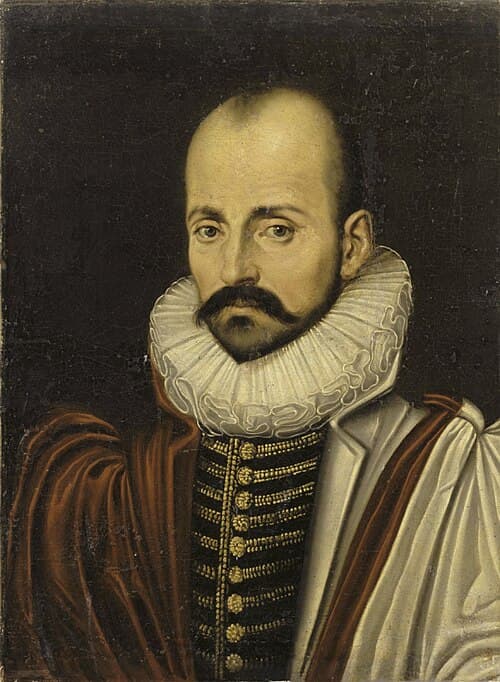
Essays
Michel de Montaigne, 1603
- Form
- Form Collection
- Difficulty
- Difficulty Moderate
- Reading time
- Reading time 7 hours
- Translated by
- Translated by John Florio
- Original
- Original fr
- Chapters
- Chapters 13
- Length
- Length 99k words
£1.99
Read in the app, yours for good. Not yet by post.
The book unlocks on your account as soon as you buy it, so the 14-day right to cancel ends once it is unlocked.
Que sais-je? (What do I know?)
What buying means
- Yours for good, on every iPhone you sign in to.
- Read in the app’s own reader, with the original beside the translation where there is one.
- Downloaded, so it reads with no signal.
- The same price as in the app. Folio already opens every book on this shelf; buying keeps this one after Folio ends. A refund takes it back.
If you like this, try
Confessions
Saint Augustine
Augustine invented self-examination; Montaigne secularised it and made the self the only honest subject.
£1.99
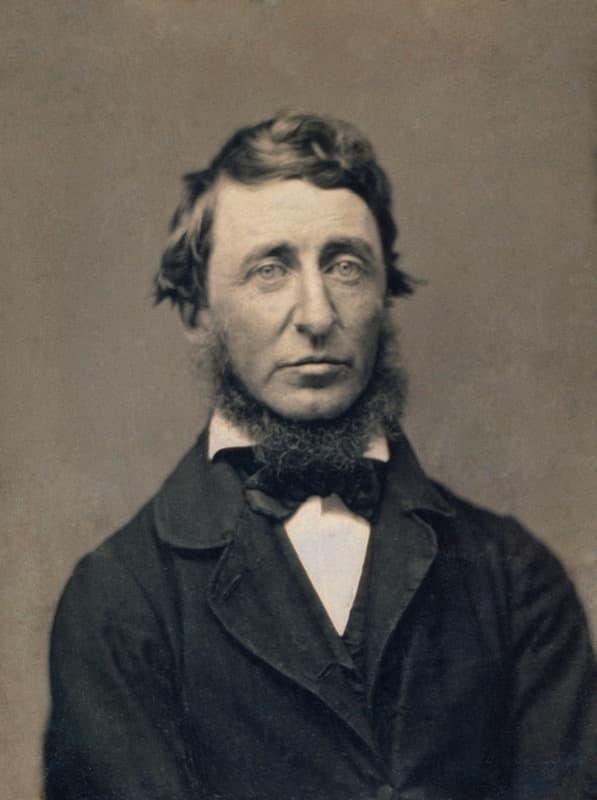
Walden
Henry David Thoreau
Thoreau inherits Montaigne's method of testing ideas against lived experience, but goes to the woods instead of staying in the tower.
£1.99
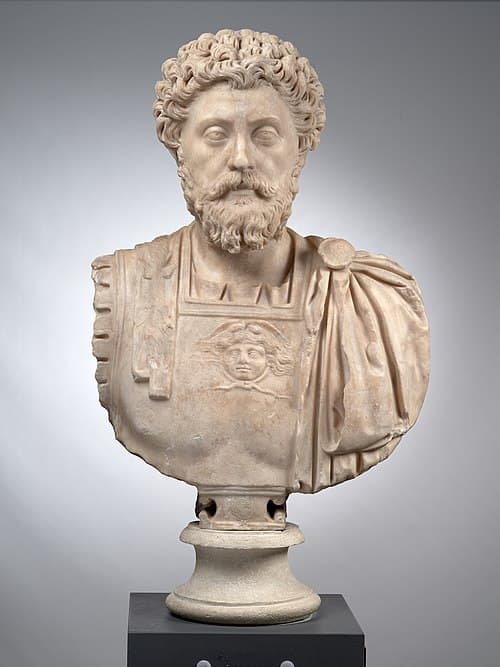
Meditations
Marcus Aurelius
Marcus Aurelius practises the same honest self-scrutiny, but as private notes instead of published essays.
£1.99

About the book
When Montaigne played with his cat, he wondered whether the cat was not playing with him. He wrote the thought down, the way he wrote everything down, in the round tower on his estate where he had withdrawn to study the only human being he could examine without flattery or lying: himself. He called the results essais, meaning attempts, and invented a whole form of writing by beginning from the admission that he did not know. Across more than a hundred of them he catches his own mind in the act, fearful and vain and idle and still grieving a friend years dead, and somehow the wandering composes a whole person. He moves from cannibals to the raising of children to how a man ought to die. The miracle is the voice. Four centuries on, no one in print sounds more like company, turning to you across the table as though doubt itself were a form of friendship.