
In the Library
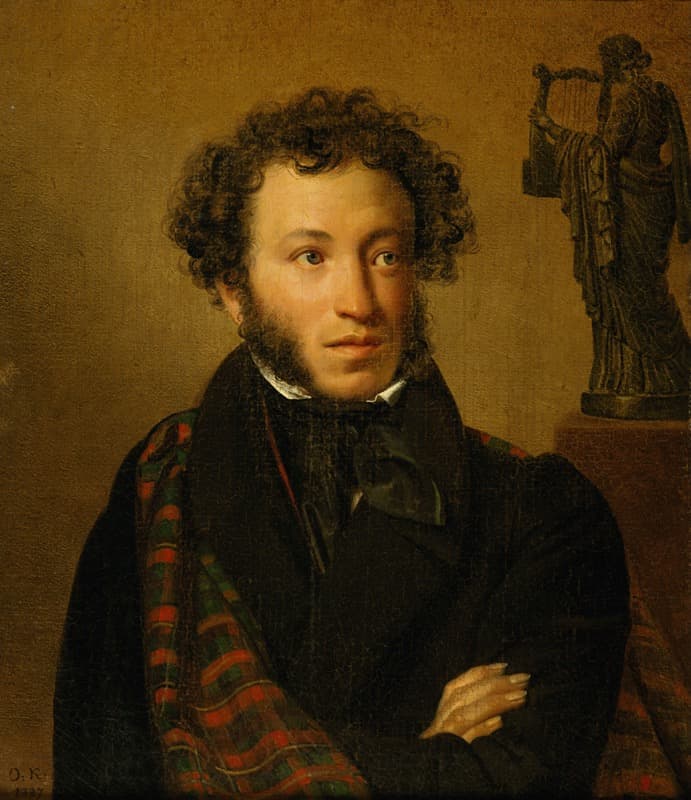
Eugene Onegin
Alexander Pushkin, 1833
- Form
- Form Poem
- Difficulty
- Difficulty Moderate
- Reading time
- Reading time 2 hours
- Translated by
- Translated by Henry Spalding (1881)
- Chapters
- Chapters 8
- Length
- Length 30k words
£1.99
Read in the app, yours for good. Not yet by post.
The book unlocks on your account as soon as you buy it, so the 14-day right to cancel ends once it is unlocked.
My uncle's goodness is extreme, If seriously he hath disease; He hath acquired the world's esteem And nothing more important sees.
What buying means
- Yours for good, on every iPhone you sign in to.
- Read in the app’s own reader, with the original beside the translation where there is one.
- Downloaded, so it reads with no signal.
- The same price as in the app. Folio already opens every book on this shelf; buying keeps this one after Folio ends. A refund takes it back.
If you like this, try
Pride and Prejudice
Jane Austen
Austen tells the same story of rejected love and belated recognition, but gives it a happy ending Pushkin withholds.
£1.99
Madame Bovary
Gustave Flaubert
Flaubert takes the same bored provincial life and removes the verse, the duels, and the chance of redemption.
£1.99
The Sorrows of Young Werther
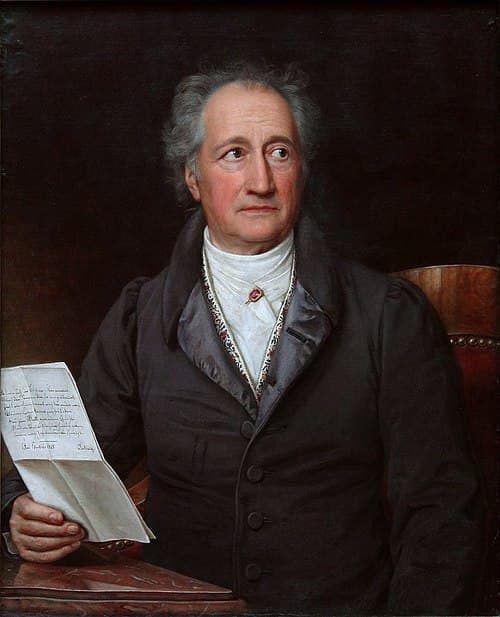
Johann Wolfgang von Goethe
Goethe invented the lovesick young man Onegin pretends not to be.
£1.99


About the book
At her window past midnight, a country girl pours her whole heart onto the page to a man she has met once, certain she will love him forever. Tatyana's letter is the most famous declaration in Russian literature, and the cruelty of Eugene Onegin is what comes after: the bored dandy reads it, and turns her down with chilly kindness. Pushkin wrote the whole novel in sonnet-like stanzas of his own invention, so the verse keeps dancing, witty and offhand, even as it walks toward a senseless duel between two friends. Tatyana grows up; Onegin learns, too late, exactly what he refused. The genius is the symmetry: two letters across the years, the same two people, everything between them reversed. Few books have made regret this elegant, or shown so plainly how a life can be ruined by the pose of having seen through everything.