
In the Library
Federalist No. 10
Alexander Hamilton, James Madison, John Jay, 1787
- Form
- Form Essay
- Difficulty
- Difficulty Moderate
- Reading time
- Reading time 15 minutes
- Chapters
- Chapters 1
- Length
- Length 3k words
£1.99
Read in the app, yours for good. Not yet by post.
The book unlocks on your account as soon as you buy it, so the 14-day right to cancel ends once it is unlocked.
Liberty is to faction what air is to fire, an aliment without which it instantly expires.
What buying means
- Yours for good, on every iPhone you sign in to.
- Read in the app’s own reader, with the original beside the translation where there is one.
- Downloaded, so it reads with no signal.
- The same price as in the app. Folio already opens every book on this shelf; buying keeps this one after Folio ends. A refund takes it back.
If you like this, try
Democracy in America
Alexis de Tocqueville
Tocqueville does the same thing, but arrives fifty years later to see whether Madison's machinery actually restrained the tyranny of the majority in practice.
£1.99
On Liberty
John Stuart Mill
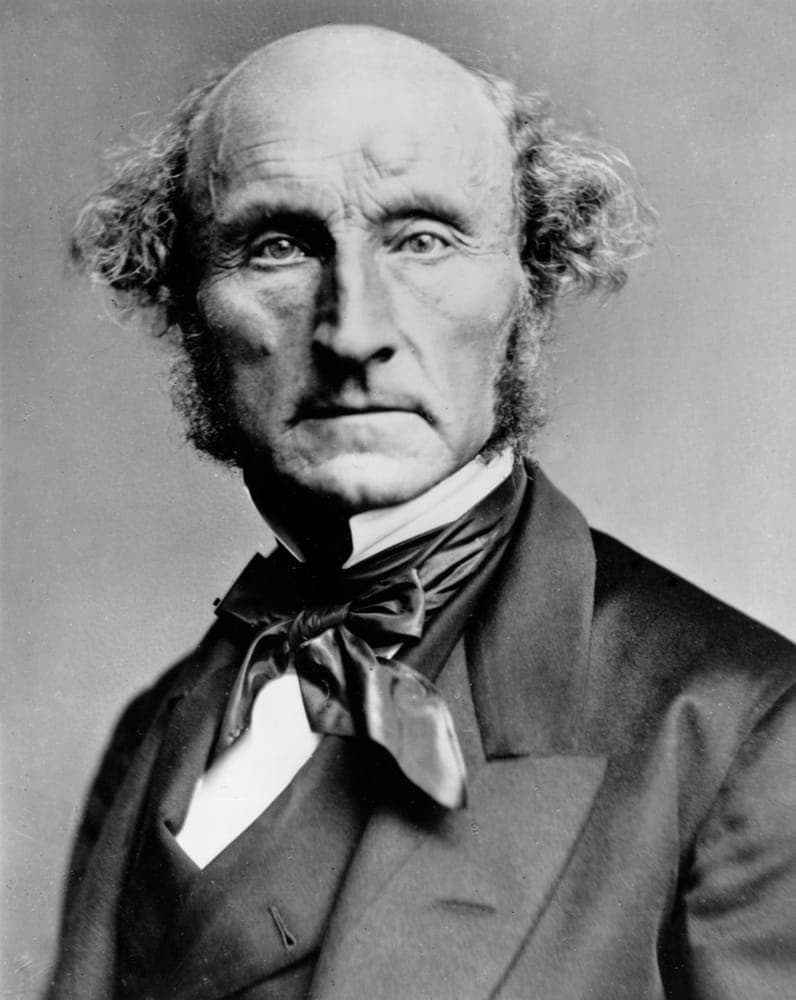
Mill fears the same tyranny of the majority, but moves the fight from constitutional design onto the sacred ground of individual conscience and dissent.
£1.99
The Social Contract
Jean-Jacques Rousseau
Rousseau starts from the same puzzle of self-government, but trusts the general will exactly where Madison teaches you to distrust the passionate majority.
£1.99


About the book
Fear the mob. That is where James Madison begins in the tenth of The Federalist essays, and he does not flinch from it: free people gather into factions, inflamed by passion or self-interest, and turn on the rights of everyone else. Most thinkers before him tried to stamp such factions out. Madison, cooler and stranger, refuses. Liberty feeds faction the way air feeds fire, he writes, and you cannot kill the fire without smothering the air. So he does something audacious instead. He proposes to make the republic enormous, so vast and various in its interests that no single faction can ever swell into a ruling majority, each passion blunted against a hundred others until the danger cancels itself. It is a short essay, barely an evening's read, and it may be the most quietly radical thing ever written about how a large nation governs itself without tearing apart. Two centuries on, every argument about polarization is still living inside it.