
In the Library
Fortunata and Jacinta
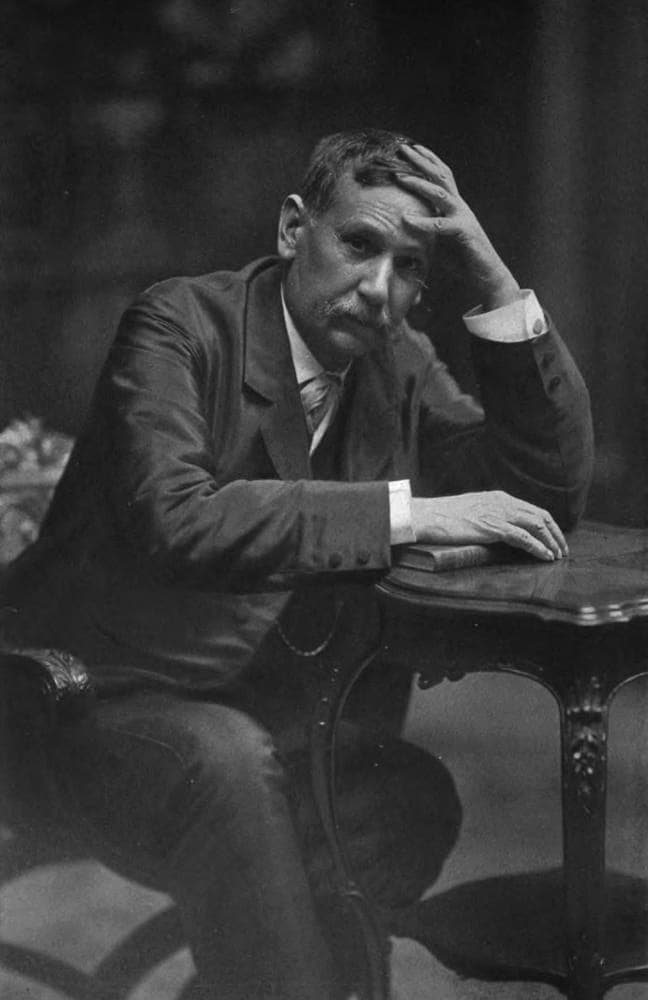
Benito Pérez Galdós, 1887
- Form
- Form Novel
- Difficulty
- Difficulty Moderate
- Reading time
- Reading time 28 hours
- Chapters
- Chapters 31
- Length
- Length 393k words
£1.99
Read in the app, yours for good. Not yet by post.
The book unlocks on your account as soon as you buy it, so the 14-day right to cancel ends once it is unlocked.
What are you eating, my dear? Can't you see? she replied, showing it to him. An egg. A raw egg!
What buying means
- Yours for good, on every iPhone you sign in to.
- Read in the app’s own reader, with the original beside the translation where there is one.
- Downloaded, so it reads with no signal.
- The same price as in the app. Folio already opens every book on this shelf; buying keeps this one after Folio ends. A refund takes it back.
If you like this, try
Anna Karenina
Leo Tolstoy
Anna Karenina does the same thing, but sets its love triangle among Russian aristocrats instead of Madrid shopkeepers, with an equally unflinching social cost.
£1.99
La Regenta
Clarín
La Regenta does the same thing, but stays in provincial Vetusta, watching a bored wife drift toward adultery under the town's suffocating watchfulness.
£1.99
Madame Bovary
Gustave Flaubert
Madame Bovary does the same thing, but narrows the canvas to one woman's hunger for a bigger life than her marriage allows.
£1.99
About the book
A wealthy young Madrileño, on a stroll through a working-class neighborhood, climbs a tenement staircase and sees a beautiful girl on the landing eating a raw egg, and the encounter will reshape three lives. Benito Pérez Galdós published this enormous Madrid novel between 1886 and 1887, in four volumes, building a portrait of the capital as exact as Balzac's Paris. Juanito Santa Cruz marries the demure Jacinta, his cousin, but cannot stay away from Fortunata, the egg-eating girl from the slums; the two women, rivals at first, come slowly to recognize each other. Galdós refuses to take sides between class and instinct, between the legitimate wife and the natural one. The novel grants Fortunata, in the end, the only victory the city allows.