
In the Library
Gargantua and Pantagruel
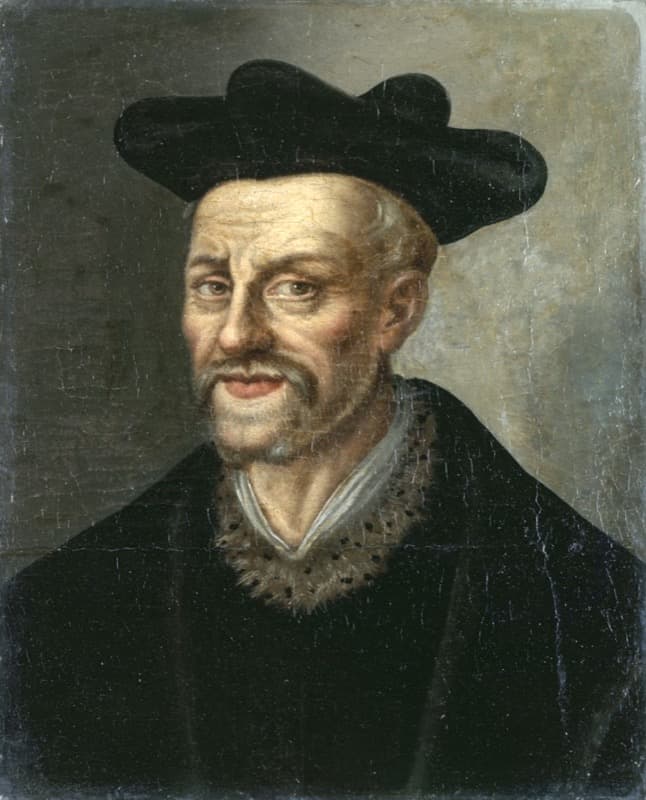
François Rabelais, 1564
- Form
- Form Novel
- Difficulty
- Difficulty Demanding
- Reading time
- Reading time 22 hours
- Translated by
- Translated by Sir Thomas Urquhart & Peter Anthony Motteux (1693-1708)
- Chapters
- Chapters 5
- Length
- Length 304k words
£1.99
Read in the app, yours for good. Not yet by post.
The book unlocks on your account as soon as you buy it, so the 14-day right to cancel ends once it is unlocked.
Do what thou wilt.
What buying means
- Yours for good, on every iPhone you sign in to.
- Read in the app’s own reader, with the original beside the translation where there is one.
- Downloaded, so it reads with no signal.
- The same price as in the app. Folio already opens every book on this shelf; buying keeps this one after Folio ends. A refund takes it back.
The reading guide, in the app
How to Read Gargantua and Pantagruel
Five centuries of reputation as a learned satirist have obscured the fact that Rabelais is, before anything else, the funniest writer of the sixteenth century, and the joke is almost always the same joke: that everything is too much, by design.
The book comes with a reputation for erudition, a five-volume Renaissance satire packed with Greek and Latin allusions and philosophical debates and what scholars call Menippean form, and that reputation, while accurate, makes it sound like homework. What it leaves out is that Rabelais writes with the specific, raucous energy of someone who has learned a very great deal and found the whole enterprise hilarious. The catalogues of insults, the long lists of foods consumed at a single sitting, the legal disputation that makes no sense and resolves nothing, the mock-heroic battles and the theological arguments that collapse into farce: all of this is comedy, and it is useful to read it that way first.
If you like this, try
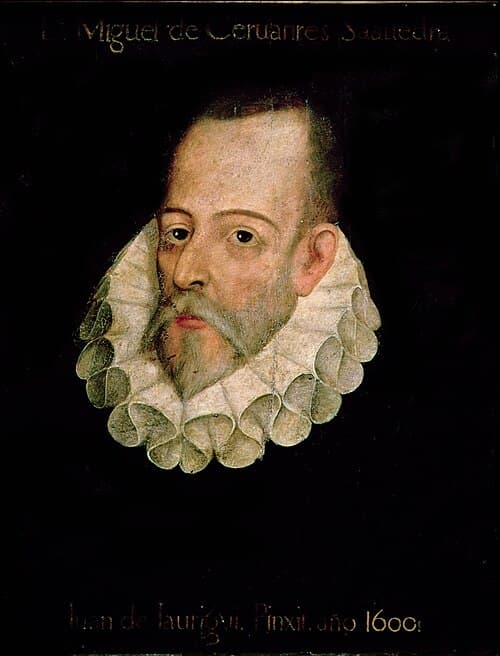
Don Quixote
Miguel de Cervantes
Cervantes channels the same anarchic energy into a single pair of travellers, and invents the novel Rabelais was too wild to write.
£1.99
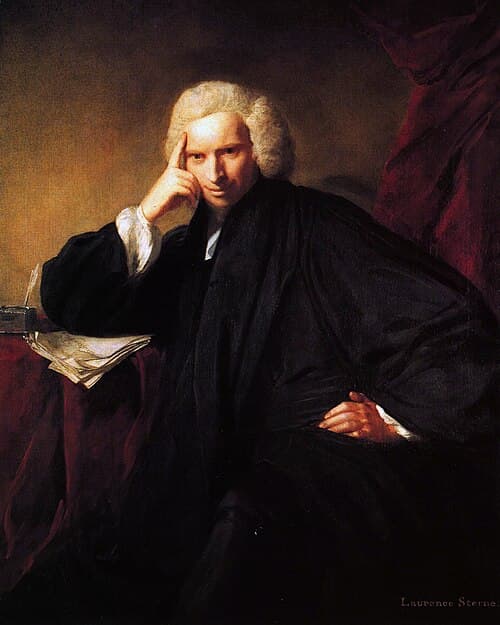
Tristram Shandy
Laurence Sterne
Sterne inherits Rabelais's digressive genius and his conviction that the detour is always more interesting than the road.
£1.99
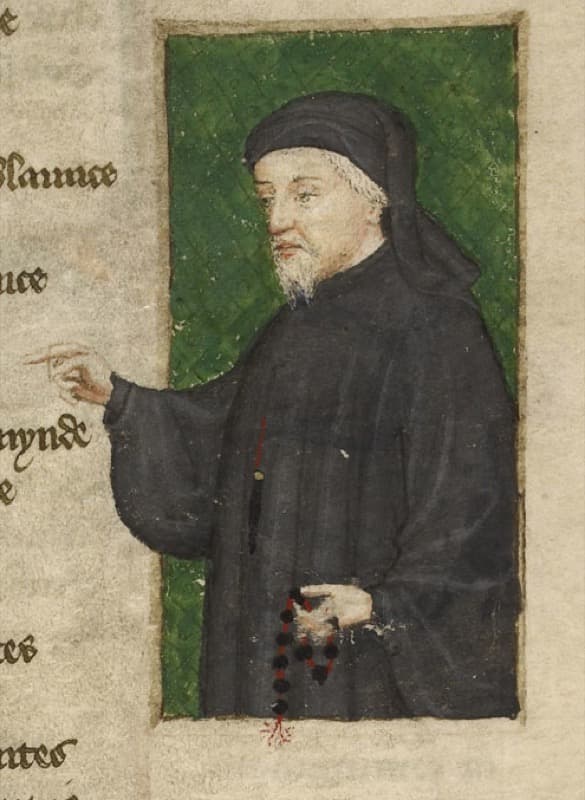
The Canterbury Tales
Geoffrey Chaucer
Chaucer matches Rabelais's bawdiness and appetite, with pilgrims instead of giants.
£1.99
About the book
Our word for the monstrously huge comes from this book's giant, and Rabelais earns it. Gargantua is born bellowing for drink, eats entire herds at a sitting, and as a boy works through everything to wipe himself with before pronouncing a live gosling the finest. Yet Rabelais warns in his prologue that the book is a Silenus box, grotesques painted outside and something precious sealed within, and to read it is to pry that box open: beneath the noise and the bawdry a humanist philosophy keeps surfacing. A petty king called Picrochole goes to war over stolen cakes, and the farce sharpens into a study of how paranoia governs. The Abbey of Thélème, Gargantua's utopia, runs on a single rule, Do what thou wilt. And the long quest to the Oracle of the Divine Bottle ends with one word of counsel for living: Drink. Rabelais had to coin the word Pantagruelism for what his giants practice, because no smaller term could hold a wisdom that refused to part the body from the soul, or the laugh from the argument.