

In the Library
Maxims
La Rochefoucauld, 1665
- Form
- Form Philosophy
- Difficulty
- Difficulty Accessible
- Reading time
- Reading time 50 minutes
- Translated by
- Translated by J.W. Willis Bund & J.H. Friswell (1871)
- Original
- Original fr
- Chapters
- Chapters 1
- Length
- Length 12k words
£1.99
Read in the app, yours for good. Not yet by post.
The book unlocks on your account as soon as you buy it, so the 14-day right to cancel ends once it is unlocked.
We have all sufficient strength to support the misfortunes of others.
What buying means
- Yours for good, on every iPhone you sign in to.
- Read in the app’s own reader, with the original beside the translation where there is one.
- Downloaded, so it reads with no signal.
- The same price as in the app. Folio already opens every book on this shelf; buying keeps this one after Folio ends. A refund takes it back.
If you like this, try
Pensées
Blaise Pascal
Pascal writes the same fragments but from a sickbed aimed at God, where La Rochefoucauld aims at the drawing room.
£1.99
The Gay Science
Friedrich Nietzsche
Nietzsche inherits the aphoristic tradition La Rochefoucauld perfected and turns it on morality itself.
£1.99
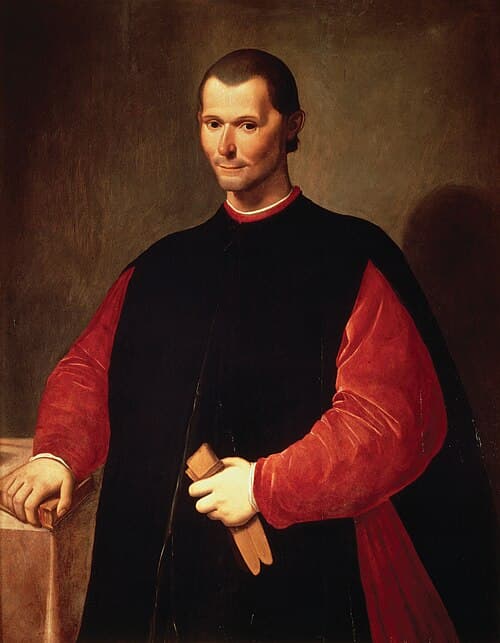
The Prince
Niccolò Machiavelli
The Prince shares the same unsentimental read of what actually moves people, self-interest over virtue, but applies the diagnosis to statecraft rather than private life.
£1.99


About the book
"We all have strength enough to bear the misfortunes of others." That is one of the gentler verdicts La Rochefoucauld hands down, and it has been waiting, perfectly poised, for three and a half centuries to catch you flattering yourself. The Maxims is some five hundred such sentences, each filed to a single edge in the salons of Paris until argument becomes impossible. Their relentless claim is that self-love is the engine hidden inside every virtue: that our generosity is vanity, our friendships are arithmetic, our courage often only the fear of a larger fear. A duke who took a musket ball through the face in the Fronde and rose half-blind, he wrote with the calm of a man who had already lost his illusions about glory. Read a page and you will start defending yourself. Read ten and the defence collapses, leaving the quiet, unshakeable suspicion that your finest qualities are your most elaborate disguises.