
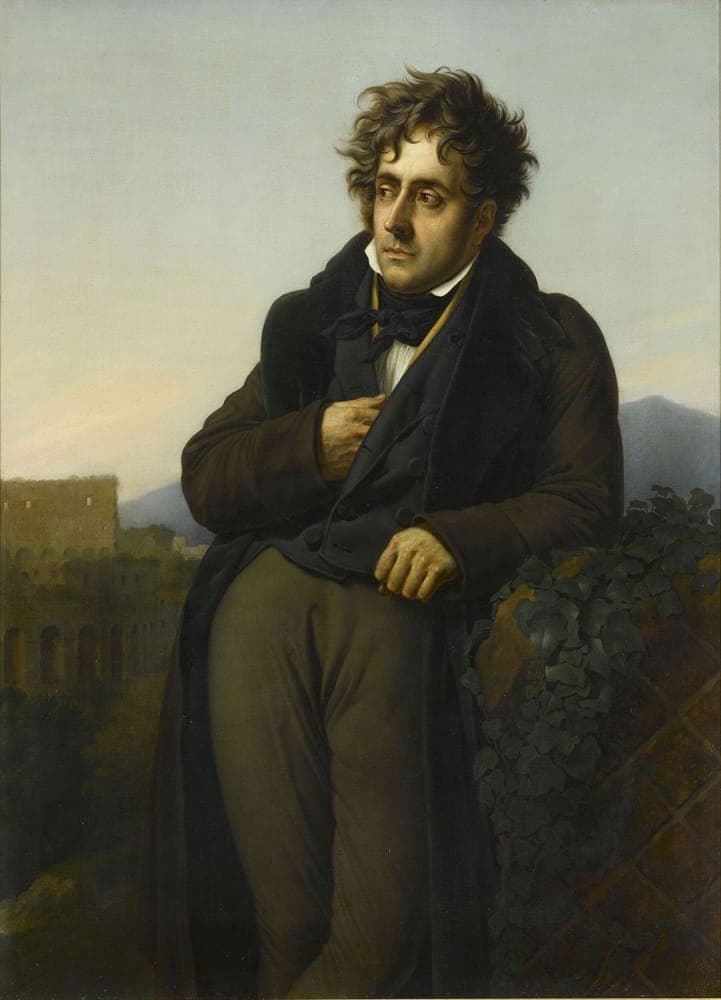
In the Library
Memoirs From Beyond the Grave
François-Auguste-René de Chateaubriand, 1849
- Form
- Form Essay
- Difficulty
- Difficulty Demanding
- Reading time
- Reading time 7 hours
- Translated by
- Translated by Alexander Teixeira de Mattos
- Chapters
- Chapters 6
- Length
- Length 98k words
£1.99
Read in the app, yours for good. Not yet by post.
The book unlocks on your account as soon as you buy it, so the 14-day right to cancel ends once it is unlocked.
though he may crush the present, the past defies him, and I remain free in all that precedes his glory.
What buying means
- Yours for good, on every iPhone you sign in to.
- Read in the app’s own reader, with the original beside the translation where there is one.
- Downloaded, so it reads with no signal.
- The same price as in the app. Folio already opens every book on this shelf; buying keeps this one after Folio ends. A refund takes it back.
If you like this, try
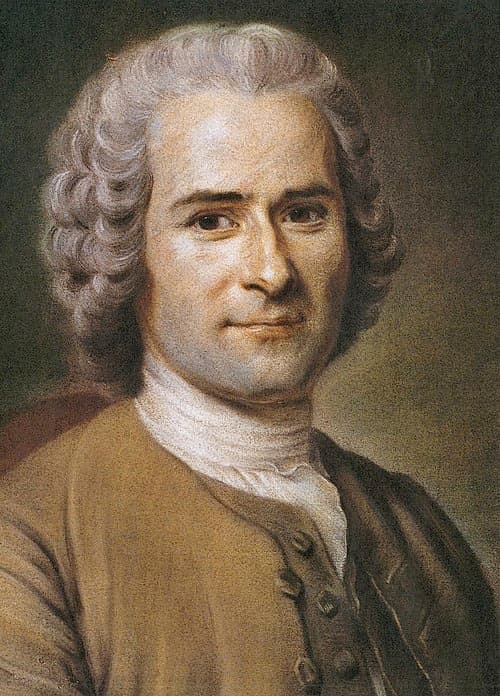
The Confessions of Jean-Jacques Rousseau
Jean-Jacques Rousseau
Rousseau's Confessions does the same thing a generation earlier, baring a whole self on the page, but confesses to be forgiven where Chateaubriand remembers to be free.
£1.99
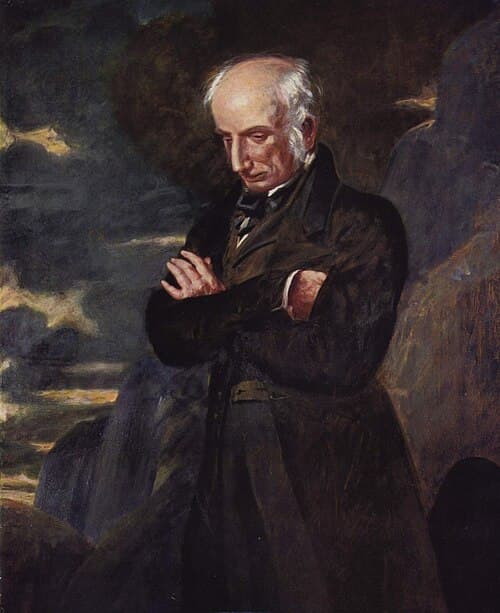
The Prelude
William Wordsworth
The Prelude does the same thing in verse, tracing how a poet's mind was shaped by remembered landscapes, the same claim Chateaubriand makes for Combourg's woods.
£1.99
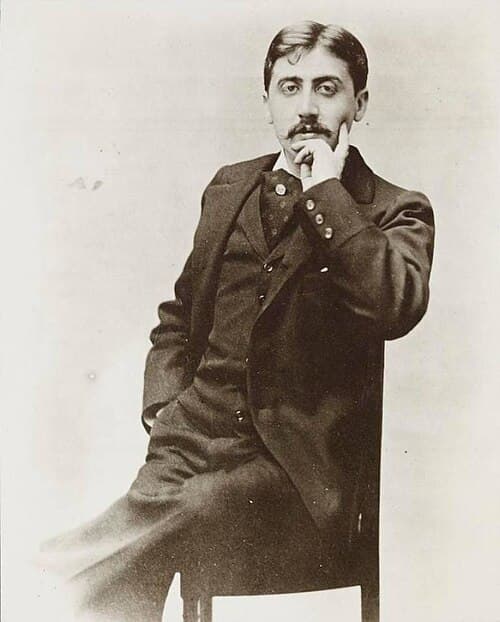
In Search of Lost Time
Marcel Proust
Proust does the same thing at far greater length, letting a whole vanished world resurface through involuntary memory rather than deliberate recollection.
£1.99
About the book
An old vicomte writes at his desk in Paris, dating each chapter against the news of the day, addressing readers who will not be born until he is in the ground. François-René de Chateaubriand spent forty years on these memoirs, completed in 1841 and published from 1849 after his death as he had stipulated, the title itself a reproach to the present tense. He had fled the Terror, sailed to America, met Washington, served Napoleon, broken with him, served the Bourbons, broken with them; he had invented French romanticism with René and Atala while the empires rose and fell around him. The prose moves between the forests of Ohio and the salons of the Restoration with the same valedictory cadence. He addresses the future as one already departed.