
In the Library
Nicomachean Ethics
Aristotle, 350 BCE
- Form
- Form Philosophy
- Difficulty
- Difficulty Demanding
- Reading time
- Reading time 6.5 hours
- Translated by
- Translated by F.H. Peters (1893)
- Original
- Original grc
- Chapters
- Chapters 10
- Length
- Length 91k words
£1.99
Read in the app, yours for good. Not yet by post.
The book unlocks on your account as soon as you buy it, so the 14-day right to cancel ends once it is unlocked.
Every art and every kind of inquiry, and likewise every act and purpose, seems to aim at some good.
What buying means
- Yours for good, on every iPhone you sign in to.
- Read in the app’s own reader, with the original beside the translation where there is one.
- Downloaded, so it reads with no signal.
- The same price as in the app. Folio already opens every book on this shelf; buying keeps this one after Folio ends. A refund takes it back.
The reading guide, in the app
How to Read Nicomachean Ethics
A book that sounds like a forbidding stone tablet of moral rules but is really a working manual on how to become the kind of person you would want to be, written by someone who assumed you could actually do it.
The reputation of the Nicomachean Ethics is that it is the driest of the dry, a slab of ancient philosophy bristling with technical terms and airless definitions, the sort of thing you are supposed to extract a few quotable maxims from and otherwise leave on the shelf. The dryness on the surface is real and the conclusion drawn from it is almost entirely wrong. Underneath the terse phrasing is the most practical book about how to live a good life that anyone has ever written, addressed not to scholars but to a young man with his whole life ahead of him, asking the plainest question there is, which is what a human being is actually for.
If you like this, try
Meditations
Marcus Aurelius
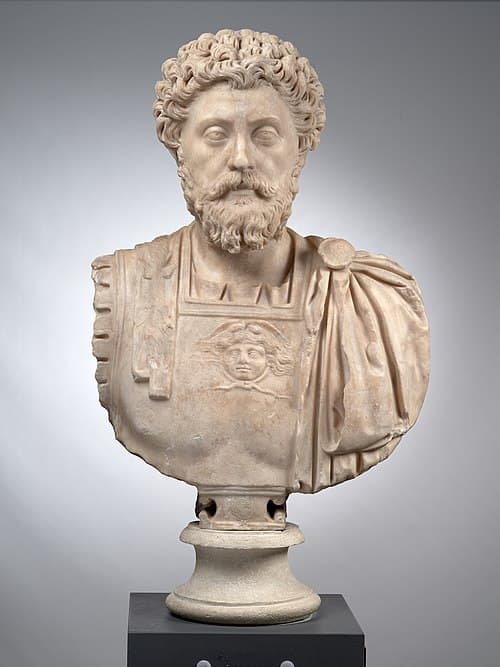
Marcus Aurelius practises on the throne what Aristotle theorises in the lecture hall: the same pursuit of the good life through right action.
£1.99
The Enchiridion
Epictetus
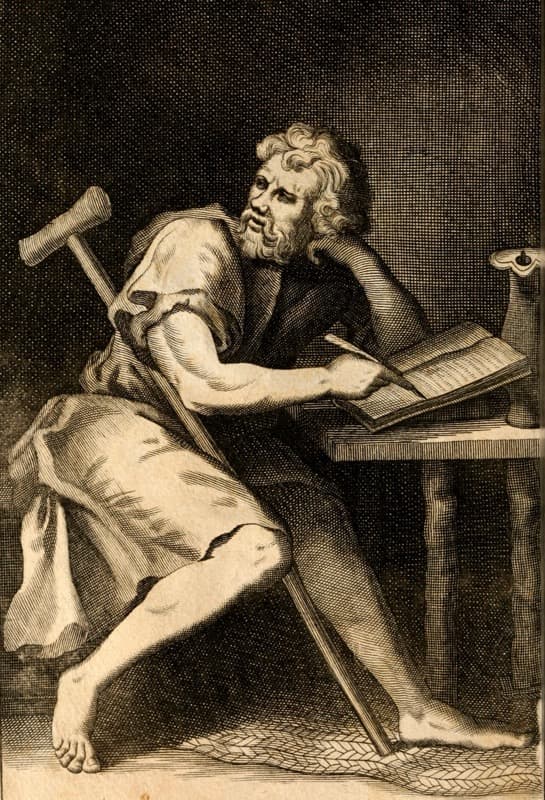
Epictetus compresses the same practical ethics into a handbook a soldier can carry, where Aristotle fills a library.
£1.99
The Apology
Plato
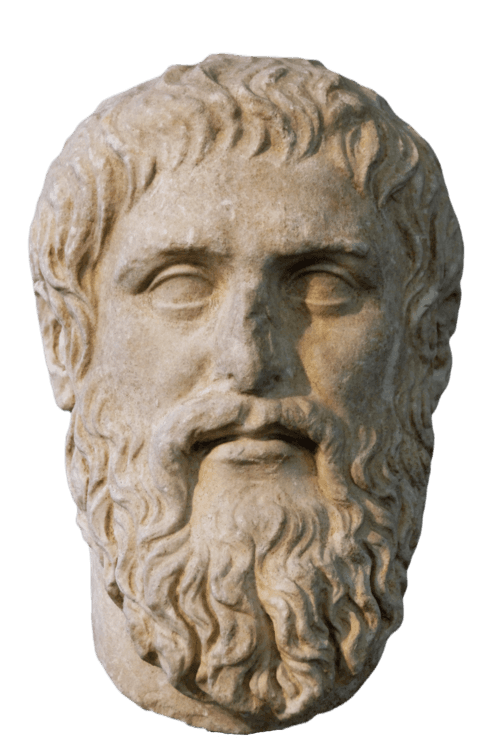
Plato's Socrates lives and dies by the examined life Aristotle tries to systematise, and the teacher is wilder than the student.
£1.99
About the book
You become a builder by building, Aristotle writes, and a lyre-player by playing the lyre; and so you become brave only by doing brave things, just only by doing just ones, until the doing has quietly made you into someone. This is the book's most consequential claim, and its most consoling too: virtue is not something you know but something you practise into being, laid down one ordinary choice at a time. The man who freezes in the crisis was not unlucky. Courage was simply never the habit. The Nicomachean Ethics takes up the oldest question there is, how a person ought to live, and answers it not with commandments but with the slow shaping of a character over a whole life. It gives two entire books to friendship, certain the good life cannot be lived alone, that you need another self in whom your own goodness becomes visible. Happiness, here, is never the reward for being good. It is what living well already is.