
In the Library
On First Looking into Chapman's Homer
John Keats, 1816
- Form
- Form Poem
- Difficulty
- Difficulty Accessible
- Reading time
- Reading time 5 minutes
- Chapters
- Chapters 1
- Length
- Length 0k words
£1.99
Read in the app, yours for good. Not yet by post.
The book unlocks on your account as soon as you buy it, so the 14-day right to cancel ends once it is unlocked.
Then felt I like some watcher of the skies / When a new planet swims into his ken;
What buying means
- Yours for good, on every iPhone you sign in to.
- Read in the app’s own reader, with the original beside the translation where there is one.
- Downloaded, so it reads with no signal.
- The same price as in the app. Folio already opens every book on this shelf; buying keeps this one after Folio ends. A refund takes it back.
If you like this, try
The Iliad
Homer
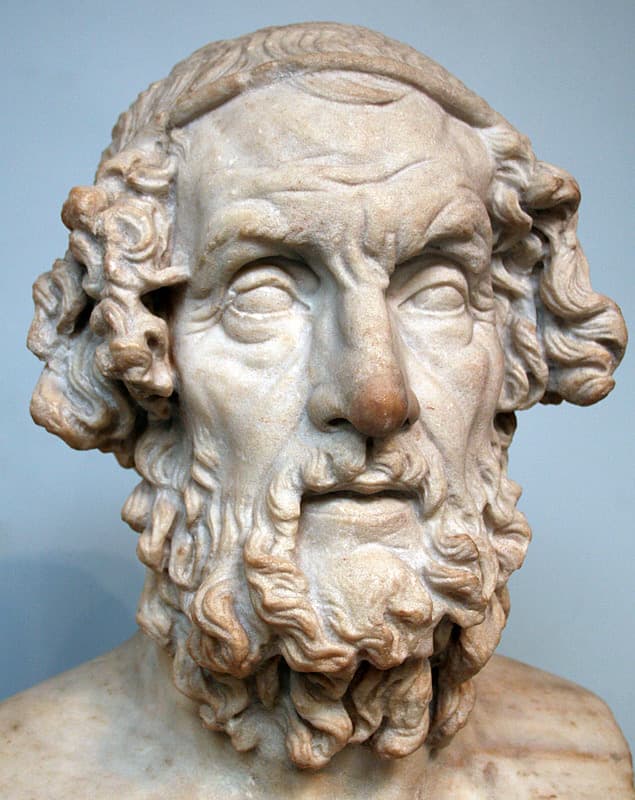
The book that made Keats feel like a watcher of the skies, and it can still swim into a new reader's ken with the same force.
£1.99
The Odyssey
Homer
Keats's sonnet is full of voyages and western islands, and Homer's other epic is the original sea journey behind them.
£1.99
Ithaka
C.P. Cavafy
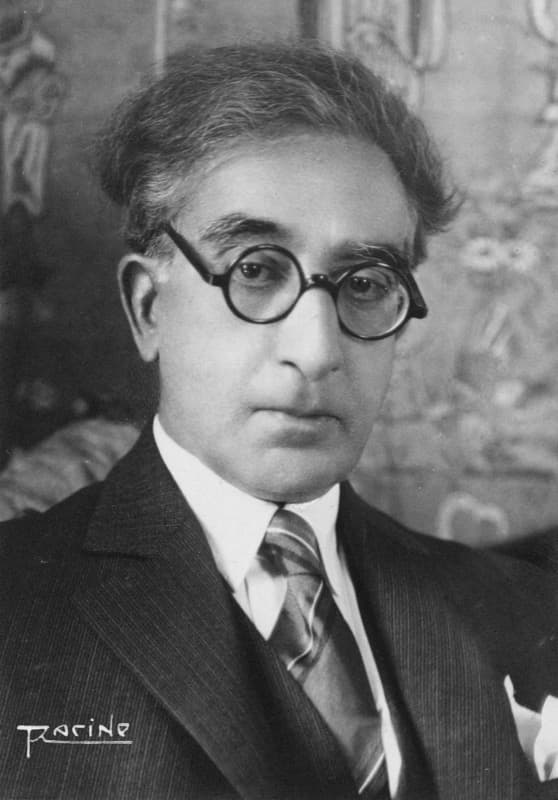
Cavafy makes his own poem out of Homer's voyage, telling the traveller to hope the road is long, the same thrill of discovery Keats felt opening Chapman.
£1.99
About the book
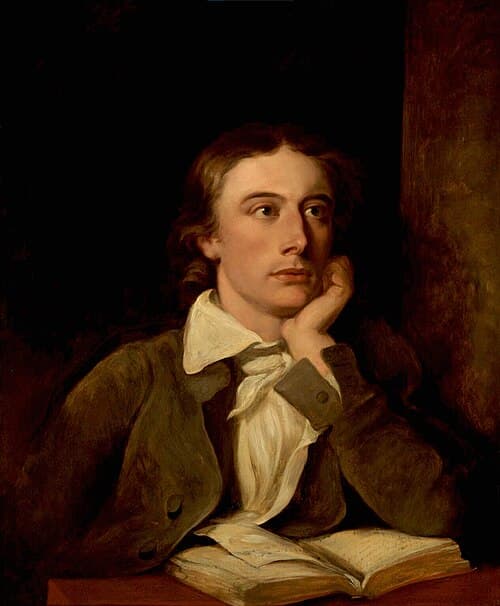
"Much have I travell'd in the realms of gold," the sonnet begins, and the traveller is a twenty-year-old medical student who has no Greek. One autumn night Keats sat up with his friend Charles Cowden Clarke, reading George Chapman's Elizabethan Homer aloud until daybreak and shouting with delight at the passages that thundered. He walked home through the sleeping streets of London, and by ten that morning the finished sonnet was waiting on Clarke's breakfast table. Fourteen lines hold the whole shock of it. Homer, whom Keats had known only in Pope's polished couplets, suddenly speaks "out loud and bold," and the reader becomes an astronomer watching a new planet swim into his ken, then an explorer on a peak in Darien, gazing at the Pacific for the first time. That the poem names the wrong conquistador does not matter in the least. The silence of those men, looking at each other "with a wild surmise," is the truest picture ever made of a book opening the world.