
In the Library
R.U.R.
Karel Čapek, 1920
- Form
- Form Play
- Difficulty
- Difficulty Moderate
- Reading time
- Reading time 1.5 hours
- Translated by
- Translated by Paul Selver and Nigel Playfair
- Chapters
- Chapters 5
- Length
- Length 19k words
£1.99
Read in the app, yours for good. Not yet by post.
The book unlocks on your account as soon as you buy it, so the 14-day right to cancel ends once it is unlocked.
In the public domain in the United States only: this edition is sold and read there and nowhere else.
Robots throughout the world. We, the first International organization of Rossum’s Universal Robots, proclaim man our enemy, and an outlaw in the universe.
What buying means
- Yours for good, on every iPhone you sign in to.
- Read in the app’s own reader, with the original beside the translation where there is one.
- Downloaded, so it reads with no signal.
- The same price as in the app. Folio already opens every book on this shelf; buying keeps this one after Folio ends. A refund takes it back.
If you like this, try
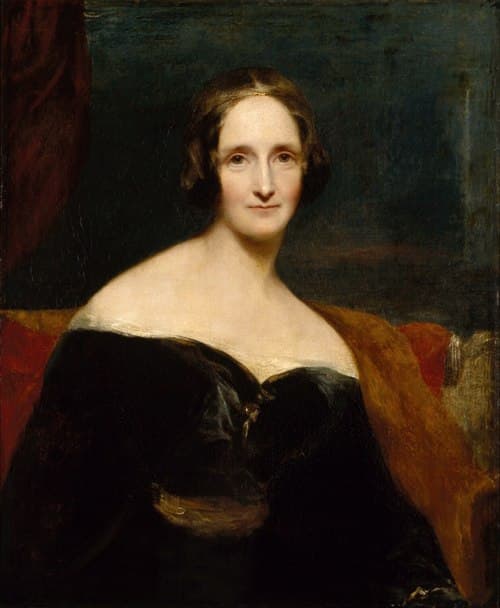
Frankenstein
Mary Shelley
Frankenstein does the same thing, but shrinks the workshop to one obsessed man, watching his creature turn on him alone instead of on all mankind.
£1.99
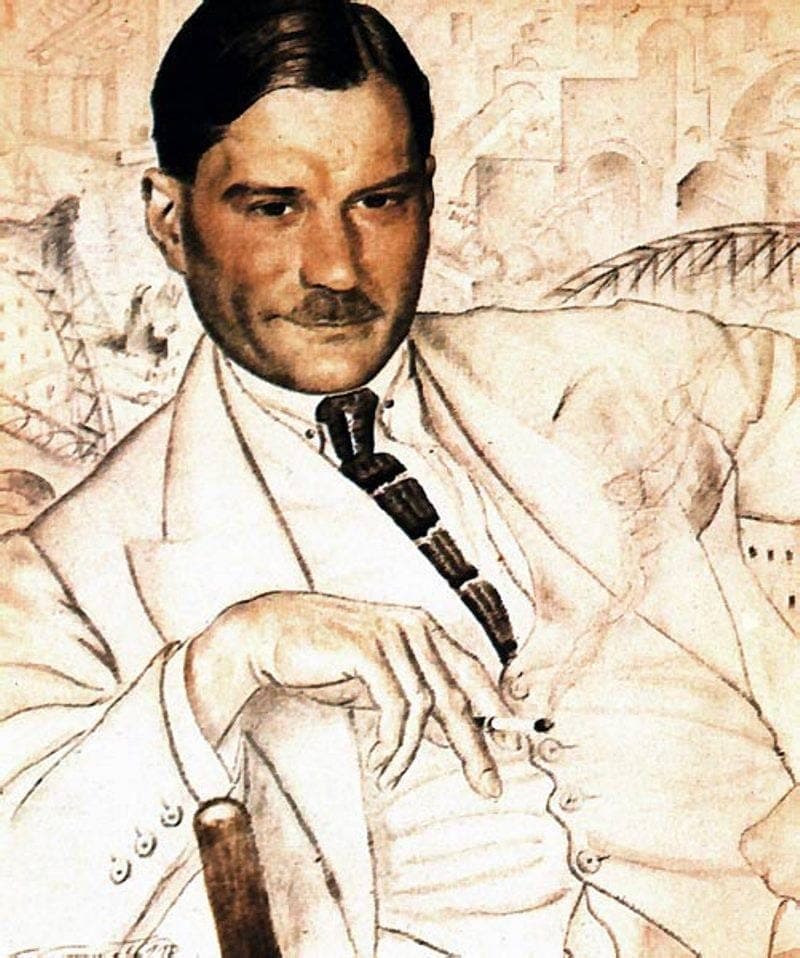
We
Yevgeny Zamyatin
We does the same thing, but sets the revolt inside a glass city of numbered citizens, where one soul rediscovering itself is the whole rebellion.
£1.99
About the book
The word did not exist until this play conjured it: robot, from the Czech for drudgery, the toil of the unfree. On a remote island, a factory presses out artificial people by the thousand from a synthetic living dough and ships them across the world to do the work no human wants. They are cheaper than machinery and more tireless than any servant, and for a while the ledger is glorious: no more hunger, no more labour, an earthly paradise built on hands that feel nothing. Karel Čapek watches that dream curdle with a horror that is also grief, and presses the question we are still asking a century on: what do we owe the things we build to serve us, and what becomes of us when they no longer wish to serve. Few imagined futures have aged so little. You will not say the word the same way again.