

In the Library
Rashomon
Ryunosuke Akutagawa, 1915
- Form
- Form Short Story
- Difficulty
- Difficulty Accessible
- Reading time
- Reading time 10 minutes
- Translated by
- Translated by Takashi Kojima (1952)
- Original
- Original ja
- Chapters
- Chapters 1
- Length
- Length 2k words
£1.99
Read in the app, yours for good. Not yet by post.
The book unlocks on your account as soon as you buy it, so the 14-day right to cancel ends once it is unlocked.
In the public domain in the United States only: this edition is sold and read there and nowhere else.
It was a chilly evening. A servant of a samurai stood under the Rashōmon, waiting for a break in the rain.
What buying means
- Yours for good, on every iPhone you sign in to.
- Read in the app’s own reader, with the original beside the translation where there is one.
- Downloaded, so it reads with no signal.
- The same price as in the app. Folio already opens every book on this shelf; buying keeps this one after Folio ends. A refund takes it back.
If you like this, try
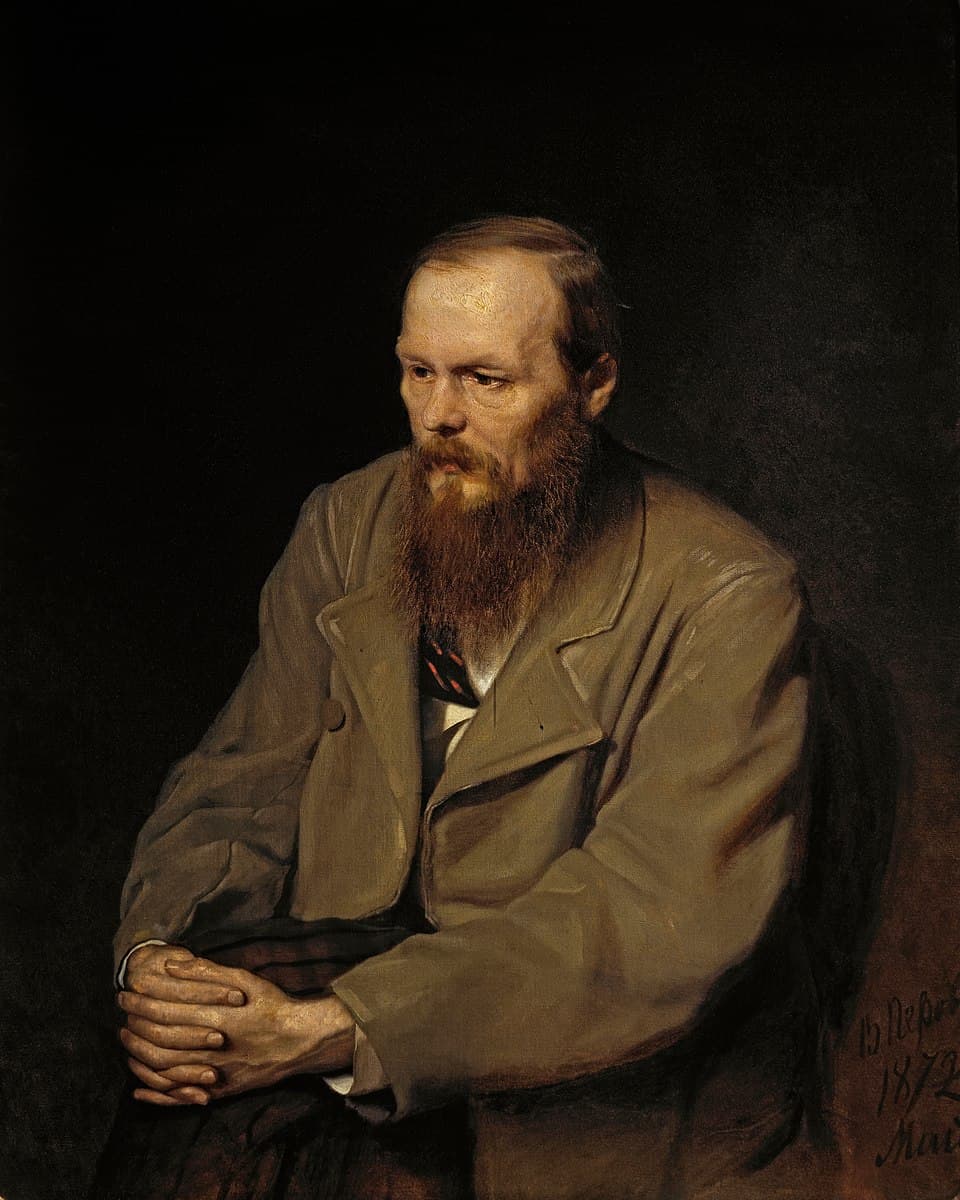
Crime and Punishment
Fyodor Dostoevsky
_Crime and Punishment_ does the same thing, but over hundreds of pages: a poor man reasons his way toward a terrible act and must live with the argument.
Free in the app
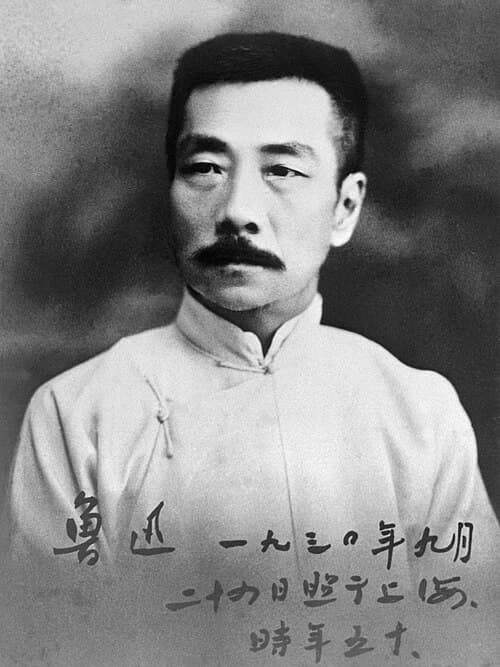
A Madman's Diary
Lu Xun
Lu Xun's _A Madman's Diary_ does the same thing, but in a modern East Asian voice: a short, sharp tale that exposes the cruelty hidden in ordinary survival.
£1.99
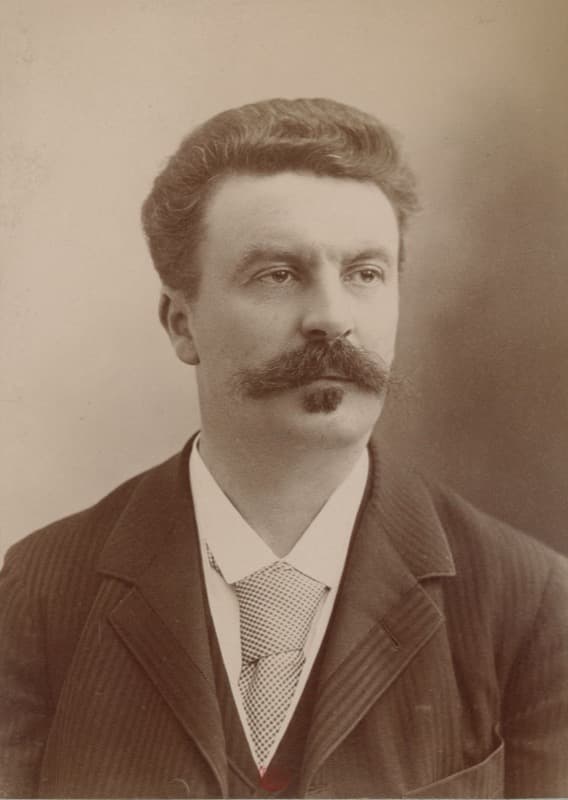
Boule de Suif
Guy de Maupassant
_Boule de Suif_ does the same thing, but in a French coach in wartime: respectable people reveal how quickly principle bends when hunger and fear arrive.
£1.99
About the book
Rain falls on the great gate of Kyoto, which has gone to ruin: foxes and thieves live in it now, and the city has taken to leaving its unclaimed dead in the tower above. Beneath it a dismissed servant sits fingering the pimple on his cheek, trying to choose between starving honestly and living as a thief, and finding he has the nerve for neither. Then a light flickers upstairs. Among the corpses an old woman is pulling the long hair, strand by strand, from a dead woman's head to sell for wigs, and her defence is worse than the deed: the dead woman, she says, sold chopped snake to the palace guards as dried fish, so she would surely understand. Akutagawa was a student of twenty-three when he wrote it, and in a handful of pages he lets a whole moral order crumble like the gate. Watch the servant's righteous fury curdle as he listens, because the most frightening thing in the story is how reasonable she sounds, and how quickly a conscience can change with the weather.