
In the Library
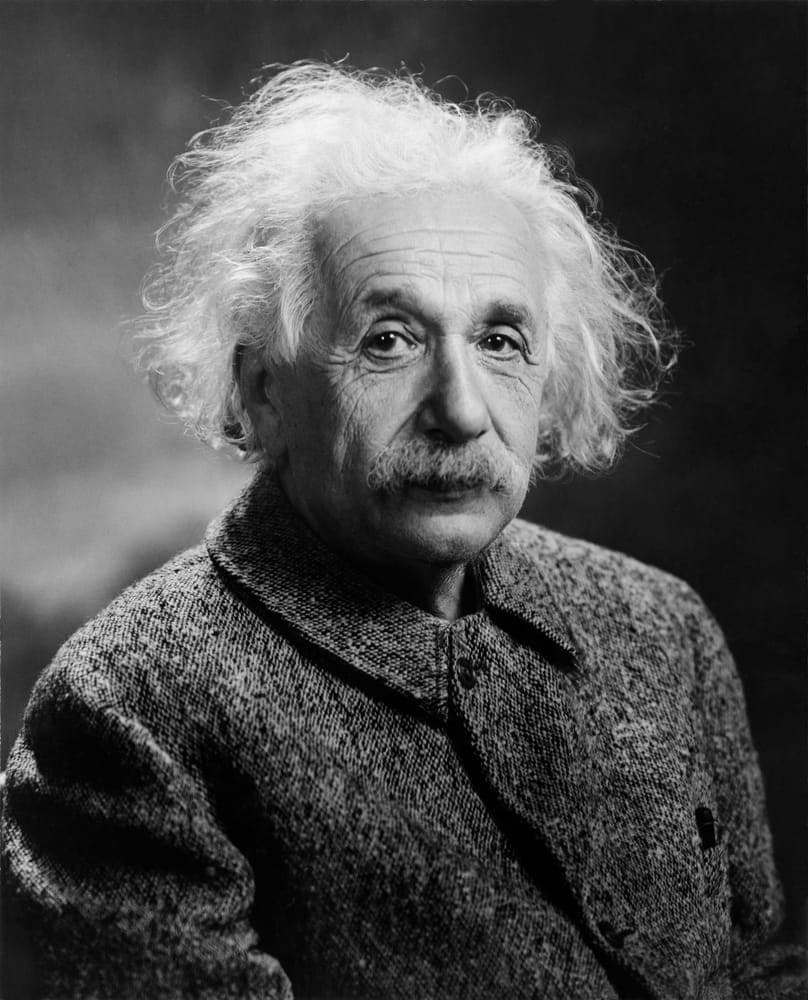
Relativity
Albert Einstein, 1916
- Form
- Form Philosophy
- Difficulty
- Difficulty Demanding
- Reading time
- Reading time 2 hours
- Translated by
- Translated by Robert W. Lawson
- Chapters
- Chapters 37
- Length
- Length 31k words
£1.99
Read in the app, yours for good. Not yet by post.
The book unlocks on your account as soon as you buy it, so the 14-day right to cancel ends once it is unlocked.
Events which are simultaneous with reference to the embankment are not simultaneous with respect to the train, and vice versa.
What buying means
- Yours for good, on every iPhone you sign in to.
- Read in the app’s own reader, with the original beside the translation where there is one.
- Downloaded, so it reads with no signal.
- The same price as in the app. Folio already opens every book on this shelf; buying keeps this one after Folio ends. A refund takes it back.
If you like this, try
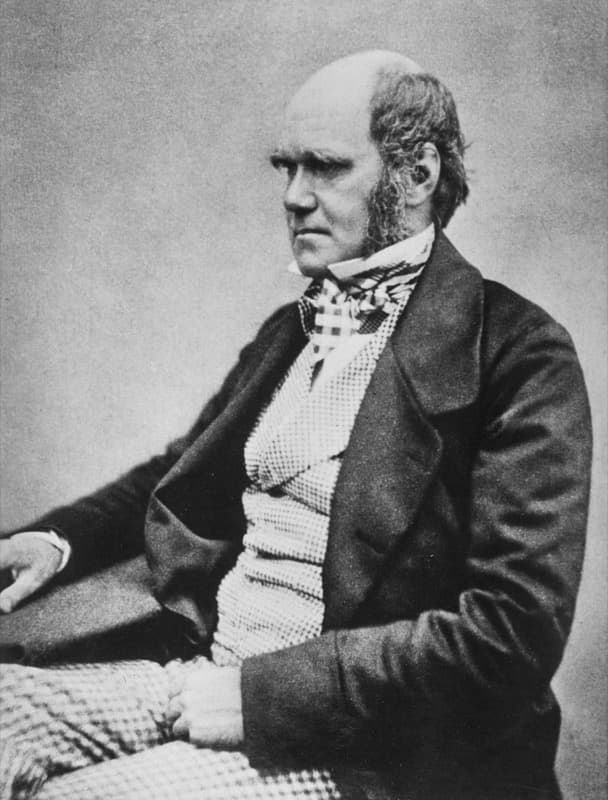
On the Origin of Species
Charles Darwin
Darwin does the same thing for biology, building an entire scientific revolution from careful, patient argument a layperson can actually follow page by page.
£1.99
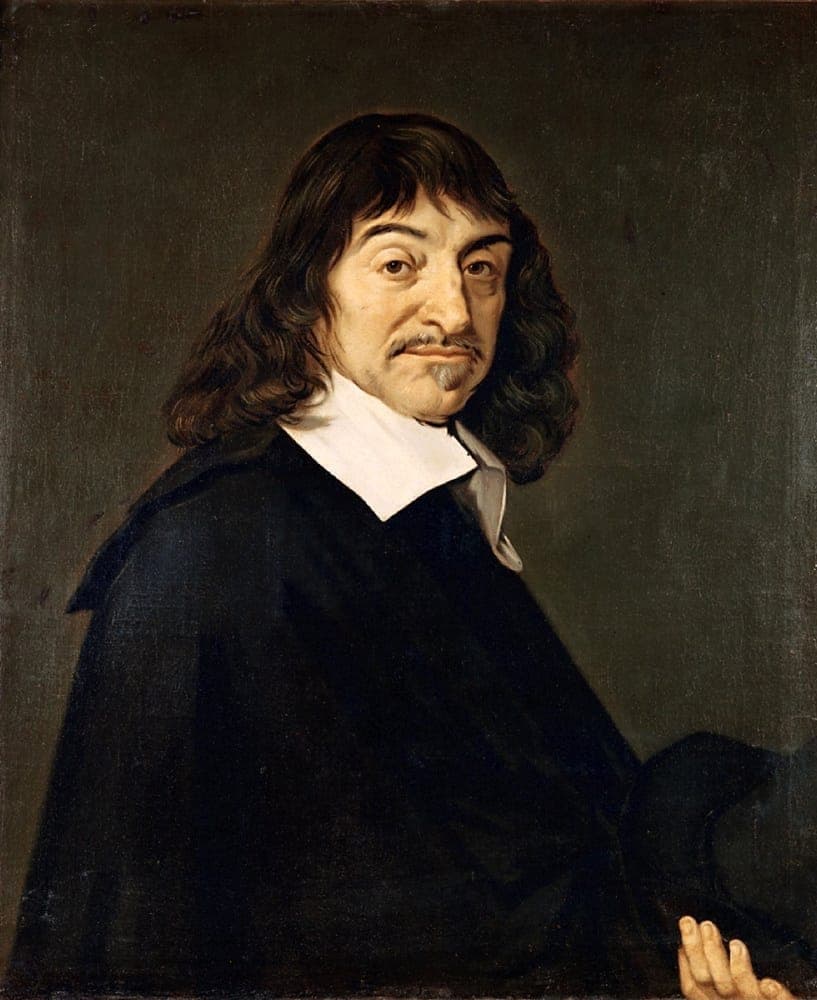
Discourse on Method
Rene Descartes
Descartes wrote his method in plain French rather than Latin so any reasonable reader could follow it, the same invitation Einstein extends to a reader without the mathematics.
£1.99
About the book
Two bolts of lightning strike a railway embankment at once, or so a man on the platform would swear. To a passenger speeding past in a train, they do not strike together at all. Albert Einstein built this scene to show an ordinary reader exactly where the old idea of time breaks down: there is no single clock for the universe, only clocks that agree or disagree depending on how fast each is moving relative to the other. He wrote Relativity to walk that reader, by hand, from the platform and the train to the strangest claim of his career, that gravity is not a force but the curve of space itself, bent by every mass within it, so a falling apple and an orbiting planet follow the same bent road. Few scientists have tried, let alone managed, to hand a reader their own revolution in plain sentences. Finish it and the night sky stops being a backdrop and becomes what it is: a fabric, warped by every star in it, including the one underfoot.