
In the Library
Sir Gawain and the Green Knight
Unknown, 1400
- Form
- Form Poem
- Difficulty
- Difficulty Moderate
- Reading time
- Reading time 1.5 hours
- Translated by
- Translated by William Allan Neilson (1917)
- Original
- Original enm
- Chapters
- Chapters 4
- Length
- Length 21k words
£1.99
Read in the app, yours for good. Not yet by post.
The book unlocks on your account as soon as you buy it, so the 14-day right to cancel ends once it is unlocked.
Cursed be cowardice and covetousness both! In you is villainy and vice, that destroy virtue.
What buying means
- Yours for good, on every iPhone you sign in to.
- Read in the app’s own reader, with the original beside the translation where there is one.
- Downloaded, so it reads with no signal.
- The same price as in the app. Folio already opens every book on this shelf; buying keeps this one after Folio ends. A refund takes it back.
If you like this, try
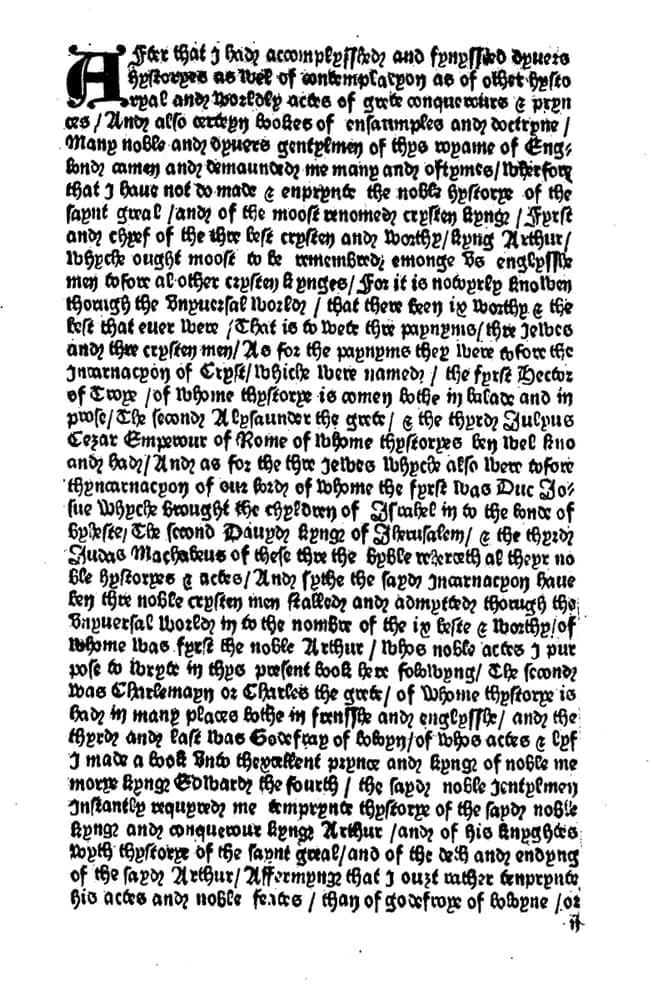
Le Morte d'Arthur
Thomas Malory
_Le Morte d'Arthur_ tells of the same Round Table and the same Gawain, but as a long prose chronicle where this poem gives one perfect adventure.
£1.99
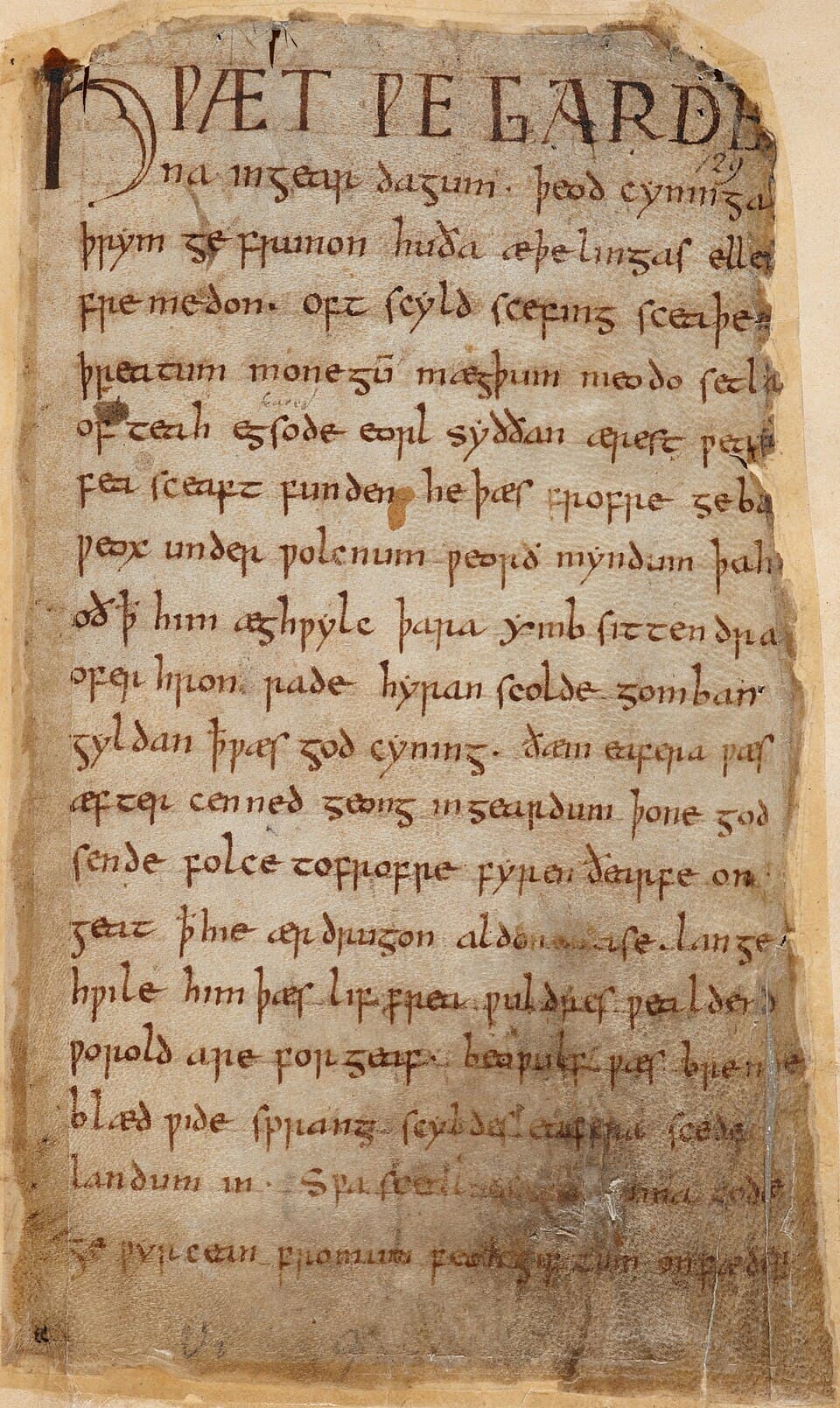
Beowulf
Anonymous
_Beowulf_ does the same thing, an anonymous alliterative poem in an older English where a hero meets a monster, but it stays with battle where this one turns on honour.
£1.99
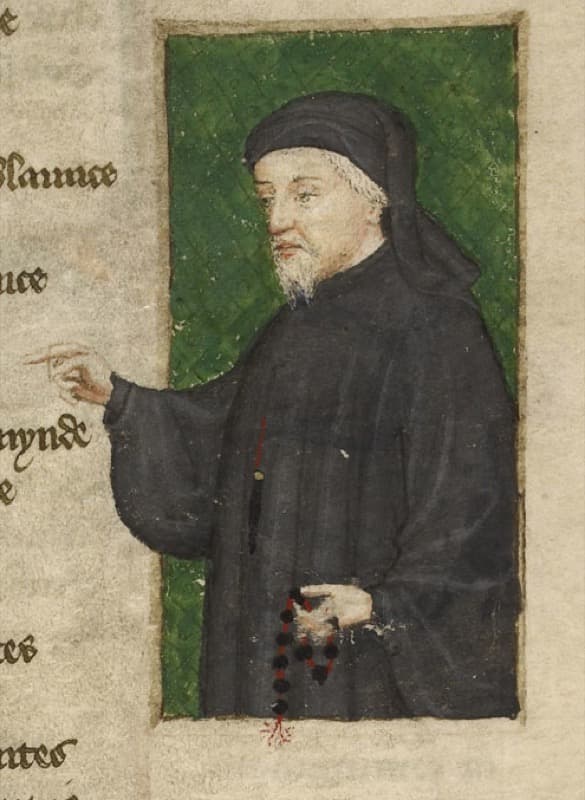
The Canterbury Tales
Geoffrey Chaucer
Chaucer's _Canterbury Tales_ does the same thing for the later fourteenth century, but its humour is worldly and talkative where this poem is courtly and strange.
£1.99
About the book
The head rolls among the feet of Arthur's court, and the headless body strides after it, lifts it by the hair, and turns its face toward the high table. Then the eyelids open and it speaks. So begins the strangest bargain in English poetry: a giant green from beard to boots, on a green horse, has offered his neck at Christmas on condition that whoever strikes it will kneel for the return blow in a year and a day. Gawain, the most courteous of Arthur's knights, takes up the axe. What follows is a lonely ride through a frozen wilderness, a castle full of firelight, a host who proposes a game of exchanged winnings, and a lady who comes to Gawain's bedside three mornings running. The verse is alliterative and thick with hard northern consonants, so you hear sleet on rock and, at last, a blade being ground on a stone somewhere out of sight. Beneath the enchantment lies a question that cuts close to the bone: how good is a good man when he badly wants to live?