
In the Library
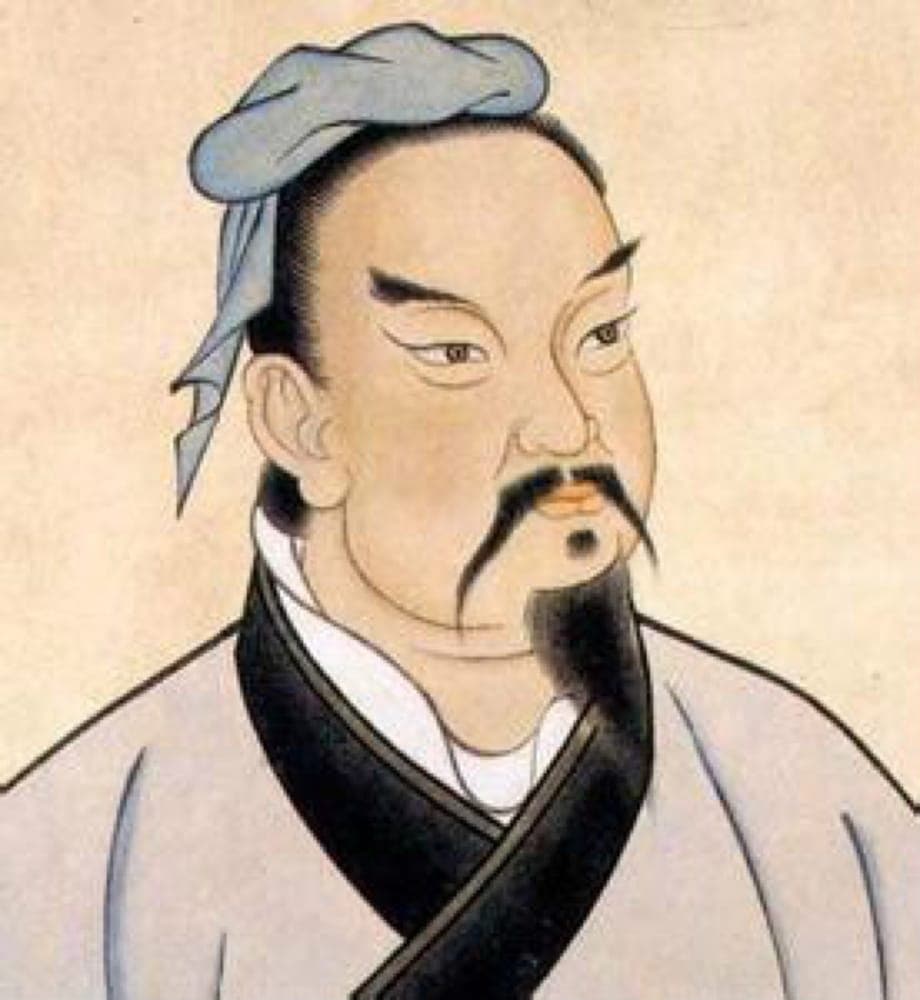
The Art of War
Sun Tzu, 1910
- Form
- Form Philosophy
- Difficulty
- Difficulty Moderate
- Reading time
- Reading time 45 minutes
- Translated by
- Translated by Lionel Giles
- Chapters
- Chapters 13
- Length
- Length 10k words
£1.99
Read in the app, yours for good. Not yet by post.
The book unlocks on your account as soon as you buy it, so the 14-day right to cancel ends once it is unlocked.
Hence to fight and conquer in all your battles is not supreme excellence; supreme excellence consists in breaking the enemy’s resistance without fighting.
What buying means
- Yours for good, on every iPhone you sign in to.
- Read in the app’s own reader, with the original beside the translation where there is one.
- Downloaded, so it reads with no signal.
- The same price as in the app. Folio already opens every book on this shelf; buying keeps this one after Folio ends. A refund takes it back.
If you like this, try
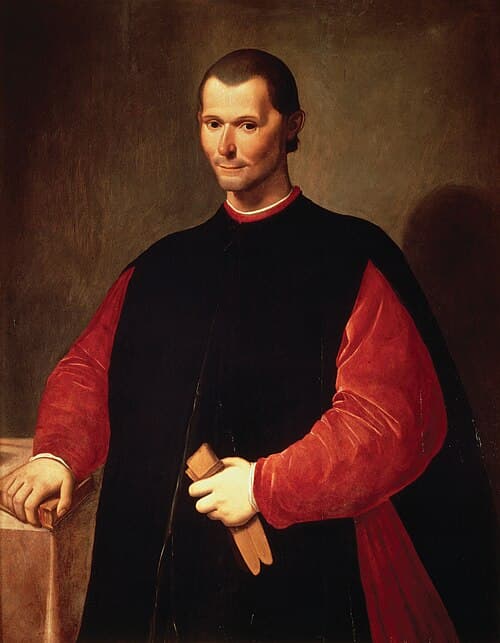
The Prince
Niccolò Machiavelli
Machiavelli's handbook for rulers does the same thing, but trades the battlefield for the court, turning cold calculation into the whole art of holding power.
£1.99
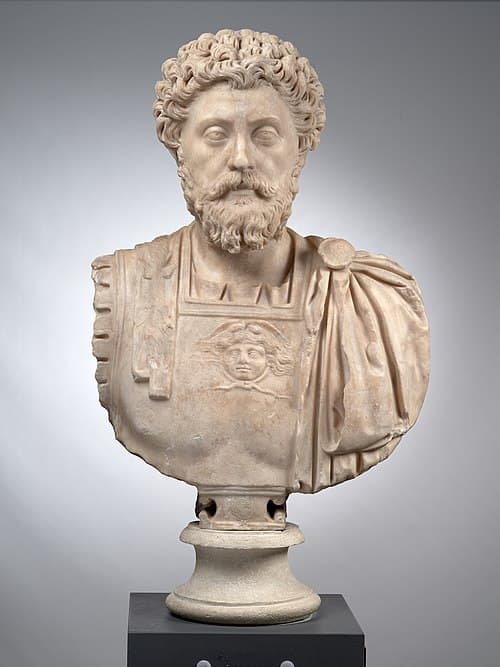
Meditations
Marcus Aurelius
Marcus Aurelius does the same thing, but turns the discipline inward, drilling a mind for calm command instead of an army for victory.
£1.99
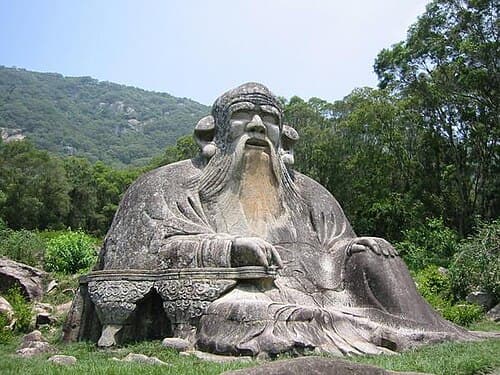
The Tao Te Ching
Laozi
Laozi does the same thing, but the strategy dissolves into stillness, teaching that yielding and emptiness win where force and cunning cannot.
£1.99
About the book
A general stands before his sovereign and explains that the highest victory is the one secured without battle, the enemy defeated before the first arrow flies. Sun Tzu, the semi-legendary military strategist of the Warring States period, set down this treatise in thirteen terse chapters around the fifth century BCE, each devoted to one facet of conflict: terrain, espionage, deception, the use of fire, the moral weight a commander must carry. The text reads as aphorism honed to the bone: know yourself and know your enemy and you will not be imperiled in a hundred battles. Generals, executives, and chess players have all claimed it. Its insight is older than any of them: war begins long before the field.