
In the Library
The Charterhouse of Parma
Stendhal, 1839
- Form
- Form Novel
- Difficulty
- Difficulty Demanding
- Reading time
- Reading time 14 hours
- Translated by
- Translated by C. K. Scott Moncrieff
- Chapters
- Chapters 29
- Length
- Length 200k words
£1.99
Read in the app, yours for good. Not yet by post.
The book unlocks on your account as soon as you buy it, so the 14-day right to cancel ends once it is unlocked.
But is this a real battle?
What buying means
- Yours for good, on every iPhone you sign in to.
- Read in the app’s own reader, with the original beside the translation where there is one.
- Downloaded, so it reads with no signal.
- The same price as in the app. Folio already opens every book on this shelf; buying keeps this one after Folio ends. A refund takes it back.
If you like this, try
The Red and the Black
Stendhal
Julien Sorel schemes and dreams his way up through the same corrupt world of Restoration France, but where Julien calculates every move, Fabrice simply stumbles into fortune and disaster alike.
£1.99
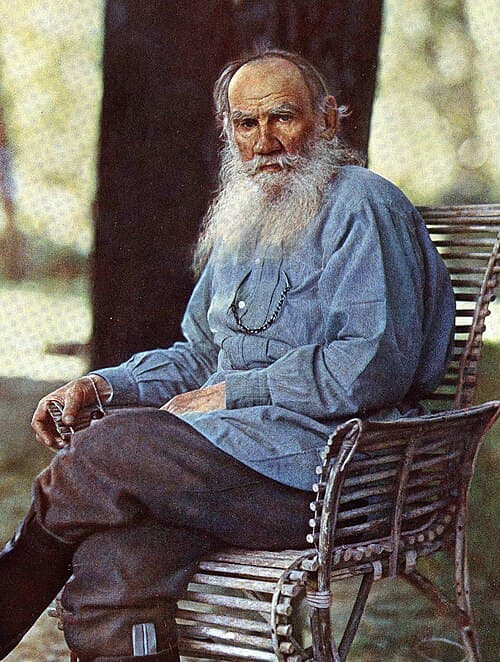
War and Peace
Leo Tolstoy
Pierre Bezukhov wanders the same fog of chaos and gunsmoke onto a Napoleonic battlefield, but Tolstoy openly credited Stendhal's Waterloo for teaching him how to write it.
£1.99
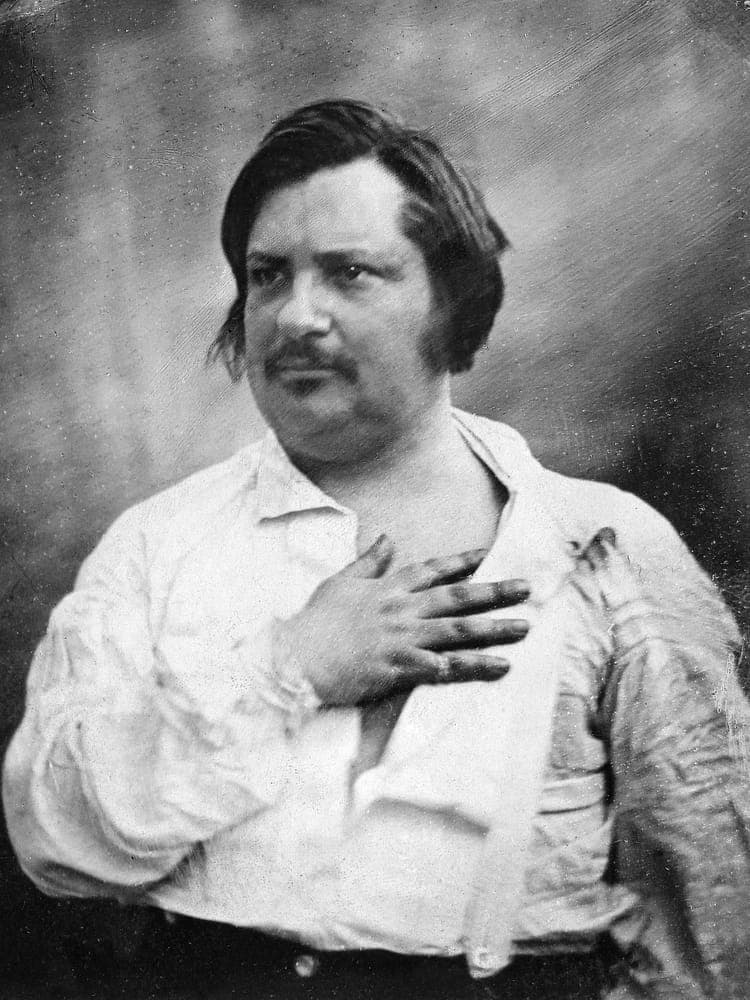
Lost Illusions
Honoré de Balzac
Lucien de Rubempré chases the same glittering, corrupting world of ambition and reinvention, but where Lucien is broken by Paris, Fabrice finds his happiness inside a prison cell.
£1.99
About the book
Fabrice del Dongo gallops across the field at Waterloo in 1815, dazzled and useless, asking strangers whether the smoke and noise around him are in fact a battle. Stendhal dictated this novel to a copyist over fifty-two days in late 1838, and it appeared in 1839, the last great work he would publish in his lifetime. The young Italian aristocrat blunders his way through Napoleonic Europe, falls in love with his aunt the Duchess Sanseverina, schemes alongside the unctuous Count Mosca, and ends imprisoned in the Farnese Tower above Parma. From a high cell he conducts a courtship by signal-lamp with his jailer's daughter Clélia, and discovers that captivity is the first condition of his happiness. The whole novel runs at the speed of its dictation: vertiginous, careless, sublime.