
In the Library
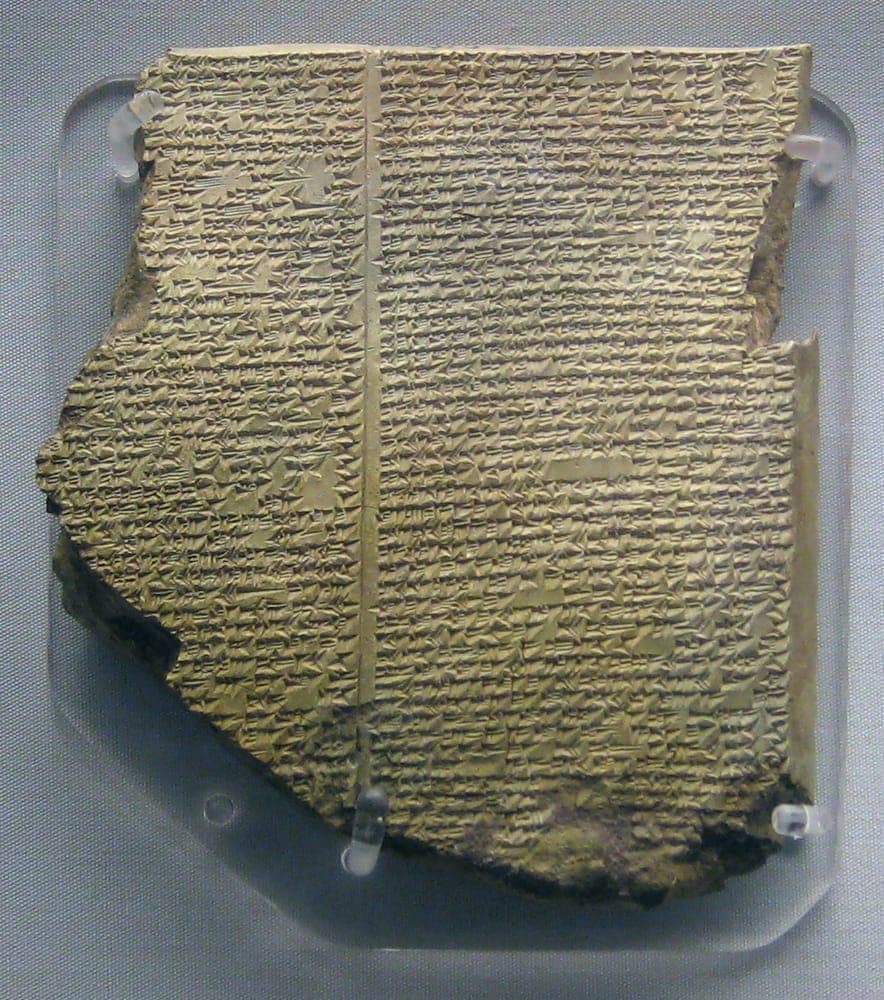
The Epic of Gilgamesh
Anonymous, 1928
- Form
- Form Poem
- Difficulty
- Difficulty Accessible
- Reading time
- Reading time 1.5 hours
- Translated by
- Translated by R. Campbell Thompson (1928)
- Chapters
- Chapters 12
- Length
- Length 19k words
£1.99
Read in the app, yours for good. Not yet by post.
The book unlocks on your account as soon as you buy it, so the 14-day right to cancel ends once it is unlocked.
He who has seen everything, I will make known to the lands.
What buying means
- Yours for good, on every iPhone you sign in to.
- Read in the app’s own reader, with the original beside the translation where there is one.
- Downloaded, so it reads with no signal.
- The same price as in the app. Folio already opens every book on this shelf; buying keeps this one after Folio ends. A refund takes it back.
If you like this, try
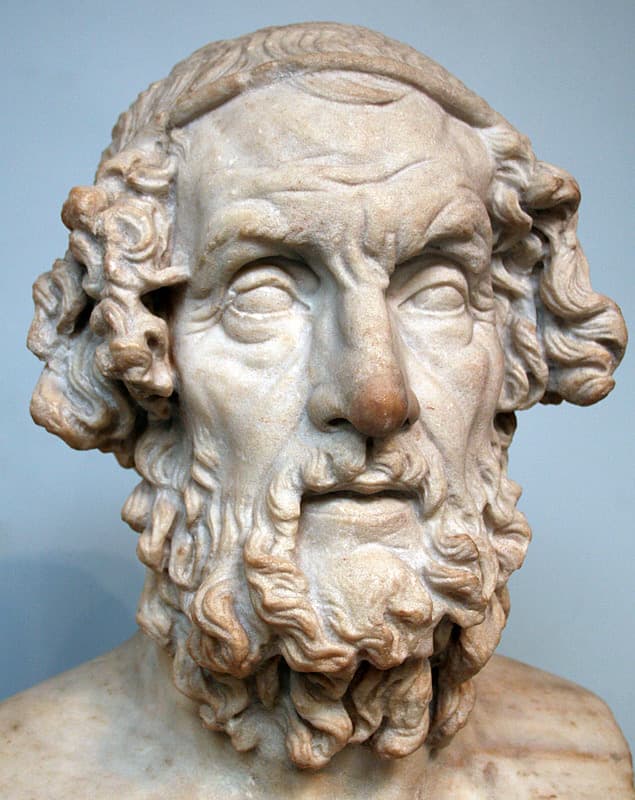
The Iliad
Homer
Homer wrote the next great epic of war and grief, and Achilles mourns Patroclus the way Gilgamesh mourns Enkidu.
£1.99
The Odyssey
Homer
Homer's hero makes the same journey home that Gilgamesh cannot complete, and the sea replaces the desert.
£1.99
Beowulf
Anonymous
Another ancient hero fights monsters and confronts mortality, and the poem carries the same weight of a world that knows it is passing.
£1.99

About the book
For seven days Gilgamesh would not bury his friend. He sat beside Enkidu's body, waiting for him to wake, and only when a worm fell from the dead man's face did the king of Uruk understand what death was. He had been two-thirds divine, terrifying, a tyrant who took the brides of his city on their wedding nights, until the gods shaped Enkidu from clay to be his match, and the two men fought and then loved each other like brothers. Now Gilgamesh runs. He crosses the desert in lion-skins, passes the scorpion-guardians of the mountains, rows across the waters of death to reach the one man who survived the flood and was granted life without end. He even finds the plant that restores youth, falls asleep beside a pool, and lets a serpent eat it. He comes home with nothing but the walls of his city. The oldest written story in the world was already about the only thing no power can buy: more time with the people we cannot keep.