
In the Library
The Golden Ass
Apuleius, 158 CE
- Form
- Form Novel
- Difficulty
- Difficulty Moderate
- Reading time
- Reading time 5.5 hours
- Translated by
- Translated by William Adlington
- Chapters
- Chapters 49
- Length
- Length 78k words
£1.99
Read in the app, yours for good. Not yet by post.
The book unlocks on your account as soon as you buy it, so the 14-day right to cancel ends once it is unlocked.
I perceived that I was no bird, but a plain ass.
What buying means
- Yours for good, on every iPhone you sign in to.
- Read in the app’s own reader, with the original beside the translation where there is one.
- Downloaded, so it reads with no signal.
- The same price as in the app. Folio already opens every book on this shelf; buying keeps this one after Folio ends. A refund takes it back.
If you like this, try
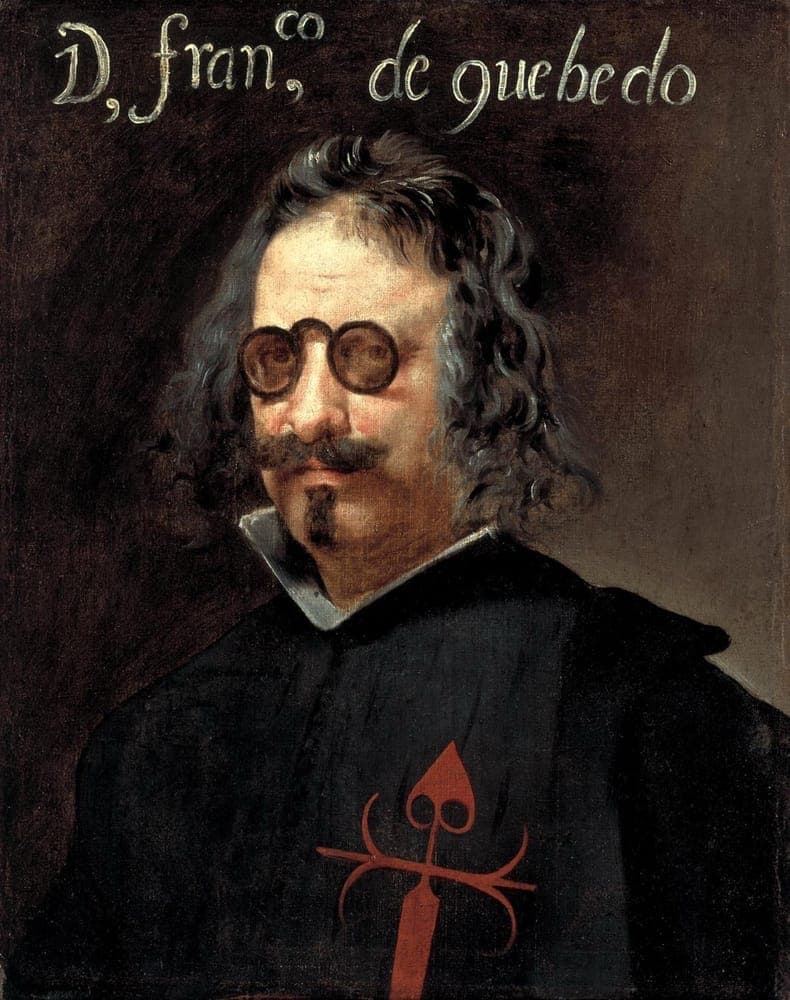
Pablo de Segovia, the Spanish Sharper
Francisco de Quevedo
Quevedo's Pablos stumbles from master to master through a world of cheats, thieves and frauds, the picaresque road that Lucius first walked on four hooves.
£1.99
Metamorphoses
Ovid
Ovid does the same thing, but turns his humans into trees and birds and stars instead of donkeys, and never lets one of them talk back.
£1.99
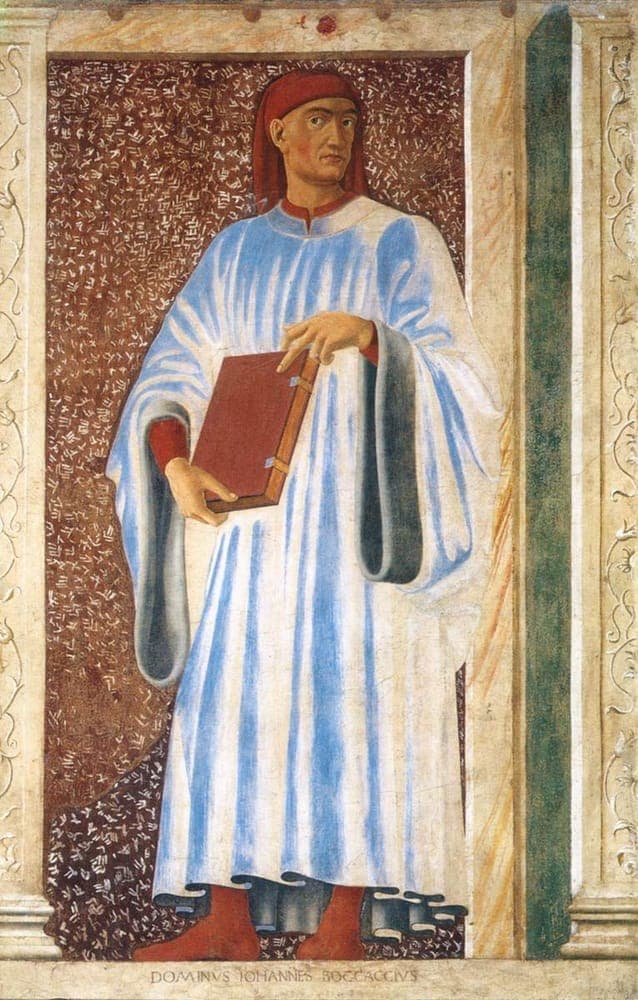
The Decameron
Giovanni Boccaccio
Boccaccio does the same thing, but with a plague outside the door, and he lifted two of his hundred tales straight out of Apuleius.
£1.99

About the book
A young Greek nobleman, traveling in Thessaly and morbidly curious about witchcraft, rubs himself with the wrong ointment and finds himself transformed into a donkey. Apuleius composed this picaresque novel in Latin around the year 158, and it is the only Roman novel to survive entire from antiquity. Lucius passes from cruel master to crueller, overhearing the inset tale of Cupid and Psyche from a drunken old woman in a robbers' cave, witnessing brutalities and absurdities he can no longer report in his hooved and braying new shape. Only the goddess Isis, rising from the sea by moonlight at the festival of her ship, consents at last to restore him. The man returns wiser; the donkey, the novel insists, was always inside him.