
In the Library
The Kalevala
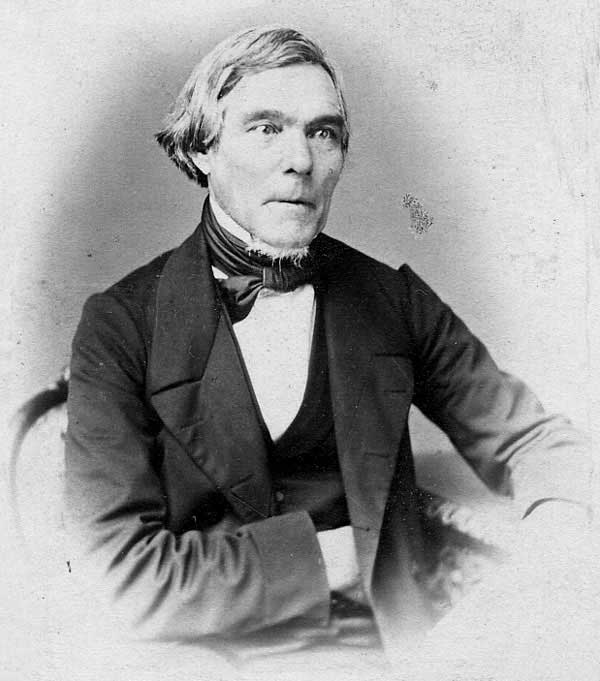
Elias Lönnrot, 1835
- Form
- Form Poem
- Difficulty
- Difficulty Moderate
- Reading time
- Reading time 10 hours
- Translated by
- Translated by W. F. Kirby (1907)
- Chapters
- Chapters 50
- Length
- Length 140k words
£1.99
Read in the app, yours for good. Not yet by post.
The book unlocks on your account as soon as you buy it, so the 14-day right to cancel ends once it is unlocked.
I am driven by my longing, And my understanding urges That I should commence my singing; And begin my recitation.
What buying means
- Yours for good, on every iPhone you sign in to.
- Read in the app’s own reader, with the original beside the translation where there is one.
- Downloaded, so it reads with no signal.
- The same price as in the app. Folio already opens every book on this shelf; buying keeps this one after Folio ends. A refund takes it back.
If you like this, try
Beowulf
Anonymous
Beowulf also sets an ancient hero's strength against monsters in a northern world of song and ritual, but the Kalevala wins its battles with spells and singing instead of swords.
£1.99
The Epic of Gilgamesh
Anonymous
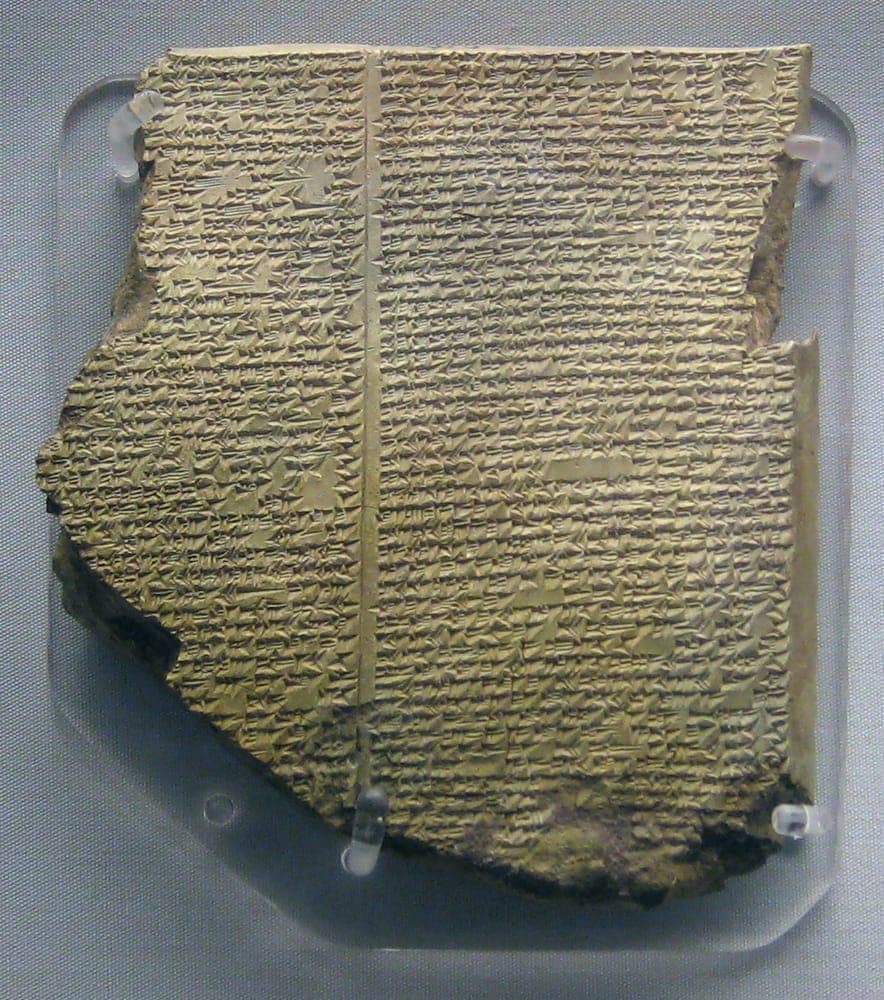
Gilgamesh also gathers a people's oldest stories into one epic of heroes, gods and a lost wonder, but the Kalevala is built from folk songs that were still being sung.
£1.99
Ramayana
Valmiki
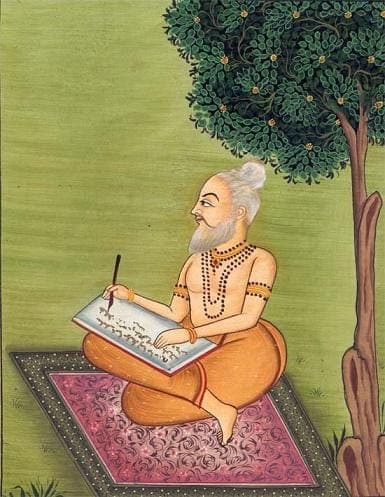
The Ramayana also takes a living oral tradition and sets it down as a hero's journey through wedding quests and a stolen treasure, but the Kalevala keeps the rhythm of the rune song.
£1.99

About the book
Two singers sit knee to knee, hands clasped, rocking forward and back as they trade lines of a song older than memory. Elias Lönnrot, a country doctor, walked the forests of Karelia to hear them, writing down thousands of verses before those voices fell silent, then stitched them into one epic for a people who had never been handed one. Here the world begins when a teal nests on the knee of the Air's daughter, adrift on the sea, and her broken eggs become earth and sky, sun and moon. The sage Väinämöinen is born already old and sings a boastful rival into a swamp. A mother rakes the black river of death for the pieces of her son and sews him whole again. Under all of it runs the rocking eight-syllable chant, steady as oars, a sound that fed Sibelius for a lifetime and gave Tolkien the doomed Kullervo. To read it is to hear a nation singing itself into being, one remembered line at a time.