
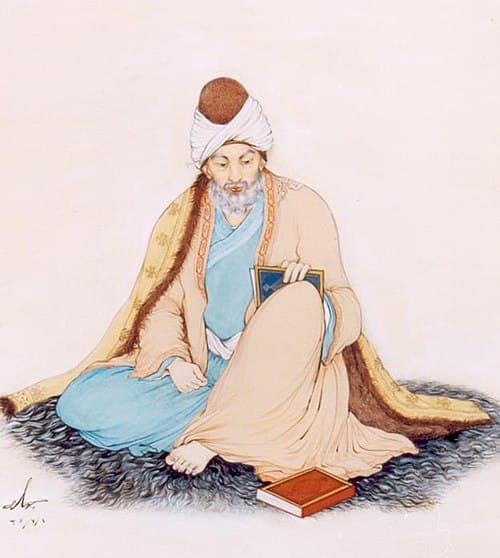
In the Library
The Masnavi
Rumi, 1273
- Form
- Form Poem
- Difficulty
- Difficulty Moderate
- Reading time
- Reading time 5.5 hours
- Translated by
- Translated by James W. Redhouse (1881, Book I of 6 — partial)
- Chapters
- Chapters 18
- Length
- Length 76k words
£1.99
Read in the app, yours for good. Not yet by post.
The book unlocks on your account as soon as you buy it, so the 14-day right to cancel ends once it is unlocked.
From reed-flute hear what tale it tells; what plaint it makes of absence' ills.
What buying means
- Yours for good, on every iPhone you sign in to.
- Read in the app’s own reader, with the original beside the translation where there is one.
- Downloaded, so it reads with no signal.
- The same price as in the app. Folio already opens every book on this shelf; buying keeps this one after Folio ends. A refund takes it back.
If you like this, try
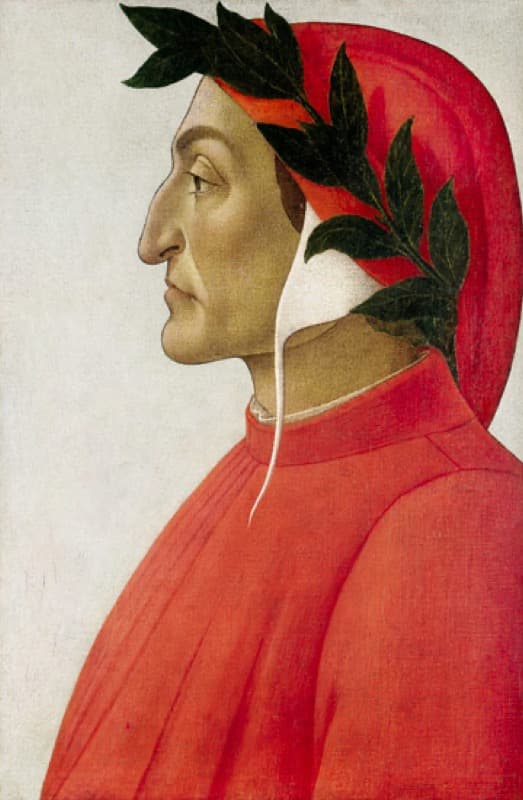
The Divine Comedy
Dante Alighieri
Dante builds the same spiritual journey through nested stories, but the architecture is Gothic where Rumi's is arabesque.
£1.99
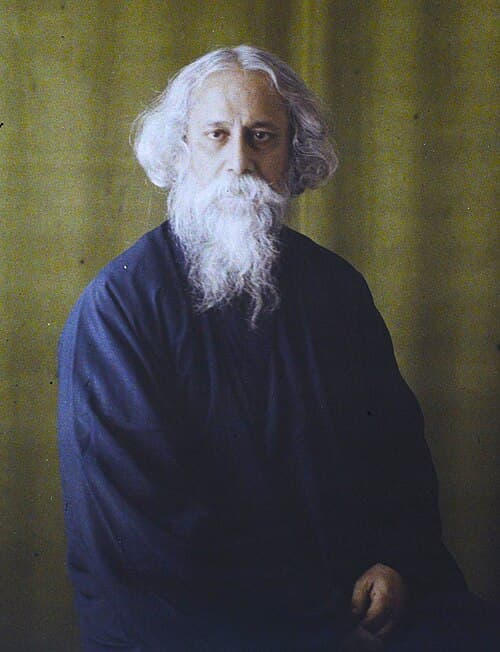
Gitanjali
Rabindranath Tagore
Tagore sings the same devotional ecstasy, but the Ganges replaces the desert and the songs are shorter.
£1.99
The Divan of Hafez
Hafez
Hafez sings the same Persian longing for the Beloved, wine and roses standing in for God, in ghazals where Rumi tells stories.
£1.99

About the book
Listen to the reed, Rumi begins, and the whole poem follows from that command: a length of cane, carved from the marsh and hollowed out, wails because it remembers the bed it was torn from. That cry is you. The Masnavi understands the human ache as homesickness for God, the soul severed from its origin and singing all its life to get back. Across six books and some twenty-five thousand couplets, dictated aloud as Rumi walked, turned, and wept, his student Husam al-Din racing to catch each line, the poem never explains its mysticism; it enacts it. A tale of a king and a slave-girl breaks off into a tale of a grocer and a parrot, which dissolves into pure prayer, then doubles back, because a soul reaching for the divine never moves in a straight line. There is no last word that resolves it, only the reed still sounding, and a longing that, the deeper it goes unanswered, somehow draws you nearer to its source.