
In the Library
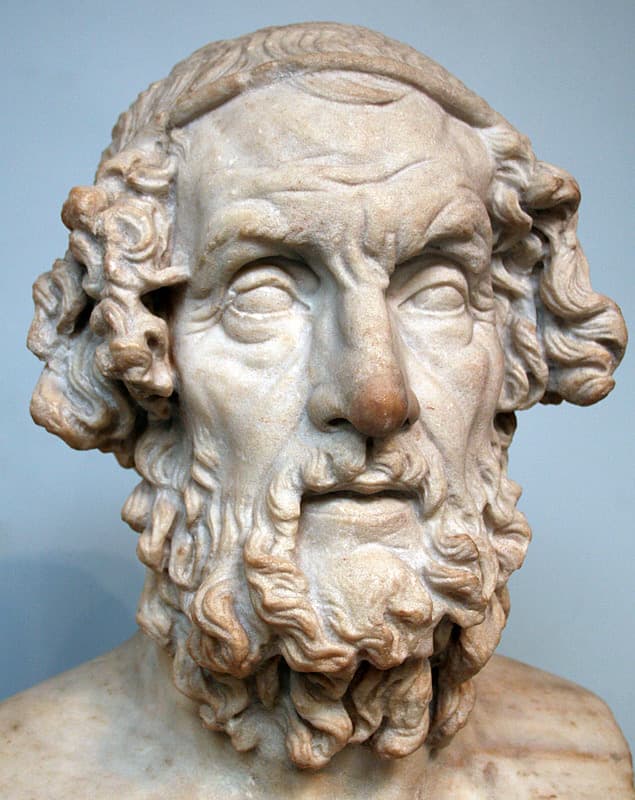
The Odyssey
Homer, 1900
- Form
- Form Poem
- Difficulty
- Difficulty Moderate
- Reading time
- Reading time 8.5 hours
- Translated by
- Translated by Samuel Butler
- Original
- Original grc
- Chapters
- Chapters 24
- Length
- Length 117k words
£1.99
Read in the app, yours for good. Not yet by post.
The book unlocks on your account as soon as you buy it, so the 14-day right to cancel ends once it is unlocked.
Tell me, O Muse, of that ingenious hero who travelled far and wide after he had sacked the famous town of Troy.
What buying means
- Yours for good, on every iPhone you sign in to.
- Read in the app’s own reader, with the original beside the translation where there is one.
- Downloaded, so it reads with no signal.
- The same price as in the app. Folio already opens every book on this shelf; buying keeps this one after Folio ends. A refund takes it back.
If you like this, try
Ithaka
C.P. Cavafy
Cavafy answers Homer across three millennia: pray the road is long, for Ithaka gave you the marvellous journey.
£1.99
Ulysses
James Joyce
Joyce maps Homer onto a single Dublin day and proves the epic never left us.
£1.99
The Aeneid
Virgil
Another survivor of Troy tries to get home, but Virgil lets the cost show differently.
£1.99

About the book
A goddess offers a man immortality on an island where nothing can ever harm him, and every evening he sits on the shore and weeps, staring out at the water toward a rocky little kingdom and a wife who has aged ten years without him. That refusal is the secret heart of The Odyssey: not whether Odysseus can outwit the Cyclops or sail past the Sirens, but whether an ordinary mortal life, brief and grief-prone, is worth more than never dying at all. Homer gives us not the warrior at Troy but the strategist at the end of his patience, a man who survives by thinking faster than any god expects, who even walks into the land of the dead to ask the way home. When he reaches Ithaca at last he announces nothing. He bends a bow no one else can string and kills every man who has been eating his food and courting his wife. The cunning that took Troy and the cunning that takes back a house are the same cunning, and the poem knows it.