
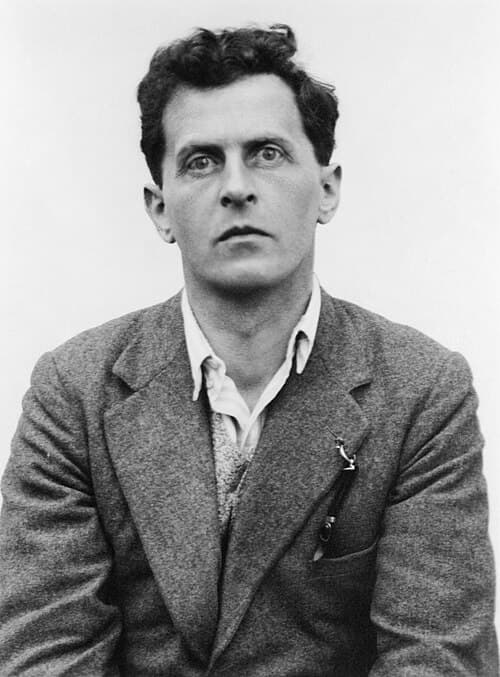
In the Library
Tractatus Logico-Philosophicus
Ludwig Wittgenstein, 1921
- Form
- Form Philosophy
- Difficulty
- Difficulty Demanding
- Reading time
- Reading time 1.5 hours
- Translated by
- Translated by C.K. Ogden (1922)
- Chapters
- Chapters 8
- Length
- Length 21k words
£1.99
Read in the app, yours for good. Not yet by post.
The book unlocks on your account as soon as you buy it, so the 14-day right to cancel ends once it is unlocked.
In the public domain in the United States only: this edition is sold and read there and nowhere else.
Whereof one cannot speak, thereof one must be silent.
What buying means
- Yours for good, on every iPhone you sign in to.
- Read in the app’s own reader, with the original beside the translation where there is one.
- Downloaded, so it reads with no signal.
- The same price as in the app. Folio already opens every book on this shelf; buying keeps this one after Folio ends. A refund takes it back.
The reading guide, in the app
How to Read Tractatus Logico-Philosophicus
A book whose title and dense decimal numbering frighten almost everyone off before they discover that the seven sentences holding the whole thing together can be read in a single sitting and understood.
The reputation of the Tractatus is that it is the hardest book in modern philosophy, a forbidding lattice of logical symbols and numbered propositions that only professional logicians can follow, and that opening it without a degree in symbolic logic is asking to be humiliated. Some of that is fair, because there genuinely are stretches of truth-table machinery and logical notation that will mean little to you on a first reading. Almost everything else about that reputation is a trick of the layout, because underneath the intimidating decimals the book is built from seven short, plain, numbered sentences that you can read in ten minutes and very nearly understand the first time through.
If you like this, try
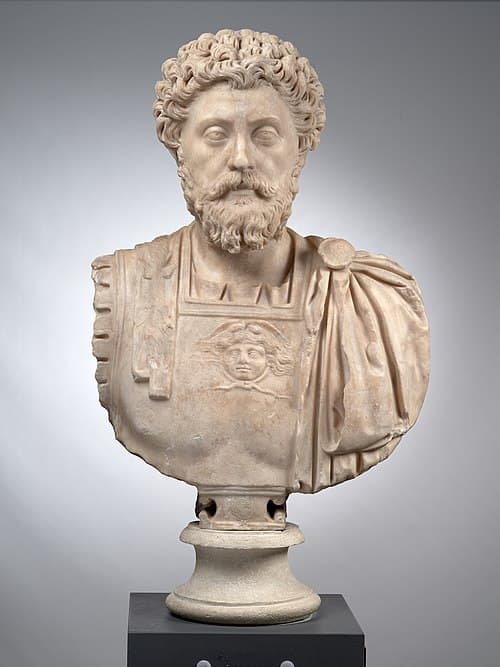
Meditations
Marcus Aurelius
Marcus Aurelius practises the same austere discipline of thought, but on a throne instead of at a desk in Cambridge.
£1.99
The Birth of Tragedy
Friedrich Nietzsche
Nietzsche tries to say the unsayable too, but through music and myth where Wittgenstein uses logic and silence.
£1.99

About the book
Seven sentences hold up the entire book, the first six branching downward into decimals like a logical tree, the seventh standing alone: whatever we cannot speak about, we must pass over in silence. Ludwig Wittgenstein worked out this architecture in notebooks he carried as a soldier through the First World War, finishing it as a prisoner of war, certain he had dissolved every genuine problem philosophy had ever posed. The pages build a theory of how a sentence pictures the world, fact answering to fact, and then press toward the border of what language can reach at all. Ethics, beauty, the meaning of a life: all of it, he insists, lives on the far side of that border, where nothing can be said and everything that matters is merely shown. Then each proposition, he tells you, is revealed as a rung; understand them and you throw the ladder away and see the world rightly. Few books ask to be climbed only to be abandoned, or make that abandonment feel like the only honest place to stand.