
In the Library
The World as Will and Representation
Arthur Schopenhauer, 1818
- Form
- Form Philosophy
- Difficulty
- Difficulty Demanding
- Reading time
- Reading time 13 hours
- Translated by
- Translated by R. B. Haldane and J. Kemp (1883)
- Original
- Original de
- Chapters
- Chapters 72
- Length
- Length 186k words
£1.99
Read in the app, yours for good. Not yet by post.
The book unlocks on your account as soon as you buy it, so the 14-day right to cancel ends once it is unlocked.
In the public domain in the United States only: this edition is sold and read there and nowhere else.
Thus its life swings like a pendulum backwards and forwards between pain and ennui.
What buying means
- Yours for good, on every iPhone you sign in to.
- Read in the app’s own reader, with the original beside the translation where there is one.
- Downloaded, so it reads with no signal.
- The same price as in the app. Folio already opens every book on this shelf; buying keeps this one after Folio ends. A refund takes it back.
The reading guide, in the app
How to Read The World as Will and Representation
A nineteenth-century German metaphysics so feared for its length and its Kantian scaffolding that almost nobody warns you Schopenhauer is one of the clearest and most quotable prose stylists in all of philosophy.
The reputation of The World as Will and Representation is that it is a forbidding German system, all gloom and Kantian apparatus, the sort of book you are supposed to have opinions about without ever actually opening. The gloom is genuine and the rest of that reputation will mislead you badly. What is waiting inside is some of the most vivid and readable prose any philosopher has written, plain in its sentences and concrete in its images, a book you can follow line by line where most metaphysics asks you to stop following and simply endure. Schopenhauer wanted to be understood, and unlike the philosophers he came out of, he wrote as if that were possible.
If you like this, try
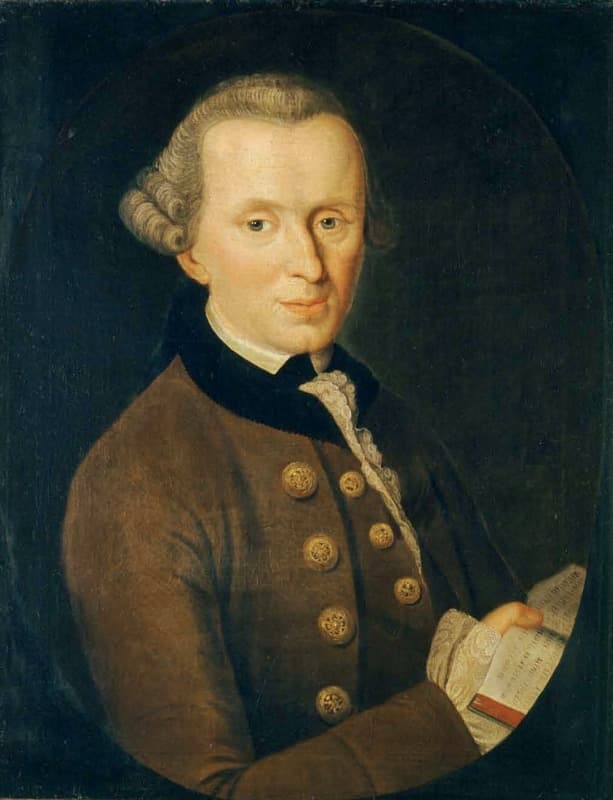
Critique of Pure Reason
Immanuel Kant
Kant built the system Schopenhauer dismantles and rebuilds: start here to understand what Schopenhauer is arguing against.
£1.99
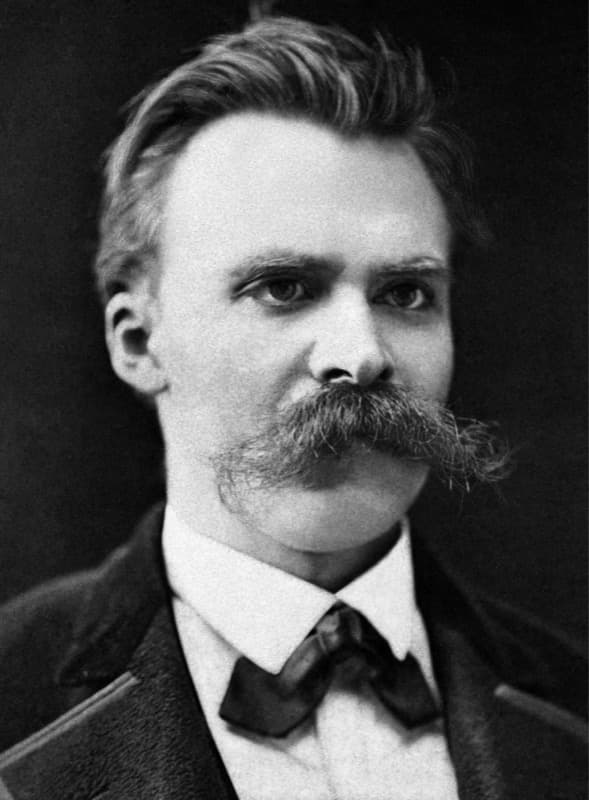
The Birth of Tragedy
Friedrich Nietzsche
Nietzsche starts as Schopenhauer's disciple and ends as his opponent: the will becomes the will to power and pessimism becomes affirmation.
£1.99
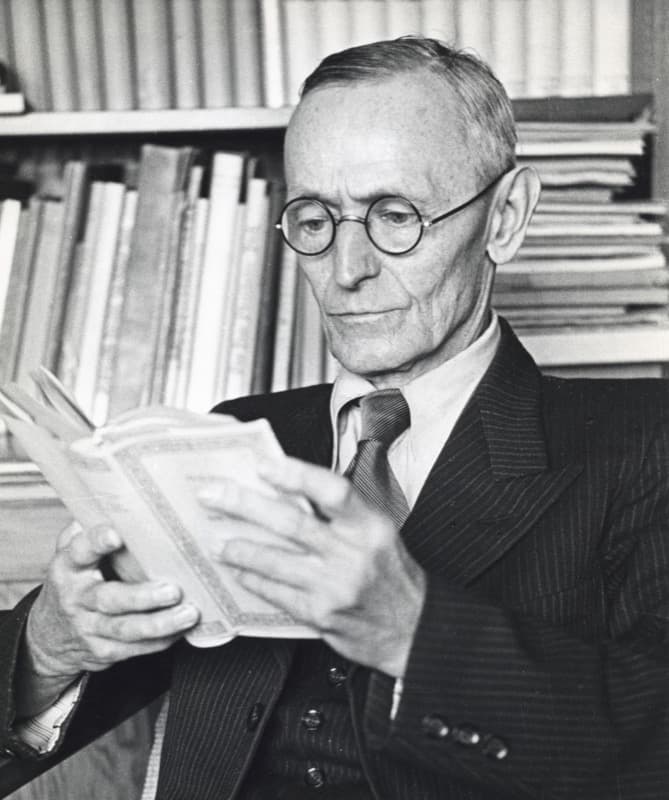
Siddhartha
Hermann Hesse
Hesse dramatises the same renunciation Schopenhauer prescribes, and the river teaches what the philosopher argues.
£1.99
About the book
Get the thing you wanted, and watch what follows: the ache stops for a breath, emptiness fills its place, and soon you are wanting again. Schopenhauer built a metaphysics from that deflation. Behind Kant's unknowable thing-in-itself he set the Will, a blind, goalless striving that drives the seedling toward light and the body toward its next desire, known most nakedly from inside as a hunger that never rests. Since the Will wants only more wanting, satisfaction stays brief, and life tips between the pain of lack and the boredom of having. The pessimism is total and, strangely, a relief, because at last a philosopher names the thing actually felt. He leaves three doors ajar: pity, which knows the stranger's suffering and one's own as a single grief; the saint's refusal to want; and, highest of these, art, where the self dissolves into pure looking and the Will goes silent, music above all, the art that copies not the world but the Will itself. A diagnosis you recognize in the body, page by page, its gloom, in the end, a mercy.