
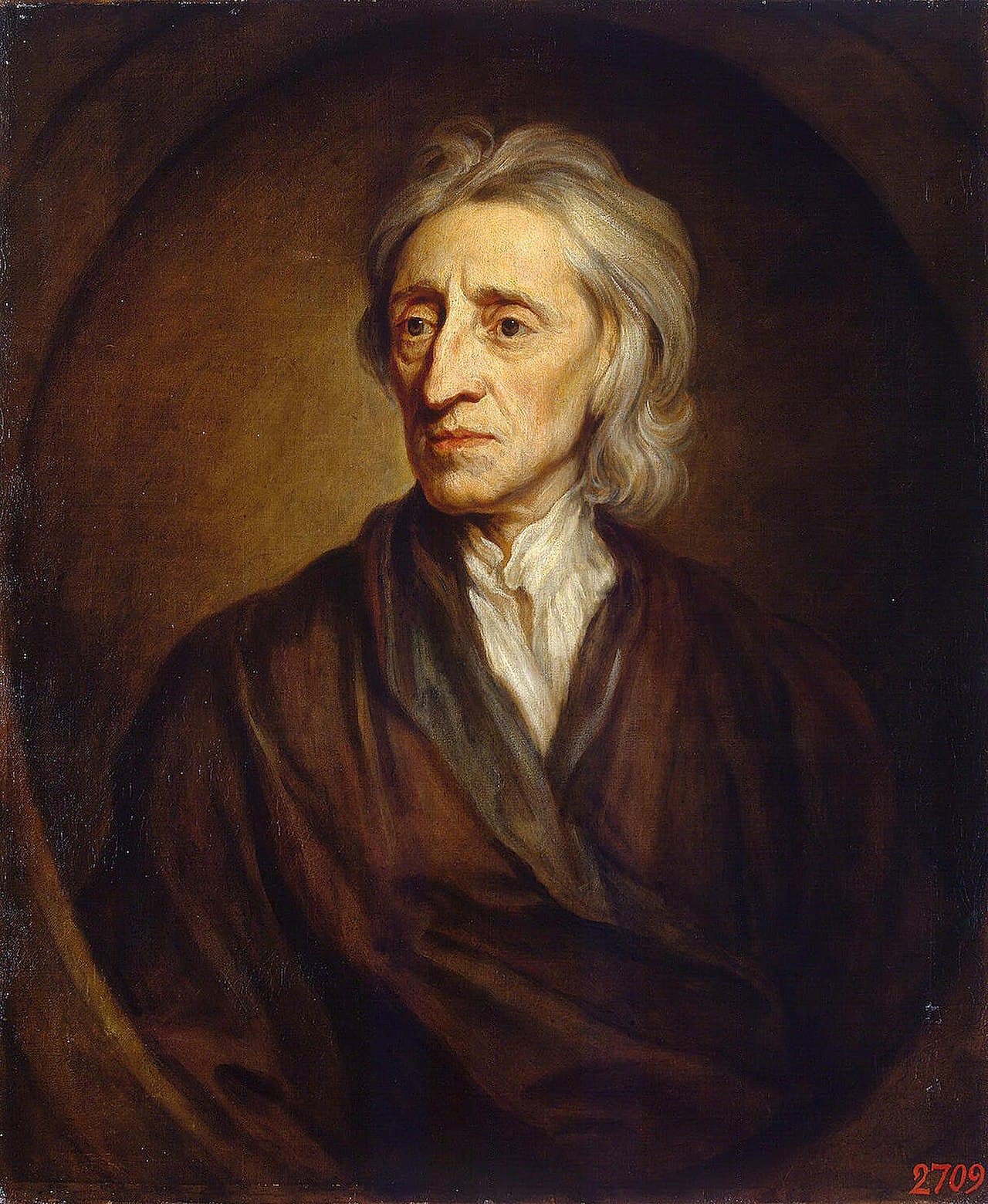
In the Library
Two Treatises of Government
John Locke, 1689
- Form
- Form Philosophy
- Difficulty
- Difficulty Moderate
- Reading time
- Reading time 7 hours
- Chapters
- Chapters 2
- Length
- Length 100k words
£1.99
Read in the app, yours for good. Not yet by post.
The book unlocks on your account as soon as you buy it, so the 14-day right to cancel ends once it is unlocked.
The state of nature has a law of nature to govern it, which obliges everyone, and reason, which is that law, teaches all mankind.
What buying means
- Yours for good, on every iPhone you sign in to.
- Read in the app’s own reader, with the original beside the translation where there is one.
- Downloaded, so it reads with no signal.
- The same price as in the app. Folio already opens every book on this shelf; buying keeps this one after Folio ends. A refund takes it back.
If you like this, try
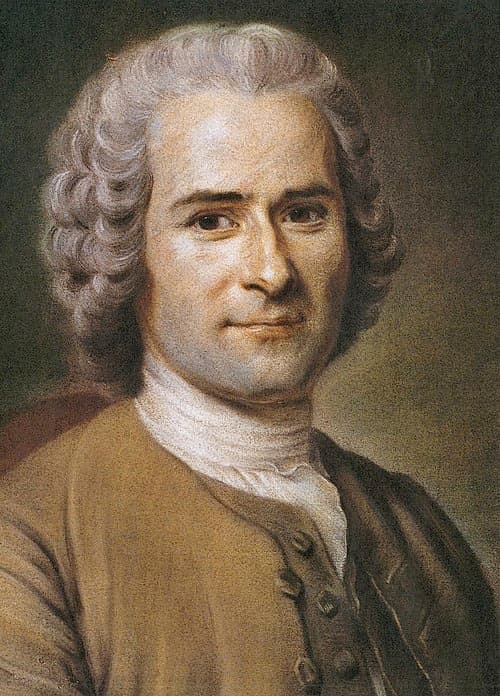
The Social Contract
Jean-Jacques Rousseau
Rousseau picks up Locke's idea of consent and rebuilds the state from scratch, and the two treatises are the bookends of Enlightenment political thought.
£1.99
Common Sense
Thomas Paine
Paine turns Locke's philosophy into a pamphlet that starts a revolution: the theory made action.
£1.99
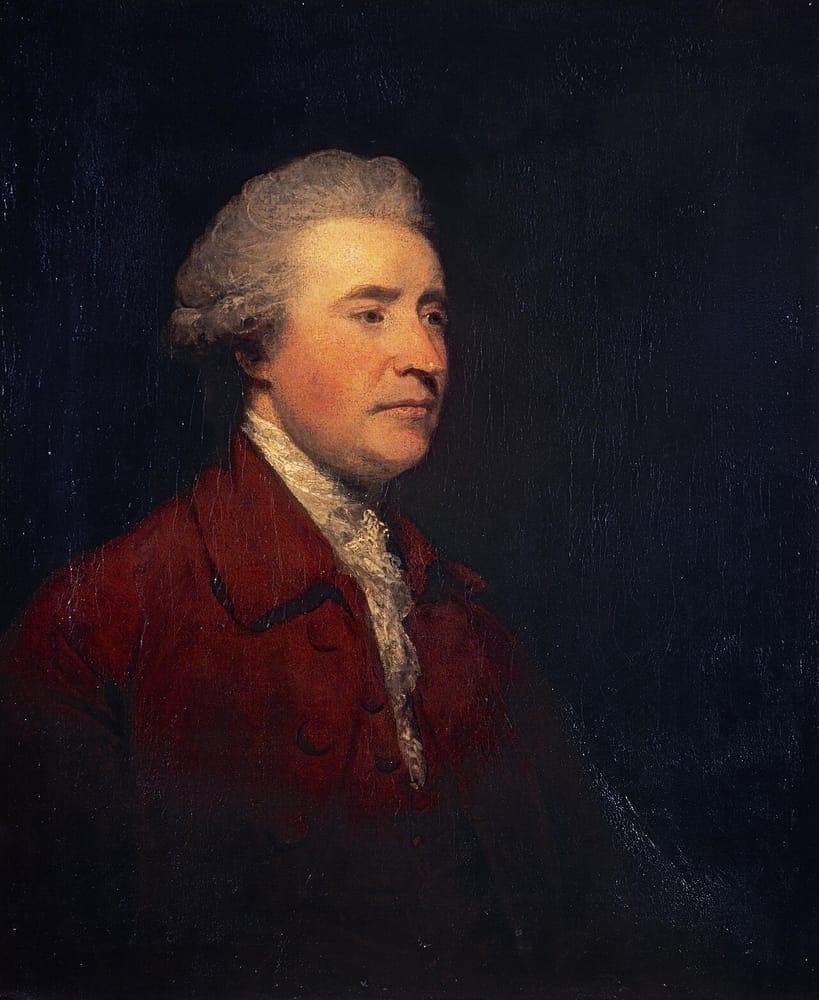
Reflections on the Revolution in France
Edmund Burke
Burke wrote the great rebuttal to Locke's optimism about revolution, and the argument between them still defines left and right.
£1.99

About the book
Before Locke, the question of why anyone should obey a king had a settled answer: God placed him there, and authority ran downhill from heaven to Adam to crown. The First Treatise takes that doctrine, in Robert Filmer's confident phrasing, and pulls it apart joint by joint. But the demolition only clears the ground. What Locke builds on it in the Second Treatise is one of the boldest claims any Englishman has set in print: that power runs the other way, upward, from people who entered the world already holding their lives, their liberty, their property, and who lend a government only as much authority as it takes to guard those things. Break the trust and the loan is called in. A people may dissolve a government that turns on them, not as rebels but as creditors. Read it and you are reading the words Jefferson would borrow, almost unchanged, when thirteen colonies decided their king had broken the trust and the loan was theirs to call in.